

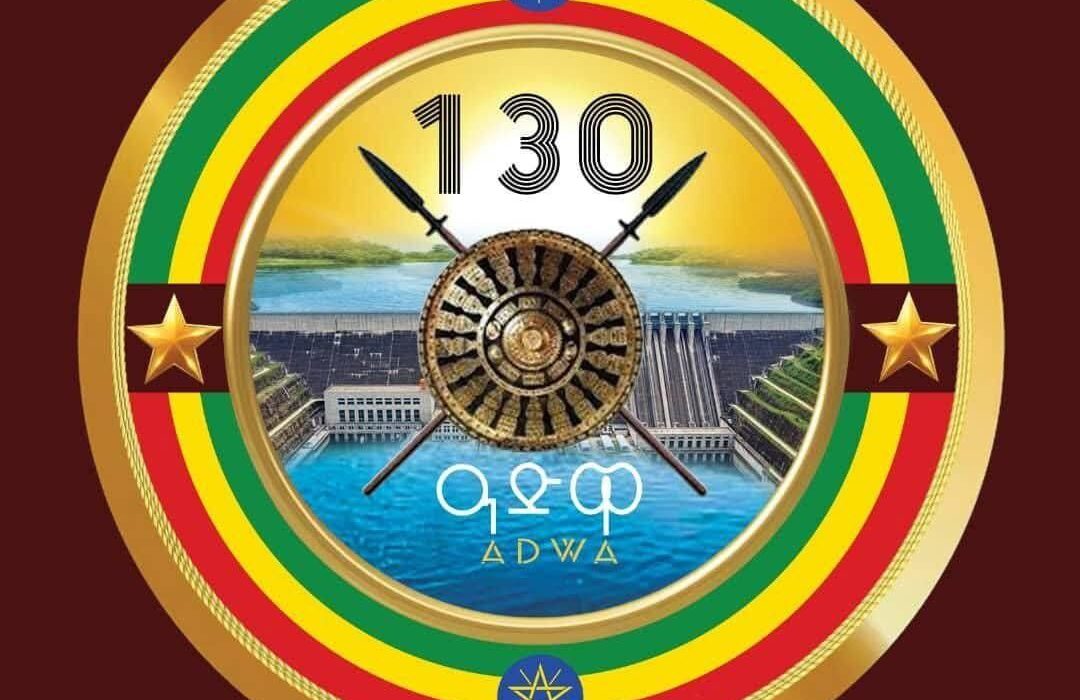
130 years ago, on March 01, at the Battle of Adwa, Ethiopia achieved a historic victory that shook the foundations of colonial ambition in Africa.
At the Battle of Adwa, Ethiopian forces defeated the invading Italian army and preserved their nation’s sovereignty. At a time when much of Africa was being divided among European powers, Adwa became a powerful symbol of resistance, unity, and African dignity.
The victory of Adwa stands as a timeless beacon of hope for black liberty and resilience. Adwa defied the Motto of the ‘‘scramble for Africa’’, standing as a strong testament that African nations could resist colonialism and reclaim their sovereignty.
The victory of Adwa is a crucial phenomenon in the history of Africa. Adwa symbolises the continent’s determined resistance against colonialism and foreshadowed the rise of Pan-Africanism, inspiring generations of African leaders and movements to pursue unity, self-determination, and collective progress.
The echoes of Adwa did not remain within Ethiopia’s borders. They travelled across the continent and beyond, inspiring generations of Africans who longed for freedom. In West Africa, particularly in Ghana (the then Gold Coast), Adwa stood as proof that colonial rule was not invincible. It showed that unity, strategic leadership, and national pride could overcome even the most powerful empires.
This hugely inspired Ghanaians to stand solid and fight for their freedom in a way that led Ghana to be a pioneer in the struggle for Africa’s independence and the pan-African Movement.
Ghana’s first president, Dr. Kwame Nkrumah, and other pan-African activists drew immense inspiration from Ethiopia’s victory over the invaders at Adwa in preserving independence. Ghana was the first sub-Saharan African country to denounce colonial rule and get free. That was a living witness that the spirit of Adwa was alive. Nkrumah believed deeply in Pan-African unity, a vision that resonated with Ethiopia’s long-standing independence.
Ghana’s independence was not just a national achievement; it was a continental turning point, much like Adwa had been in 1896. Ghana became the first country to adopt a green, yellow, and red coloured flag upon its independence, which directly honours the legacy of Adwa.
Both Ethiopia and Ghana became symbols of African possibility. Ethiopia represented resistance during the height of colonial expansion, while Ghana represented the dawn of a new era of self-governance. The psychological impact of Adwa helped nurture the confidence that independence movements needed. It reminded Africans that their history was not defined by defeat, but by resilience.
Today, the story of Adwa continues to inspire conversations about unity and identity across Africa. Its legacy connects Addis Ababa to Accra, reminding us that the struggle for freedom in one corner of the continent strengthens hope in another.
The echoes of Adwa through time are not merely memories of a battlefield victory. They are reminders that courage can reshape history, that unity can defeat oppression, and that Africa’s past is rich with triumphs that continue to guide its future.
While the victory of Adwa is a profound source of pride and resilience for all black people worldwide, particularly in Africa, it should be celebrated and remembered as it truly deserves.
Source: Ethiopia Embassy, Accra
Related Posts