
This policy brief by IPPG argues that Ghana’s escalating illegal small-scale mining crisis, popularly known as galamsey, has become a defining measure of President John Dramani Mahama’s determination to uphold environmental governance, institutional accountability, and political integrity. Having campaigned on strong anti-galamsey promises, the administration now faces the urgent challenge of transforming public expectations into visible and sustainable policy outcomes.
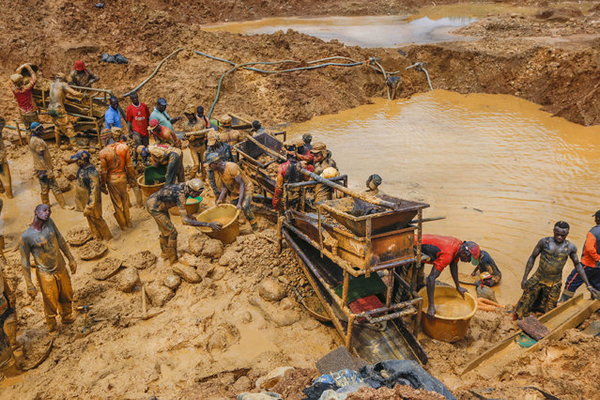
The analysis reveals that environmental devastation has reached critical levels. Forest reserves continue to diminish, rivers such as the Pra, Ankobra, Offin, and Birim are heavily contaminated with mercury, and agricultural productivity in mining zones has fallen sharply. These trends threaten food security, biodiversity, and public health, turning what was once a localized issue into a nationwide ecological emergency requiring decisive and coordinated action.
At the center of national debate is whether declaring a state of emergency under Article 31 of the 1992 Constitution would offer an effective short-term solution. Proponents believe such extraordinary powers are necessary to halt environmental collapse, while opponents warn that militarized enforcement could violate civil liberties, intensify community tensions, and fail to address deeper causes such as corruption, unemployment, and weak institutional capacity.
The brief calls for a balanced and phased response that integrates immediate containment with long-term reform. Recommended measures include formalizing small-scale mining, creating sustainable livelihood programs, enhancing regulatory oversight, promoting agricultural revitalization, and ensuring equitable distribution of mining revenues.
Ultimately, IPPG emphasizes that Ghana’s ability to overcome the galamsey crisis depends on leadership that combines firmness with fairness. The Mahama administration’s approach will not only define its environmental legacy but also determine public trust in the nation’s governance and commitment to sustainable development.
Related Posts