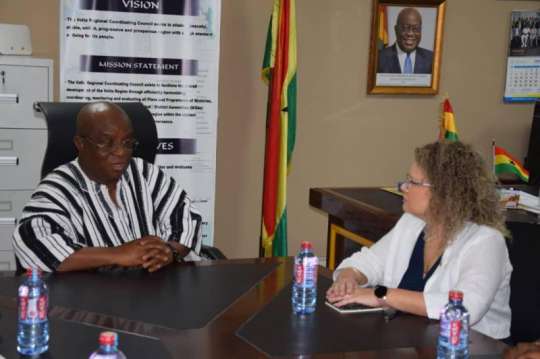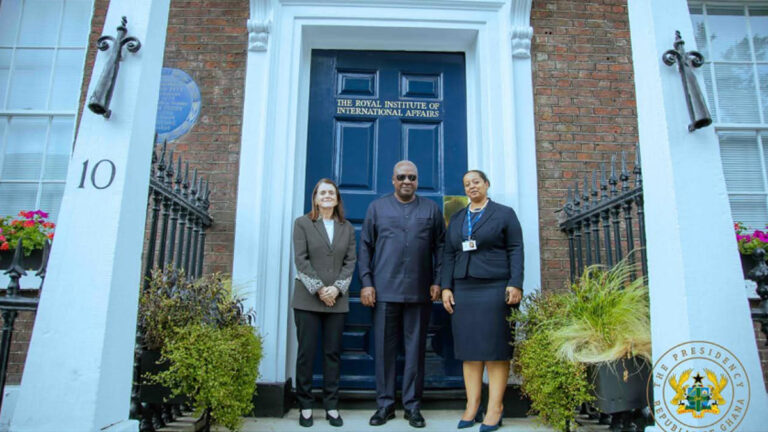


The United Kingdom and Ghana have signed a landmark Memorandum of Understanding (MoU) under the Forest Governance, Markets and Climate (FGMC) programme, reinforcing their shared commitment to protecting forests, strengthening governance, and supporting forest-dependent communities.
The agreement comes at a critical time for Ghana’s forests, which are central to biodiversity conservation, water security, livelihoods, and global climate stability. According to the Food and Agriculture Organization, Ghana has approximately 8 million hectares of forest, covering about one-third of the country, with 2.6 million hectares dedicated to timber production. About half of Ghana’s timber output is exported, making forest governance not only an environmental concern but a major economic issue.
Yet Ghana’s forests face mounting pressure from illegal mining and logging, as well as agricultural expansion. Data from Global Forest Watch indicate that about 14% of Ghana’s forests have been lost over the past 25 years. While forestry was once the primary driver of deforestation, the dominant cause today is agricultural clearance, particularly for commodity crops such as cocoa, of which Ghana is the world’s second-largest exporter.
Despite these challenges, Ghana has emerged as a continental leader in sustainable forest management and timber trade. It became the first African country to achieve Forest Law Enforcement, Governance and Trade (FLEGT) licensing, following a 16-year negotiation process with the European Commission. The licence certifies that all Ghanaian timber exported to Europe is legally sourced, sustainably harvested, and produced with the consent of local communities. With this status, Ghanaian timber can enter European markets without additional legality checks, giving the country fast-lane access to the EU timber market.
The FLEGT regime has introduced strict controls on logging, limiting tree felling to designated areas and agreed volumes, banning operations in protected zones, biodiversity hotspots, steep slopes, and areas close to water bodies. Crucially, it has also shifted the balance toward community inclusion. Timber companies are now required to negotiate Social Responsibility Agreements (SRAs) with communities living within five kilometres of concessions and to reinvest in local development. To date, more than 100 SRAs have been concluded, ensuring that communities receive royalties and tangible benefits from forest resources.
Building on this foundation, the FGMC MoU sets the framework for cooperation over the next five years. The programme will strengthen legality assurance systems, improve enforcement, and promote inclusive forest governance. It also seeks to address governance failures at both national and international levels, curb deforestation, restore degraded lands and ecosystems, and sustain livelihoods in developing countries. Drawing from earlier global initiatives, FGMC expands its scope to confront emerging threats such as illegal mining and to encourage climate strategies that place forests at the centre of mitigation and adaptation efforts.
The MoU also opens new opportunities for Ghanaian timber in UK markets and supports broader international ambitions through initiatives such as the Broader Market Recognition Coalition, which aims to reward countries that demonstrate strong forest governance with improved market access.
The agreement takes on added significance as Europe prepares to implement the EU Deforestation Regulation (EUDR), which will require importers to prove that commodities such as cocoa are produced legally and without causing deforestation. While the regulation’s rollout has faced delays, Ghana’s progress under FLEGT positions it ahead of many peers, offering reassurance to buyers and investors seeking compliant and sustainable supply chains.
Ultimately, the UK–Ghana FGMC partnership underscores a shared recognition that forest protection is not only about trees, but about people, markets, and long-term economic resilience. By aligning environmental stewardship with governance reform and community benefit, the programme aims to ensure that Ghana’s forests remain a source of prosperity, climate security, and sustainable development for generations to come.
Related Posts