
The United Kingdom is facing renewed diplomatic pressure to support a landmark United Nations resolution seeking to formally declare the Transatlantic Slave Trade as one of the gravest crimes against humanity.
As a former colonial power with a significant role in the Transatlantic Slave Trade, Britain derived substantial economic benefits from enslaved labour, generating wealth that helped finance its industrialisation, banking institutions, and infrastructure development, thereby embedding slavery-derived capital into the foundations of the modern British economy.
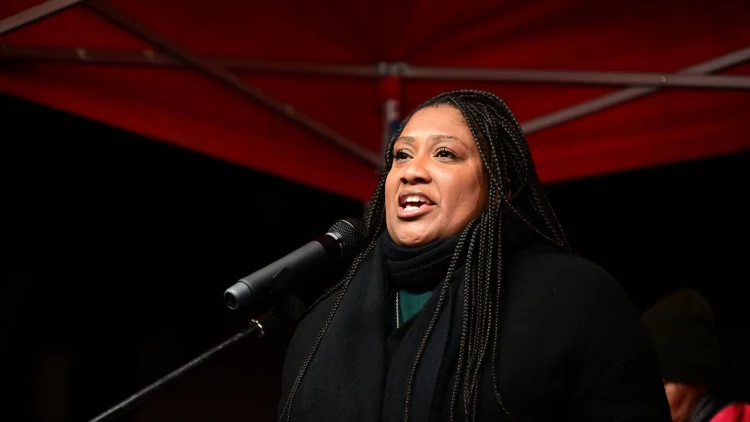
The call follows a formal letter dated March 19, 2026, in which the Chair of the All-Party Parliamentary Group on Afrikan Reparations, Bell Ribeiro-Addy, urged Secretary of State for Foreign and Commonwealth Affairs of the United Kingdom, Yvette Cooper to clarify the government’s position ahead of a crucial vote at the United Nations General Assembly.
The appeal comes as Ghana’s president, John Dramani Mahama prepares to table the resolution on March 25, seeking global recognition of the Transatlantic Slave Trade as the gravest crime against humanity under international law.
In her letter, Ribeiro-Addy highlighted the enduring global impact of slavery, describing it as a system that reshaped the world economically, politically, and socially while generating immense wealth for a small number of nations at the expense of millions of Africans.
“The chattel enslavement of African peoples was not a tragedy confined to its time. It was a structural event that reconfigured the world economically, ecologically, legally, politically and racially,” she stated, noting that its legacy continues to shape modern inequalities across the globe.
She indicated that the proposed resolution, titled “Declaration of the Trafficking of Enslaved Africans and Racialised Chattel Enslavement of Africans as the Gravest Crime Against Humanity,” which will be considered on the International Day of Remembrance of the Victims of Slavery and the Transatlantic Slave Trade, would be consequential, stressing that chattel enslavement was not merely a tragedy confined to its era but one that created lasting ripples of systemic injustice and inequality.
She noted that while enslaved Africans suffered generational harm, slave-owning nations accumulated immense wealth from what she described as the “first global industrial enterprise.”
According to Ribeiro-Addy, adoption of the resolution would mark the first comprehensive United Nations framework addressing both enslavement and the transatlantic slave trade, while laying the foundation for broader discussions on reparatory justice, accountability, and global reconciliation.
“Its adoption will lay the foundation for justice, reconciliation and meaningful engagement on reparatory justice, accountability and healing,” she added.
Ribeiro-Addy also noted that the resolution has already secured endorsement from the African Union and Caribbean nations, reflecting growing international consensus on addressing historical injustices and their lasting consequences.
She further stressed the United Kingdom’s historical involvement in the transatlantic slave trade.
“As a nation with historic involvement in the Transatlantic Slave Trade, it is vital that the UK supports this resolution and begins to make amends for the suffering caused,” she stated.
Story by: Hussein Habibata Maltiti.
Related Posts