
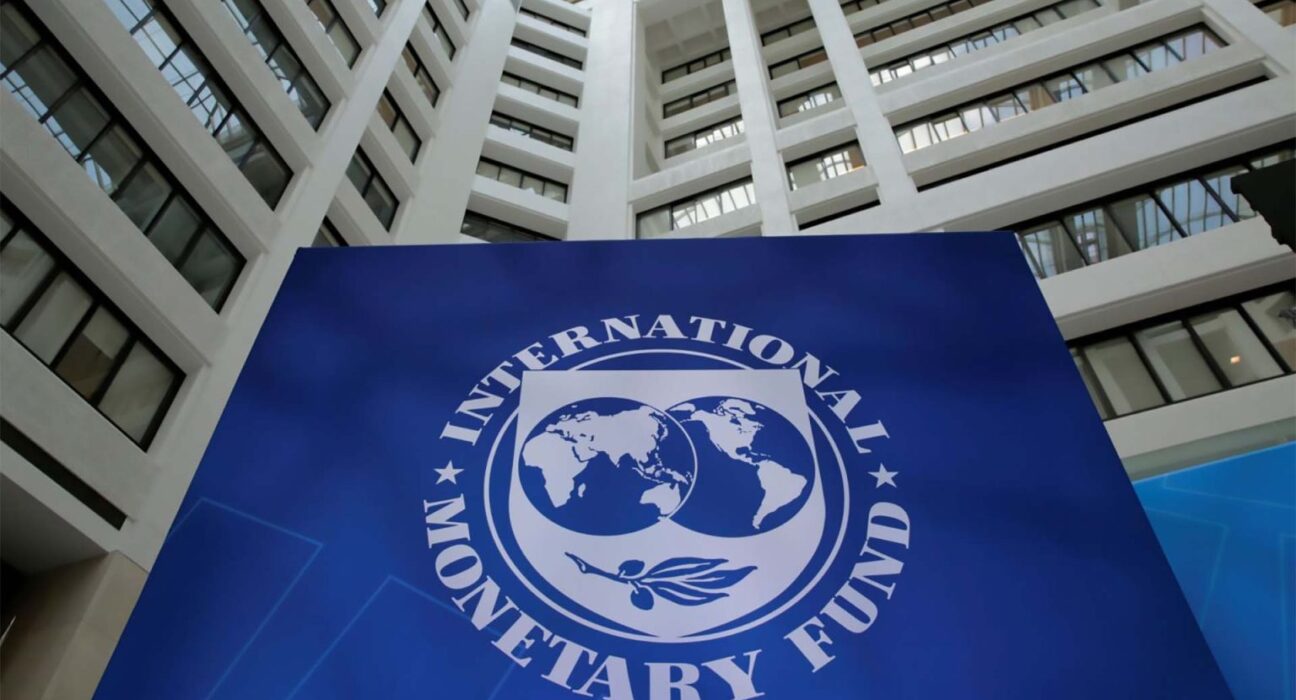
Ghana’s Ministry of Finance has announced the conclusion of its three-year Extended Credit Facility (ECF) programme with the International Monetary Fund (IMF), transitioning to a non-financing Policy Coordination Instrument (PCI) to sustain ongoing economic reforms.
In a statement signed by the Minister of Government Communications, Felix Kwakye Ofosu, the government noted that the conclusion of the programme represents a restoration of macroeconomic stability and debt sustainability ahead of the original timeline.
The statement further indicated that claims suggesting the programme had derailed are inconsistent with the IMF’s assessment following the third review in December 2024, during which all quantitative performance criteria and indicative targets were met, paving the way for a disbursement of about US$360 million.
The government attributed the programme’s outcomes to frontloaded fiscal consolidation measures, expenditure rationalisation, and structural reforms, which it said have contributed to a rebound in key economic indicators.
According to the statement, Ghana’s economic performance since 2025 has improved significantly, with public debt-to-GDP declining, inflation easing from 23.8% in December 2024 to about 3.8%, and international reserves rising from approximately US$9.1 billion to around US$14.5 billion by February 2026, equivalent to nearly six months of import cover.
It also highlighted an upgrade in the country’s credit outlook to “B” with a positive outlook, following previous downgrades during the economic crisis period.
The government emphasized that Ghana’s engagement with the IMF will now continue under the Policy Coordination Instrument (PCI), which does not involve financing but provides a framework for policy implementation, reform monitoring, and investor confidence building.
“For the avoidance of doubt, the PCI does not provide financial bailout support, but offers continuous capacity development, strengthens market confidence, and delivers a catalytic effect for new financing opportunities,” the statement added.
The government further stated that achieving an investment-grade rating would significantly reduce borrowing costs, attract long-term institutional investors, boost foreign direct investment, and unlock cheaper financing for infrastructure and private sector development.
Related Posts