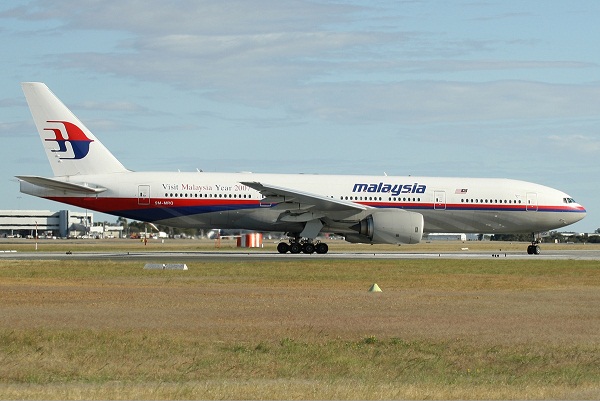

The towering gantry cranes at the Port of Tema move with quiet precision, lifting containers filled with cocoa products, timber, fruits and manufactured goods destined for markets across the world.
Some of these exports travel thousands of nautical miles to China, Africa’s largest trading partner.
The journey tells a broader story; one that has unfolded over two decades through roads, ports, railways and industrial parks built under China’s Belt and Road Initiative (BRI).
For years, the conversation around China-Africa cooperation centred on infrastructure. Highways connected cities, ports expanded trade capacity, and industrial parks promised new manufacturing opportunities.
Yet infrastructure alone does not guarantee industrialisation. Roads must lead somewhere. Ports require markets. Factories need buyers.
China’s decision to grant zero-tariff treatment on 100 per cent of tariff lines for exports from 53 African countries with diplomatic relations with Beijing has therefore introduced a new dimension to the partnership.
Rather than focusing solely on building the physical architecture of trade, the policy seeks to expand market access for African products entering one of the world’s largest consumer economies.
The development raises an important question for Africa:
Can preferential access to China’s vast market become the missing link between the infrastructure built under the Belt and Road Initiative and the industrial ambitions of the African Continental Free Trade Area (AfCFTA)?
The answer depends less on tariffs themselves than on Africa’s readiness to produce competitive goods, add value to its natural resources, and integrate regional supply chains.
A New Phase in China-Africa Trade
Beginning May 1, 2026, China implemented zero tariffs on all products covered under 100 per cent of tariff lines from 53 African countries maintaining diplomatic relations with Beijing, making it the first major economy to offer such comprehensive unilateral market access to African exporters.
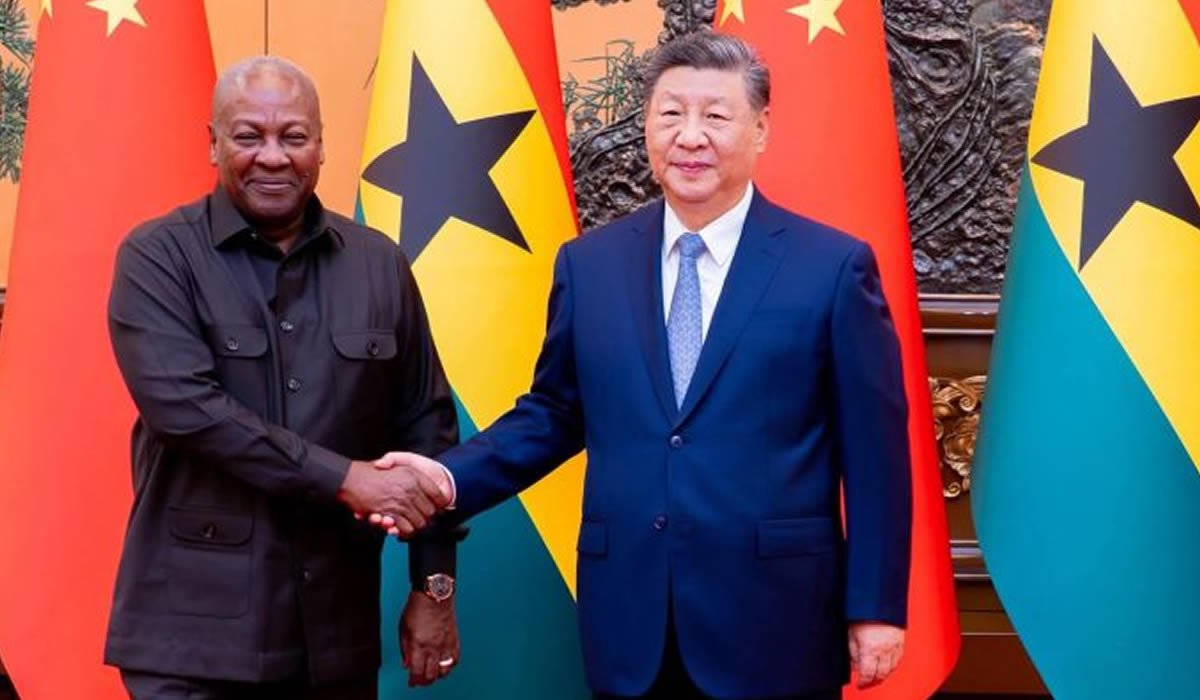
Addressing journalists, think tanks and business associations in Accra, the Chinese Ambassador to Ghana, Cong Song, described the initiative as a practical step towards implementing commitments under the Forum on China-Africa Cooperation (FOCAC) and advancing a China-Africa community with a shared future.
The Ambassador said the policy would reduce the cost of African products entering China, strengthen trade and investment, support industrialisation and agricultural modernisation, and encourage value addition by enabling more African products to be processed locally before export.
Mr Cong noted that Ghanaian products such as cocoa, cashew, shea butter, textiles and handicrafts stood to become more competitive in the Chinese market under the new arrangement.
The announcement represents a significant expansion of China’s earlier preferential trade arrangements, which were largely limited to least developed countries and covered only selected tariff lines.
For Ghana and many other African economies, the policy arrives at a time when governments are searching for new export markets, industrial growth and economic diversification.
More Than Removing Tariffs
The significance of the zero-tariff policy is underscored by the scale of China-Africa trade.
China has remained Africa’s largest trading partner for 16 consecutive years, with bilateral trade continuing to reach record highs. Ghana’s economic ties with China have also grown steadily.
According to the Chinese Embassy in Accra, bilateral trade between Ghana and China reached a record US$14.1 billion in 2025.
This represented a 19.3 per cent increase over the previous year, while China maintained its position as Ghana’s largest trading partner and a major source of foreign investment.
Yet much of Ghana’s exports to China continue to comprise raw materials and primary commodities, highlighting the need to shift towards higher-value, processed products if the country is to maximise the benefits of the new preferential market access.
Against this backdrop, the African Continental Free Trade Area offers an important framework for ensuring that increased access to the Chinese market translates into industrial development rather than simply higher volumes of raw commodity exports.
At first glance, eliminating import duties appears straightforward. Lower tariffs generally mean lower prices and greater competitiveness. Yet international trade is rarely that simple.
The Africa-China Centre for Policy and Advisory (ACCPA) cautions that zero tariffs alone do not automatically translate into higher exports.
According to its policy brief, exporters must still satisfy rules of origin requirements, obtain certificates of origin, comply with Chinese product standards, meet sanitary and phytosanitary (SPS) measures for agricultural products, and navigate certification and customs procedures.
Paul Frimpong, Executive Director of ACCPA, argues that the policy should be viewed not as a guarantee of export success but as a strategic opportunity requiring careful preparation.
He notes that while Ghana already exports gold, cocoa, timber and crude oil to China, the greater opportunity lies in expanding exports of value-added products such as cocoa derivatives, processed cashew, shea-based cosmetics, processed foods and light manufactured goods.
Without adequate preparation, he warns, the benefits of preferential access could remain largely untapped.
Where AfCFTA Fits In
The African Continental Free Trade Area was established with an ambitious objective: creating a single African market capable of driving industrialisation through regional manufacturing and integrated value chains.
For decades, African countries have exported raw commodities while importing finished products at much higher prices.
AfCFTA seeks to reverse that pattern.
Instead of producing in isolation, countries can source raw materials across borders, process them within Africa, and export higher-value finished products to global markets.
China’s zero-tariff policy has the potential to complement that vision.
Imagine cocoa grown in Ghana, processed into chocolate using regional packaging and ingredients sourced through AfCFTA value chains, before entering China duty-free.
Or cashew harvested in West Africa, processed locally into premium kernels and exported directly to Chinese consumers.
The opportunity extends beyond agriculture.
Textiles, garments, cosmetics, processed foods and household products could all benefit from stronger regional manufacturing supported by continental integration and preferential access to China’s market.
Rather than competing individually, African countries could increasingly compete collectively.
Beyond Raw Commodities
Although Africa is one of the world’s richest regions in natural resources, much of its wealth continues to leave the continent in raw form, with Ghana exporting cocoa beans instead of chocolate, timber instead of furniture, and shea nuts that are later processed elsewhere and sold back as finished cosmetics.
China’s zero-tariff policy presents an opportunity to change that narrative. Rather than simply increasing the volume of Africa’s exports, it has the potential to encourage greater value addition, stimulate investment in local manufacturing, and strengthen regional supply chains under AfCFTA.
If effectively harnessed, the policy could help shift Africa’s role in global trade; from a source of raw materials to a producer of competitive, value-added goods capable of meeting the demands of the Chinese market and beyond.
The ACCPA argues that China’s zero-tariff policy creates an incentive to change this model by encouraging processing before export.
It identifies cocoa derivatives, processed cashew, shea products, textiles, processed foods, fruits, cosmetics and light manufacturing among sectors with strong export potential in China, provided producers can satisfy quality and regulatory standards.
Kwasi Pratt Jnr, General Secretary of the Socialist Movement of Ghana and Managing Editor of The Insight newspaper, believes the evolution of China-Africa economic cooperation increasingly reflects a partnership that should create opportunities for industrial transformation rather than merely expanding commodity trade.
He further argues that Africa’s long-term gains will depend on building productive capacity that allows the continent to participate higher up the global value chain.
Roads Must Lead Somewhere
Across Africa, the Belt and Road Initiative has transformed the continent’s trade landscape through investments in roads, railways, ports and industrial parks.
While these projects have strengthened connectivity and improved the movement of goods, infrastructure alone cannot drive industrialisation. Roads must connect producers to markets, and ports must facilitate the export of competitive products.
China’s zero-tariff policy introduces that missing commercial dimension. By granting duty-free access to products from 53 African countries, it complements Belt and Road infrastructure with expanded market opportunities.
Ambassador Cong Song says the policy is designed to deepen trade and investment cooperation, attract technology and capital, promote local processing, and support Africa’s industrialisation.
For Ghana, the opportunity lies not in exporting more raw materials but in adding value to products such as cocoa, cashew, shea and timber before they reach international markets.
Combined with the African Continental Free Trade Area, the policy could help transform infrastructure from a means of moving goods into a platform for manufacturing, regional value chains and sustainable economic growth.
The Real Test: Readiness, Not Preferential Access
If the zero-tariff policy opens the door to the Chinese market, Ghanaian exporters must still possess the keys to enter. Those keys are quality, certification, competitiveness and compliance.
According to the ACCPA, exporters seeking to benefit from the initiative must first satisfy rules of origin requirements to prove their products originate from Ghana or have undergone substantial local transformation.
They must also obtain certificates of origin, comply with Chinese quality and safety regulations, meet sanitary and phytosanitary (SPS) requirements for agricultural products, and ensure proper packaging and labelling.
Failure to meet these conditions could result in products losing preferential treatment or being rejected altogether.
Paul Frimpong explains that these requirements demonstrate why zero tariffs should not be mistaken for automatic market access.
“The opportunity is real, but exporters must prepare for it,” he said during an engagement with the Chinese Ambassador, stressing that Ghana’s success will depend on strengthening compliance capacity, improving product quality and developing a better understanding of Chinese market requirements.
Beyond compliance, exporters also face practical challenges, including high transport costs, inadequate cold-chain infrastructure for perishable products, limited export financing, inconsistent product quality, weak integration into global supply chains and insufficient market intelligence.
Small and medium-sized enterprises (SMEs), which account for much of Ghana’s manufacturing sector, often struggle to meet international certification requirements without technical support.
These challenges suggest that preferential market access, while significant, is only one component of export competitiveness.
Turning Opportunity into Industrial Growth
Recognising these constraints, the Africa-China Centre for Policy and Advisory in its policy brief outlines a roadmap for helping Ghana convert the policy into tangible economic gains.
Among its recommendations are:
- The development of a dedicated National China Export Strategy focused on priority export sectors, product standards and market intelligence.
- Strengthening exporter readiness through training on rules of origin, certification and Chinese regulatory standards.
- Establishing a China-focused Export Desk to provide technical assistance.
- Facilitating participation in Chinese trade fairs and e-commerce platforms.
- Promoting value addition through industrial processing.
- Expanding export finance and encouraging joint ventures between Ghanaian and Chinese firms to support technology transfer and manufacturing partnerships.
For Frimpong, industrial upgrading should remain at the centre of Ghana’s response.
The objective, he argues, should not simply be to export more products but to export products with greater value, creating jobs, strengthening domestic industries and increasing export earnings.
That vision aligns closely with Ghana’s own industrialisation agenda and the broader aspirations of AfCFTA.
Infrastructure Meets Industrialisation
China’s engagement with Africa has often been viewed through the lens of infrastructure. Across the continent, Chinese-supported projects have improved transport connectivity, expanded energy generation and strengthened logistics networks.
Ambassador Cong Song says the zero-tariff policy now complements these investments by integrating trade with industrial development.
He argues that greater market access can attract investment, technology, equipment and management expertise, enabling more products to be processed within Africa before reaching Chinese consumers.
Such cooperation, he says, would support industrialisation, agricultural modernisation and more balanced China-Africa trade.
This evolution reflects a broader shift in the China-Africa partnership. Infrastructure creates the physical foundation for commerce. Trade creates demand. Industrialisation creates lasting economic transformation.
When these three elements work together, roads become more than transport corridors; they become channels for manufacturing, investment and employment.
Africa’s Bigger Opportunity
Beyond Ghana, the implications extend across the continent.
AfCFTA seeks to create a market of more than 1.4 billion people by reducing barriers to intra-African trade and encouraging regional value chains.
China’s zero-tariff policy could provide those emerging industries with access to another vast consumer market, creating incentives for African businesses to scale production and compete internationally.
A regional value chain could see cotton grown in one African country, spun into yarn in another, woven into fabric elsewhere, and tailored into finished garments before entering China under the zero-tariff arrangement.
Similarly, cocoa from Ghana could be processed into chocolate, shea transformed into premium skincare products, and cashew converted into packaged consumer goods, creating jobs and retaining more value within Africa.
Such outcomes would advance AfCFTA’s objective of shifting Africa away from dependence on raw commodity exports towards manufacturing-led growth.
At the same time, success will depend on ensuring that African industries become globally competitive rather than relying solely on preferential access.
Competitiveness ultimately rests on productivity, innovation, quality and efficient logistics.
A Partnership Shaped by Preparation
China’s zero-tariff policy comes at a time when Africa is seeking to redefine its place in global trade.
For decades, discussions about Africa’s development have centred on infrastructure deficits.
Today, the conversation is increasingly about industrial capacity, regional integration and participation in global value chains.
The Belt and Road Initiative has helped improve physical connectivity across many parts of the continent. AfCFTA provides the framework for building integrated African markets. China’s zero-tariff policy offers preferential access to one of the world’s largest economies.
Together, they create an opportunity that few would have imagined two decades ago.
Yet opportunity alone does not produce transformation. That depends on policy choices, institutional readiness, private sector investment, and the ability of African producers to compete on quality rather than preference.
As Kwasi Pratt Jnr observes, the real measure of Africa-China cooperation will not be the volume of goods shipped across oceans but the extent to which that cooperation contributes to Africa’s productive capacity, technological advancement and economic self-reliance.
The Road Ahead
Roads can connect countries, but markets create industries.
China’s decision to open its market through zero tariffs represents more than a trade concession; it offers Africa a strategic opportunity to connect infrastructure, industrialisation and regional integration in ways that could redefine the continent’s economic future.
Whether that opportunity becomes a catalyst for AfCFTA’s industrial ambitions, however, will depend not on preferential market access alone, but on Africa’s ability to transform raw materials into competitive products, meet international standards, strengthen regional value chains, and build industries capable of serving both continental and global markets.
For Ghana, and indeed Africa, the next chapter of the Belt and Road story may no longer be written only in concrete, steel and asphalt.
It may well be written in factories, innovation hubs, export corridors and value-added products that carry the label “Made in Africa” to markets around the world.
Source: GNA
Related Posts