
The World Bank says Ghana may not achieve the Sustainable Development Goal (SDG) on poverty reduction due to the recent global economic shocks.
He indicated that the global health pandemic (COVID-19), the Russian-Ukraine War, and the global economic recession had stalled the country’s efforts to reduce poverty by 2030 as over a quarter of Ghanaians earn less than $2.15 per day.
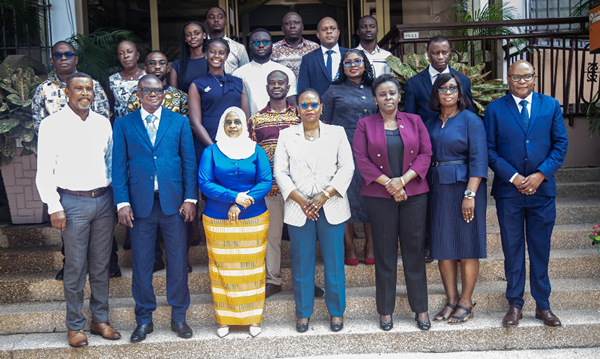
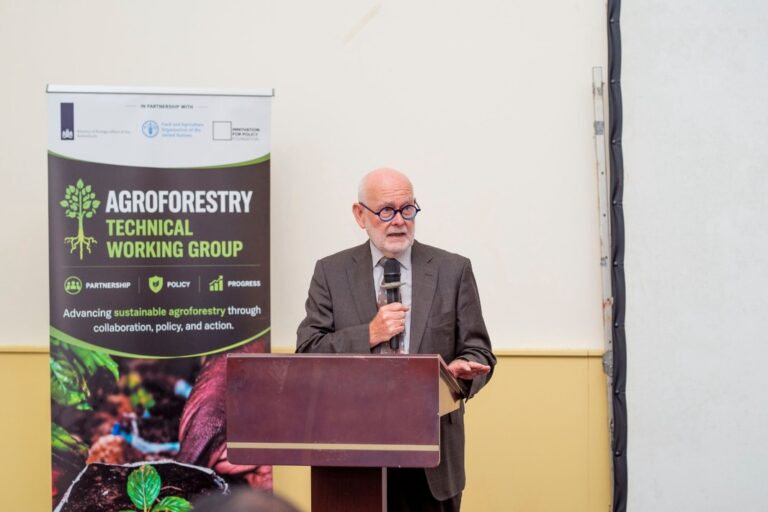
Mr Pierre Laporte, Country Director for the World Bank in Ghana, Liberia, and Sierra Leone, was speaking at the End Poverty Day programme, held at the premises of the bank’s office in Accra on the theme,” Delivering Growth through People for Better Jobs in Ghana.”
The day was marked at the office of the World Bank as it included activities like a panel discussion on macroeconomic factors contributing to unemployment, industry perspectives on job creation, and policy recommendations on job creation.
“In Ghana, the past year has been challenging as the economy entered difficult times just after the twin crises of the pandemic and Russia’s invasion of Ukraine, as Ghana was deeply hit as pre-existing fiscal vulnerabilities were further compounded by adverse global economic crises, and high inflation has worsened the poverty conditions,” he said.
Mr Laporte informed that domestic factors, particularly inflation, steep depreciation, and the country’s lack of access to the international market, further increased the poverty situation as food inflation eroded the purchasing power of Ghanaian households.
He also highlighted that incomes had not kept pace with inflation hikes, as it was expected that the economic woes might have pushed many Ghanaians into poverty.
He asked the Government to enact structural reforms to preserve long-term growth and build economic resilience through agriculture and food systems.
Paul David Elmaleh, Senior Economist at the World Bank, said macroeconomic conditions, including food inflation and a large budget deficit coupled with debt accumulation, had worsened poverty levels in Ghana.
Food inflation, for instance, had a dire impact on poverty, as 850 thousand people fell into poverty in 2022.
Emmanuel Awuni, a private sector consultant at the World Bank, said Ghana’s economic growth had been inconsistent with job creation.
He therefore called for reforms to adjust macroeconomic indicators in relation to the extent to which progress achieved could create jobs for the youth in Ghana.
Source: GNA
Related Posts