The World Health Organization warned Wednesday that Ebola’s arrival in the Ugandan capital highlighted the high risk of further spread of the deadly virus, calling on neighboring countries to boost their preparedness.
Since Uganda’s health ministry first declared the outbreak on September 20, the country has registered more than 150 confirmed and probable cases, including 64 deaths, WHO said.
And since the deadly disease spread to Kampala last week, 17 cases have been confirmed there, WHO chief Tedros Adhanom Ghebreyesus told reporters.
“Although these cases are linked to known clusters, the very fact that there are cases in a densely populated city underscores the very real risk of further transmission,” he said, speaking from WHO headquarters in Geneva.
There is a “very urgent need for increased readiness in districts and surrounding countries,” he warned.
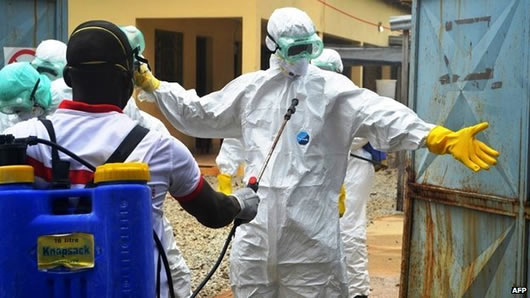
Ebola is spread through bodily fluids, with common symptoms being fever, vomiting, bleeding and diarrhea. It is fought through tracing, containing and quarantining.
Outbreaks are difficult to contain, especially in urban environments.
“Ebola in a complex, urban city like Kampala is not easy, and we have to do everything possible to pull every chain of transmission,” WHO incident manager Abdi Mahamud told reporters.
Tedros said the U.N. health agency had on Tuesday released an additional $5.7 million from its contingency fund for emergencies, in addition to the $5 million previously released to address the Uganda crisis.
WHO, he said, was working closely with the Ugandan government and partners to respond to the outbreak and was calling for “a strengthened global response and increased donor investment.”
Uganda’s last recorded fatality from a previous Ebola outbreak was in 2019.
The strain now circulating in Uganda is known as the Sudan Ebola virus, for which there is currently no vaccine, although there are several candidate vaccines heading toward clinical trials.
Source: voanews.com
Related Posts