
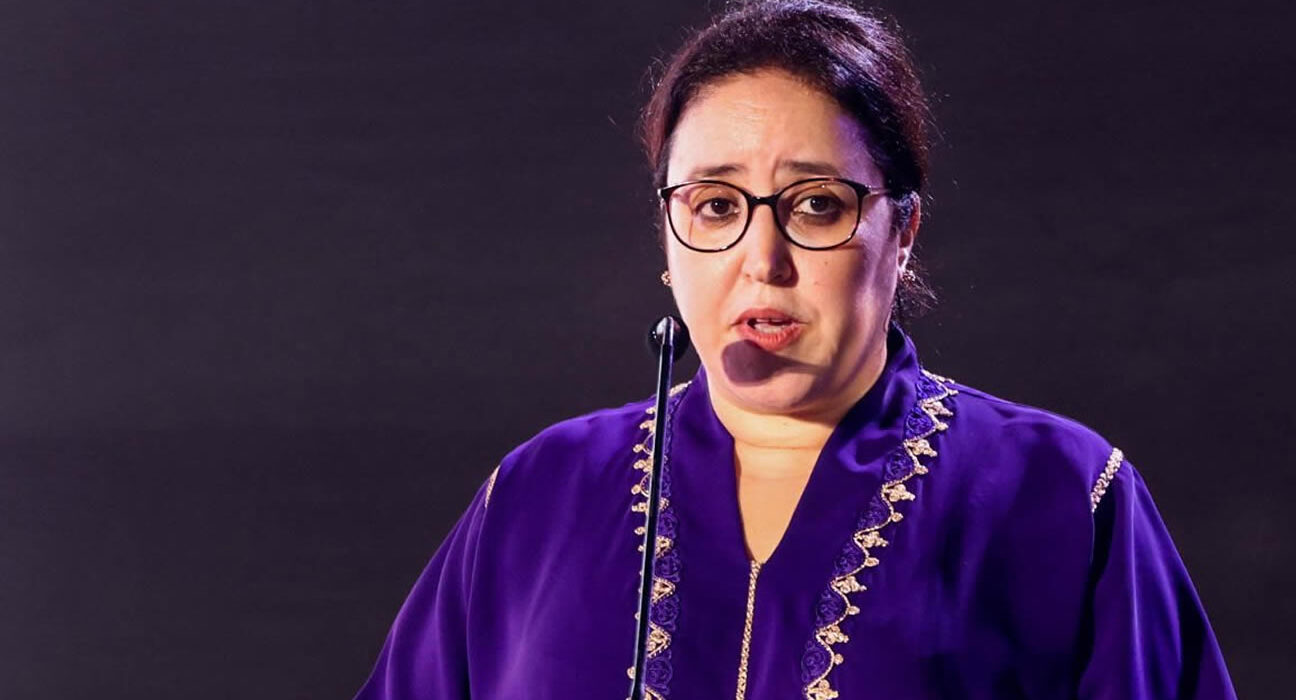
The Dean of the Diplomatic Corps and Ambassador of the Kingdom of Morocco to the Republic of Ghana, Imane Ouaadil, has commended the Mahama administration for its rigorous fiscal policies, which delivered a resilient and stable economy in 2025.
She described Ghana’s economic rebound as deserving of international recognition, underpinned by reform-oriented fiscal policies and targeted tax relief that stabilized the economy, reduced macroeconomic pressures, and strengthened the cedi’s performance in international markets.
“The international community has witnessed a year of profound stabilization since your inauguration in January 2025. By pairing rigorous fiscal reforms with targeted tax relief, your administration has successfully contained inflationary pressures and stabilized the national currency. These efforts have served as a catalyst for renewed market optimism,” Ambassador Ouaadil noted at the New Year Greetings at the Jubilee House on February 10, 2026.
She further highlighted the transformative impact of these policies across key sectors of strategic interest to the international community, including agriculture, manufacturing, services, and construction — sectors that she described as a testament to the effective governance of President Mahama. She applauded the government’s steadfast commitment to economic revitalization, social equity, and the systemic strengthening of state institutions.
In light of the economic rebound, which has created a favorable environment for international engagement, Ambassador Ouaadil affirmed the diplomatic community’s ongoing partnership with Ghana. She emphasized that a resilient economy not only fosters sustainable prosperity for Ghanaians but also strengthens confidence for foreign investment, reinforcing Ghana’s position as a reliable partner in regional and global trade, development, and diplomatic cooperation.
Ghana’s economy demonstrated remarkable resilience in 2025, underpinned by a return to fiscal discipline. By October 2025, the country achieved a primary surplus of 1.9 percent of GDP, tripling the initial target of 0.6 percent.
Pro-growth fiscal reforms, including major VAT reliefs such as the abolition of the COVID-19 Levy, reduction of VAT to 20 percent, restoration of VAT input deductions, raising the VAT threshold to GH¢750,000, and zero-rating textiles to 2028, contributed to stabilizing the economy and easing the cost of doing business. Additional measures, including the abolition of nuisance taxes such as the Betting Tax, Emission Tax, and e-Levy, further enhanced economic predictability and competitiveness.
The government also strengthened fiscal rules, amending the Public Financial Management Act to cap debt at 45 percent of GDP by 2034 and requiring a minimum primary surplus of 1.5 percent annually. Redirecting oil revenues, mining royalties, and allocations from the District Assemblies Common Fund helped sustain public investment while ensuring macroeconomic stability. These measures collectively restored market confidence and established a foundation for sustainable growth.
Investor confidence in Ghana’s economic management received a major boost, as Fitch, Moody’s, and S&P all upgraded the country’s credit ratings, the first triple upgrade in years. The external position of the economy also strengthened significantly: the trade balance posted a surplus of US$8.5 billion by the end of October 2025, up from US$2.8 billion a year earlier; the current account surplus widened to US$3.8 billion in the first three quarters, compared with US$0.6 billion in 2024; and gross international reserves rose to US$11.41 billion, covering 4.8 months of imports.
For the international community, Ghana’s economic rebound provides a predictable and stable environment for trade, investment, and development partnerships. Fiscal discipline and macroeconomic stability enhance confidence among foreign investors and diplomatic missions, facilitating bilateral and multilateral cooperation. By creating favorable conditions for business, investment, and people-to-people exchanges, Ghana positions itself as a reliable partner in regional and global economic diplomacy.
Related Posts