
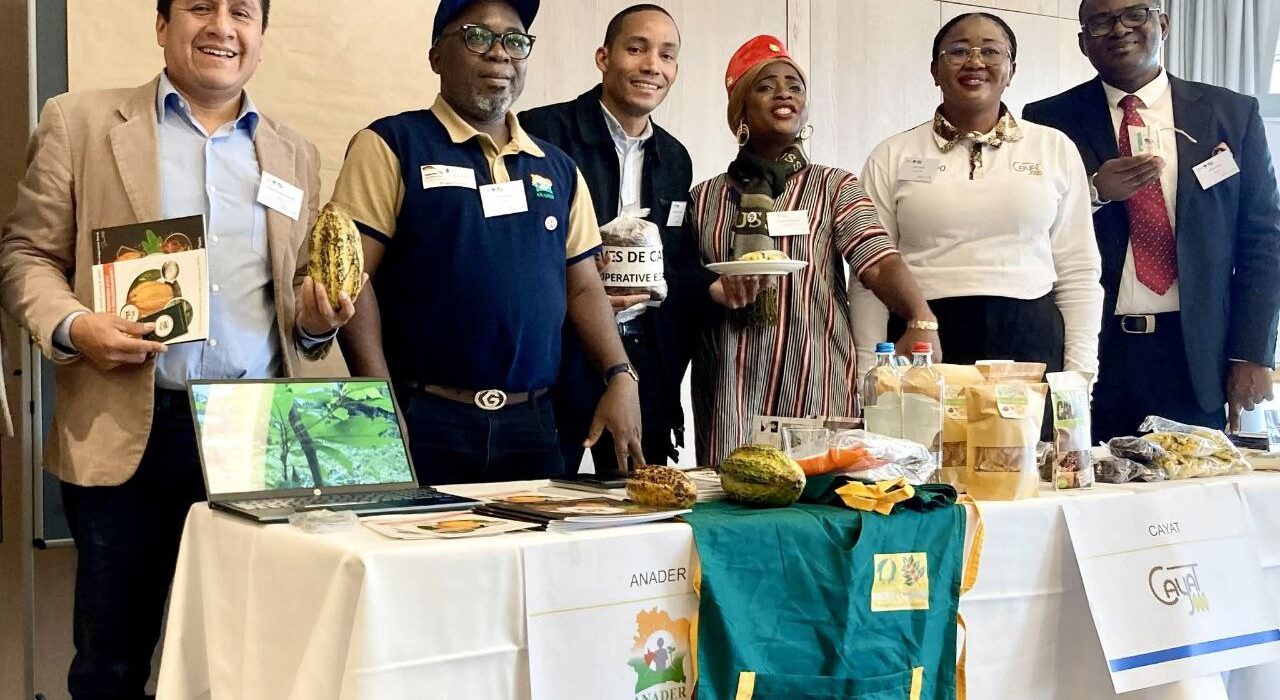
The Agri‑Business Facility for Africa (ABF), in partnership with sequa gGmbH through its Import Promotion Desk (IPD), has launched an Export Promotion Programme designed to support cocoa micro, small and medium enterprises (MSMEs) from African, Caribbean and Pacific (ACP) countries to access the European Union (EU) market.
The initiative will bring participating cocoa SMEs to ISM Cologne 2026, the world’s leading trade fair for sweets and snacks, scheduled from 31 January to 5 February 2026.
The EU maintains its position as the largest global importer of cocoa and cocoa products, with Europe accounting for around 58 per cent of the world’s cocoa bean imports in 2023. The broader European chocolate market was valued at EUR 47.3 billion in 2024, reflecting strong and growing demand for cocoa, especially certified, traceable and sustainable products. This demand underpins the importance of EU market access for producing countries.
Under the programme, participating SMEs will receive training on EU market entry requirements, certification standards, and export negotiation techniques. They will also benefit from coaching to strengthen product presentation and company communications, opportunities for peer learning with other cocoa businesses, and organised B2B meetings with European buyers to facilitate direct trade engagements.
The initiative is aimed at helping smaller producers overcome challenges such as limited export experience, certification barriers, and low visibility with European buyers.
Europe’s demand for certified cocoa is particularly high, with reported figures showing that 75 per cent of Rainforest Alliance certified cocoa was imported by Europe in 2023, led by key importers including the Netherlands, France, the United Kingdom and Switzerland. The Netherlands, in particular, serves as the largest global hub for certified cocoa, with a significant share of the world’s Rainforest Alliance cocoa imports transiting through its ports before re‑export.
The Export Promotion Programme forms part of the joint action titled “Business Support Facility for Resilient Agricultural Value Chains,” co‑funded by the European Union under the Samoa Agreement, the Organisation of African, Caribbean and Pacific States (OACPS), and the German Federal Ministry for Economic Cooperation and Development (BMZ), and implemented by Deutsche Gesellschaft für Internationale Zusammenarbeit (GIZ) GmbH.
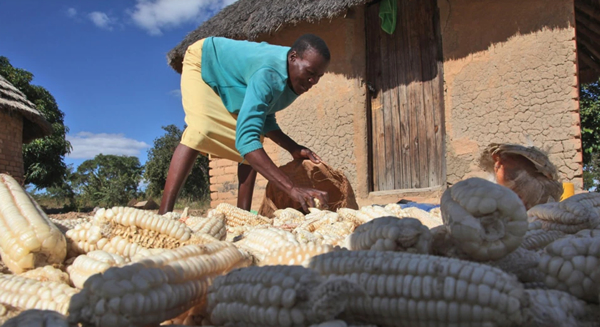
The broader joint action, launched in Abidjan in April 2023, seeks to strengthen value chain actors across multiple agricultural sectors, including cocoa, maize and livestock, while promoting investment and climate‑resilient practices
Related Posts