

Germany has pledged to give special focus to Africa’s pressing issues and amplify the continent’s voice when it assumes its role as a non-permanent member of the United Nations Security Council (UNSC) for 2027–2028.
The announcement comes amid persistent calls from African countries and diplomats for greater representation on the UNSC, including a push for a permanent African seat, reflecting long-standing concerns over the continent’s exclusion from high-level decision-making at the United Nations.
Germany emphasized its committed cooperation and longstanding support to Africa through various frameworks, strengthening its pledge to represent African interests on the Security Council.
Among its notable contributions is backing the African Union’s Peace and Security Architecture (APSA), supporting early-warning systems, promoting civil society inclusion, and advancing human rights in conflict-affected regions across the continent.
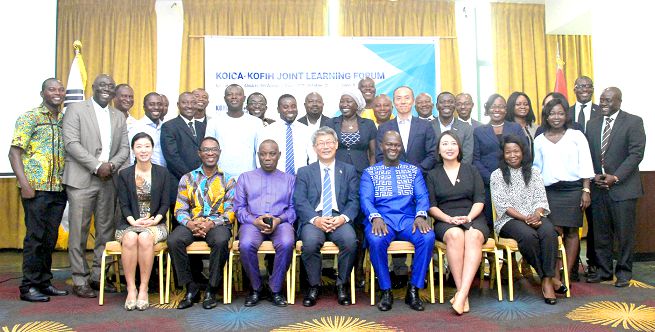
The German government also highlighted its support for civil society organizations in Ghana and globally, defending human rights defenders and advancing gender-sensitive, inclusion-focused programs aimed at protecting vulnerable groups and promoting equality under its 2023–2034 Human Rights Action Plan.
On the multilateral front, Germany noted its role as one of the largest donors to the Office of the United Nations High Commissioner for Human Rights (OHCHR), as well as its longstanding contributions to UN humanitarian aid, development cooperation, and peacekeeping operations.
Germany’s priorities at the UNSC will focus on human rights, accountability, and inclusive peacebuilding, addressing both government-level challenges and the crucial role of civil society in governance and economic development.
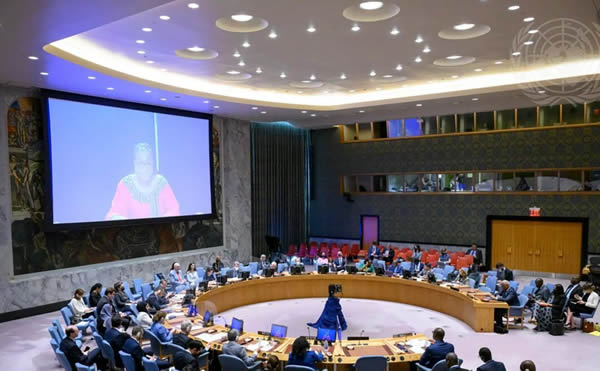
The UN Security Council is a pivotal international body where high-level decisions are made, including authorizing peacekeeping operations, imposing international sanctions, and determining responses to global conflicts.
While permanent members wield veto powers, non-permanent members, like Germany in 2027–2028, play a vital role in shaping dialogue and influencing decisions.
African nations have long advocated for greater representation, calling for two permanent seats and two additional non-permanent seats on the Council—a push supported by UN Secretary-General António Guterres.
The five permanent members of the UNSC, China, France, Russia, the UK, and the US, have faced criticism for reflecting the global power dynamics that existed at the end of World War II, leaving Africa and other regions underrepresented in critical international decision-making. Germany’s upcoming role presents an opportunity to elevate Africa’s concerns and ensure that the continent’s voice is heard on the global stage
Related Posts