
Ghana’s Ministry of Defence has unveiled a series of comprehensive security measures aimed at fortifying the nation’s borders and preempting potential terrorist attacks, following the tragic Titao terrorist attack on Ghanaian tomato traders that claimed eight lives and left several injured.
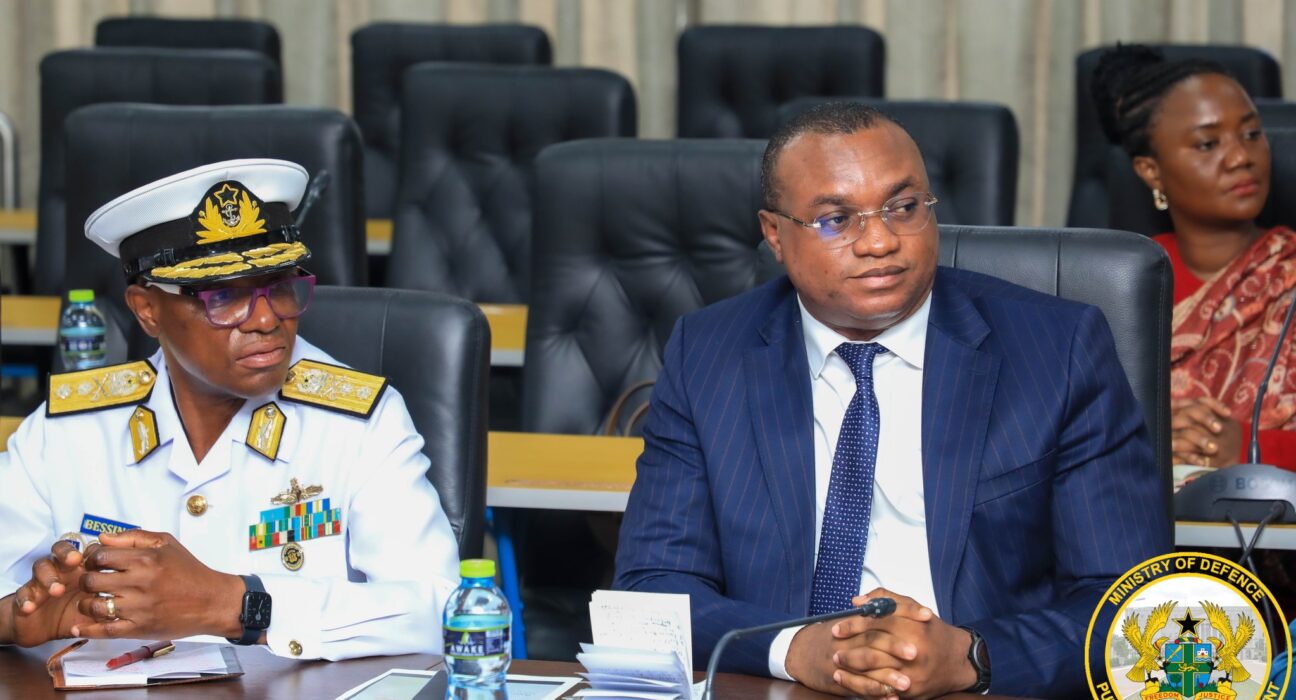
The measures were presented to the Parliamentary Joint Committee on Defence, Interior, Foreign Affairs, and National Security by a high-level delegation from the Ministry of Defence. Their presentation outlined a strategic, multi-layered approach to securing Ghana’s borders and protecting its citizens at home and abroad.
A central feature of the plan is the establishment of Forward Operating Bases (FOBs) in Jirapa and Hamile, designed to position military personnel closer to the northern border. These bases will allow for rapid deployment in the event of a threat, enhancing surveillance and response capacity in regions identified as security hotspots.
The bases are equipped to monitor cross-border movements effectively and respond swiftly to incidents, while also strengthening peacekeeping efforts in areas of potential ethnic tension, particularly between the Usasi and Mamprusi communities.
Another pillar of the strategy is enhanced cross-border cooperation with neighboring countries, including Burkina Faso. The Ministry revealed ongoing collaboration through joint training exercises aimed at improving escort duties, patrol coordination, and intelligence sharing. Such cooperation ensures Ghanaian citizens and traders operating in high-risk border zones receive timely protection, while fostering regional stability.
The government is also intensifying surveillance along key border corridors. Advanced monitoring technologies and increased patrols are being deployed to detect suspicious movements and prevent infiltrations by terrorist elements. This initiative complements the FOBs, ensuring a layered defense that combines human intelligence with technological capabilities.
Capacity building for military personnel is another key component. Selected officers and soldiers will undergo specialized academic and intelligence-focused training, particularly in escort operations and strategic planning. The training is designed to professionalize response teams, equipping them with skills to analyze threats, coordinate with other agencies, and execute preventive operations effectively.
In addition to domestic security, Ghana is expanding its international presence through Defence Attachés deployed to six high-risk countries: Mali, Burkina Faso, Niger, Israel, Iran, and Libya. These attachés will act as liaison officers, monitor regional threats, and coordinate protective measures for Ghanaians living or trading abroad. Their role ensures proactive measures are taken to safeguard citizens beyond national borders.
The Ministry of Defence emphasized that these measures form a holistic strategy, integrating infrastructure, personnel training, technological monitoring, and diplomatic coordination. The multi-pronged approach is designed not only to respond to immediate threats but also to build resilience against future attacks, balancing preventive action with rapid operational response.
The delegation, led by Deputy Defence Minister Ernest Brogya Gyenfi, included the Chief Director Emmanuel Kartey, Chief of Naval Staff Rear Admiral Livinus Bessing, Chief of Defence Intelligence Major General Stephen Woseadzipko Kweku Parbey, Director of Public Relations Colonel Ernestina Assan, and Director of Finance and Administration Madam Adwoa Assan
Related Posts