
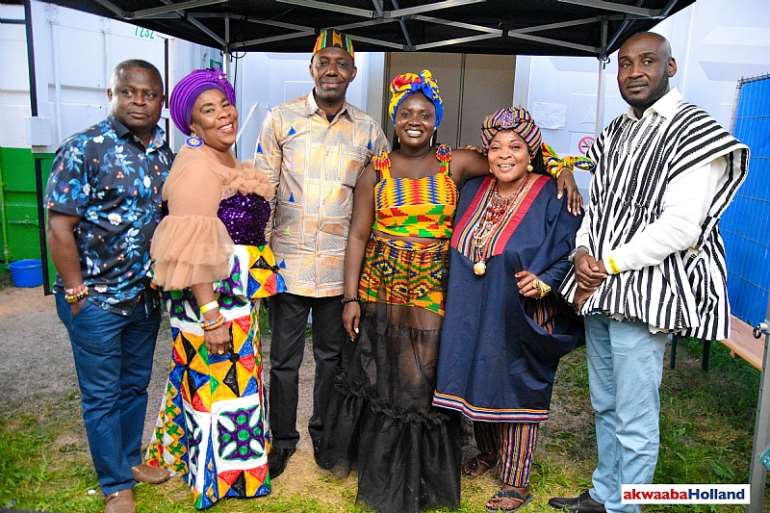
The Minister of Foreign Affairs, Samuel Okudzeto Ablakwa, has announced that Ghana will host a Fugu and Kente Trade Exhibition in Zambia in March 2026, following heightened interest in Ghanaian traditional attire during President John Dramani Mahama’s recent visit to Lusaka.
According to the Minister, the exhibition was inspired by the buzz the Ghanaian cultural wear received in Zambia, particularly after President Mahama appeared in the traditional smock. Zambian President Hakainde Hichilema publicly expressed admiration for the Fugu and Kente, later indicating his intention to order more outfits for personal use. This act has widely been seen as a symbolic cultural and diplomatic gesture that helped ease earlier cultural misunderstandings.
This development adds up to earlier gains of the Ghanaian wear after the Zambia Revenue Authority, announced the removal of duties and taxes on Fugu imported from Ghana for personal use, while maintaining applicable charges on items brought in for commercial resale.
Mr. Ablakwa explained that the upcoming exhibition will provide a structured and dignified platform to showcase Ghana’s rich cultural heritage, while also creating market access for local textile producers, fashion designers, and cultural entrepreneurs seeking to expand into the Zambian market.
“Ghana will host a Fugu and Kente Trade Exhibition in Zambia next month following the tremendous and phenomenal interest of Zambians in Ghanaian traditional outfits and President Hakainde Hichilema’s publicly expressed desire to place orders,” the Minister said, describing the initiative as a convergence of culture, diplomacy, and trade.
The exhibition will coincide with Ghana Month, an annual celebration in March dedicated to promoting the nation’s culture, heritage, and traditions through exhibitions, educational forums, and public engagements aimed at preserving Ghana’s identity and passing it on to future generations.
The initiative forms part of Ghana’s broader cultural diplomacy agenda, which seeks to intentionally project Ghanaian culture abroad while safeguarding indigenous traditions from gradual erosion in a globalised world.
What began as a moment of cultural shock, when Ghana’s traditional smock was mockingly described by some in Zambia as a “blouse”, has since evolved into a powerful diplomatic and commercial opportunity, underscoring how dialogue and engagement can reshape perceptions and deepen mutual respect.
In response to the initial remarks, Ghanaians at home and abroad rallied around the Fugu, sharing images and narratives that highlighted its history, symbolism, and national relevance, sparking a broader cultural reawakening.
The conversation gained international traction as diplomats in Ghana, including representatives from the European Union, the German Ambassador, and the French Embassy, joined the trend, elevating the discourse into a moment of high-level cultural diplomacy and reaffirming the Fugu as a unifying cultural expression that transcends Ghana’s northern regions and speaks to national identity.
Related Posts