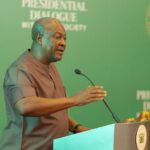

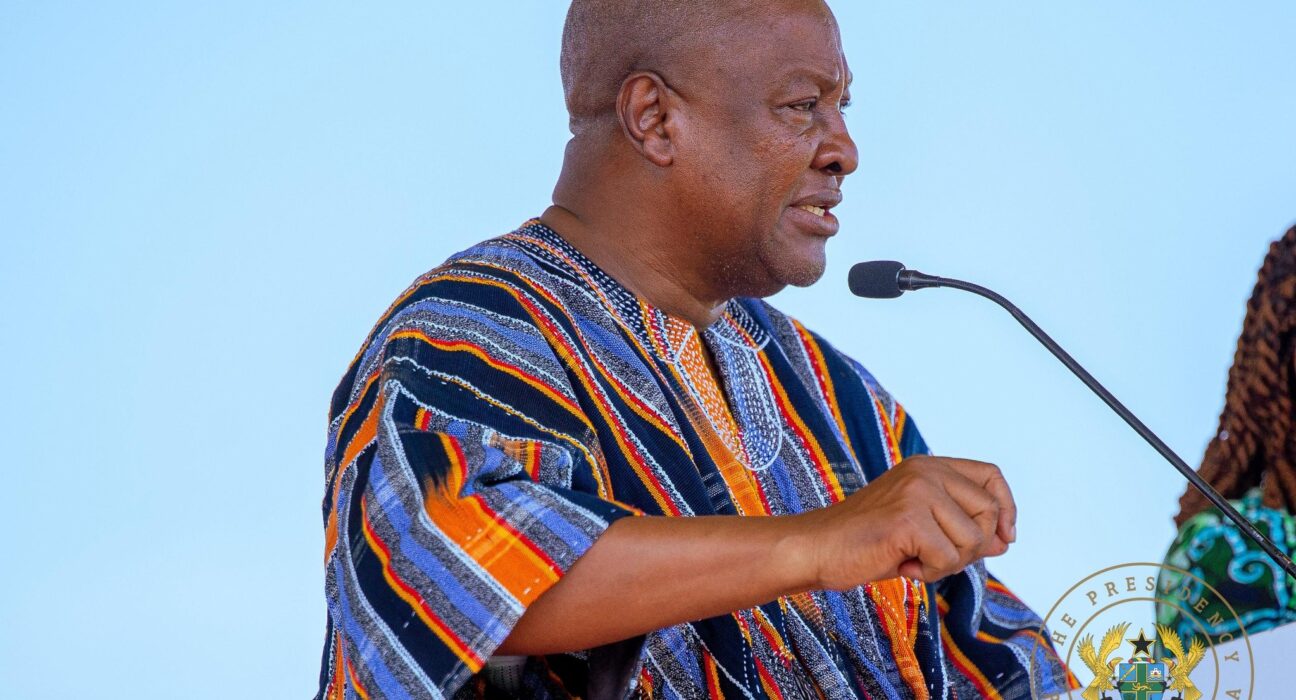
President John Dramani Mahama underscored Africa’s rich heritage of integrated health practices as a vital blueprint for global health security during his address at the high-level session of the One Health Summit in Lyon, France.
Mahama noted that long before the term “One Health” was coined, African communities had mastered the use of plant-based therapies for animals, which in turn protected human health. This reflects a deep, longstanding understanding that human survival, animal well-being, plant health, and environmental care are interconnected, forming a holistic system.
He explained that these practices naturally incorporated prevention, early detection, and swift response, creating a framework that strengthened overall health outcomes. Mahama emphasized that such traditional approaches offer valuable lessons for modern public health, showing the importance of linking human, animal, and environmental health to build resilient and sustainable healthcare systems.
“Long before the term “One Health” was coined, our ancestors mastered the use of plant-based therapies for animal healing, which in turn protected human health. In Africa, we accept without question that human survival, animal well-being, plant health, and environmental care form a single interconnected system.” he stated.
He also drew attention to the pressing health and environmental challenges facing Ghana, including diseases affecting smallholder cocoa farmers, illegal mining that pollutes water bodies, and the broader impacts of climate change. Mahama warned that these threats are interconnected and exacerbate one another, highlighting the need for a cohesive approach.
Ghana continues to grapple with severe environmental and public health challenges linked to illegal small‑scale gold mining.
Known locally as “galamsey,” this unregulated activity has contaminated water bodies such as the River Offin and other inland waterways with potentially toxic elements, including mercury and arsenic, posing serious health risks to communities that depend on these sources for drinking water and food production.
Heavy metal pollution from mining waste has been linked to long‑term health threats, including kidney failure, cardiovascular issues, and increased cancer risk in affected areas, prompting environmental groups and local authorities to call for urgent interventions.
In addition to mining‑related hazards, Ghana faces a rising burden of non‑communicable diseases that increasingly strain the public health system. While infectious diseases remain a concern, the prevalence of conditions such as hypertension, diabetes, and other chronic illnesses is growing, reflecting changing lifestyles and environmental stressors.
At the same time, environmental degradation, deforestation, and pollution exacerbate these health vulnerabilities by disrupting ecosystems, reducing agricultural productivity, and compromising clean water access, particularly for vulnerable rural populations.
The President further called on the international community to ensure fair access to financing, technology, and knowledge sharing to build resilient systems capable of preventing, detecting, and responding effectively to health crises.
“We must ensure fair access to financing, technology, data, and innovation. Research and knowledge sharing must be enhanced, and countries must be supported in building resilient systems capable of preventing, detecting, and responding effectively.” he stated.
President Emmanuel Macron, co-chair of the summit, praised Ghana’s leadership in promoting One Health strategies and suggested that Ghana should be one of the first countries to join new global initiatives stemming from the summit. He emphasized that the integration of national health agendas with international frameworks is critical for global pandemic preparedness and sustainable development.
The One Health Summit provides a platform for leaders to align national strategies with a global public health framework, ensuring that human, animal, and environmental health are addressed together to mitigate future crises and strengthen international cooperation.
Related Posts