
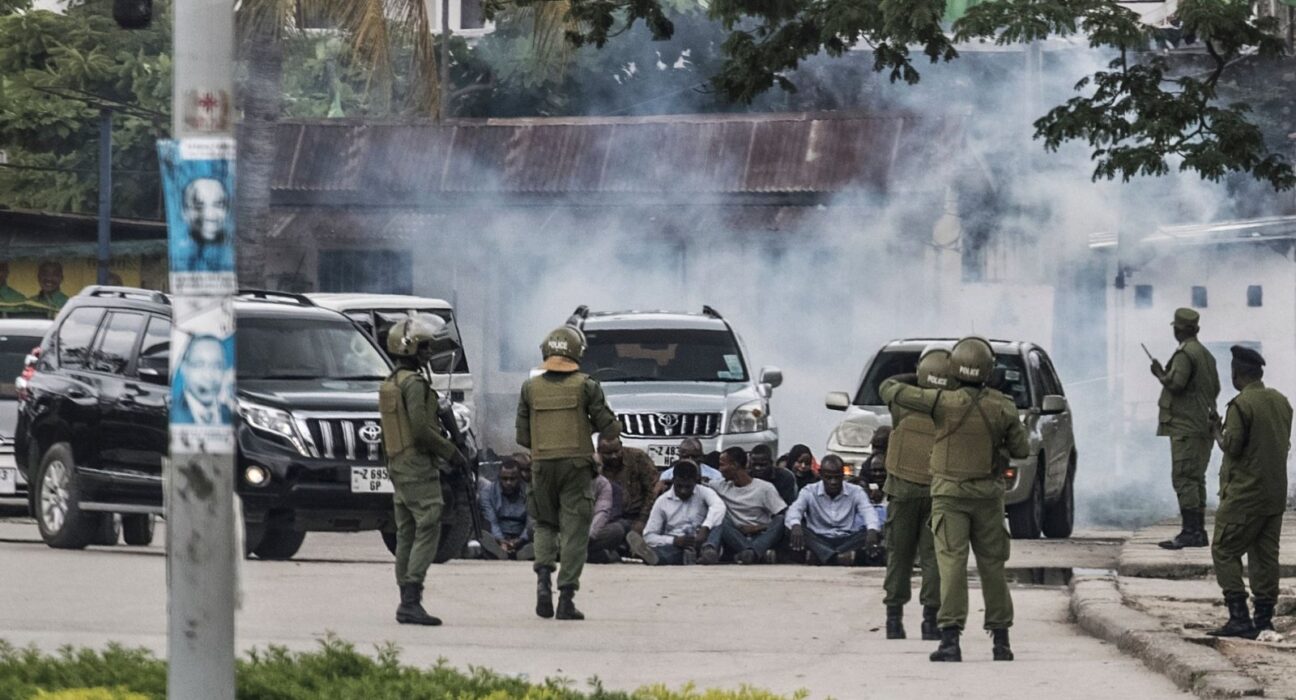
The United States Embassy in Tanzania has announced a comprehensive review of its bilateral relationship with the government, citing growing human rights concerns including the suppression of religious freedom, restrictions on free speech, and reports of police brutality against civilians following the October 29 polls.
This development is the latest in actions the U.S Embassy as taken following a security alert the Embassy issued to U.S. citizens residing in or traveling to Tanzania ahead of potential unrest on December 9. Opposition groups and a significant portion of the public are planning nationwide protests, raising fears of possible clashes with riot police.
According to the Embassy, recent actions by the Tanzanian government have forced the United States to reconsider a longstanding partnership that has historically strengthened economic cooperation, advanced security, and supported key sectors in the East African nation.
The Embassy highlighted persistent barriers to U.S. investment, growing safety risks for American citizens, tourists, and Tanzanian civilians, and a deterioration of the productive ties the two countries have enjoyed for decades. It cautioned that Washington “cannot overlook actions that jeopardize the safety of our citizens or the security and stability of the region,” adding that the future of bilateral relations would depend on the Tanzanian government’s conduct going forward.
The U.S. further referenced concerns over the political environment leading up to the October elections, including the disqualification of major opposition candidates on technical grounds and the arrest and treason trial of Tindu Lissu. The elections, which declared President Samia Suluhu Hassan the winner with 98% of the vote, have been widely criticized by the international community for alleged ballot tampering and a lack of transparency, fairness, and credibility.
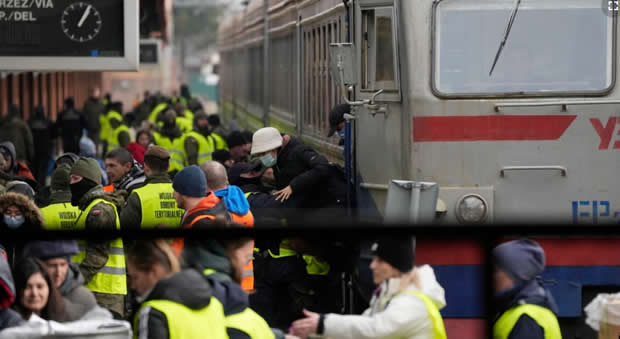
In the post-election period, sporadic protests have erupted across the country, with reports of excessive force by riot police resulting in numerous casualties and injuries. Rights groups say these actions have undermined fundamental freedoms and heightened tensions nationwide.
President Samia Suluhu Hassan, however, has pushed back strongly against what she describes as foreign interference. Addressing the Dar es Salaam Council of Elders, she accused development partners and the international community of attempting to dictate Tanzania’s internal affairs.
“Who are you?” she questioned, dismissing external pressure and belittling the influence of foreign aid on domestic decisions. “Some are telling us Tanzania must do this or that. Who are you? Do you think you are our masters? Is it because of the small amounts of money you give us?” Her remarks underscore a growing rift between Tanzania and its international partners at a moment of heightened political tension and global scrutiny.
By: Richmond Fordjour Ampofo
Related Posts