

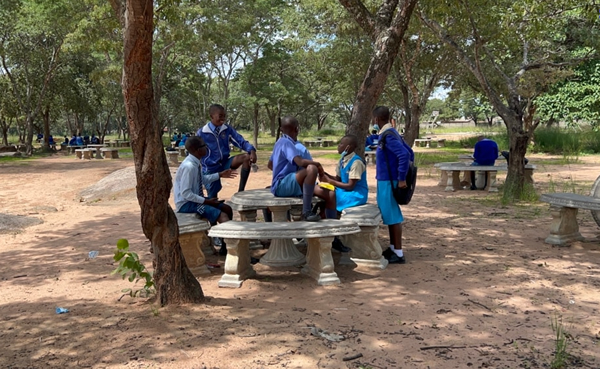
The United Nations Children’s Fund and Zimbabwe have released a report saying nearly half the country’s youth are not in school due to poverty exacerbated by the COVID-19 pandemic. The report says the percentage has more than doubled in the last three years.
Still, the UNICEF representative in Zimbabwe, Tajudeen Oyewale, has praised the government for adapting well to the COVID-19 pandemic, and getting tens of thousands of children into remote learning programs during the lockdowns.
The new UNICEF report, however, found that nearly half the country’s youth are not in school due to chronic poverty aggravated by the pandemic.
Before the pandemic, 21% of Zimbabwean youth were not in school. Now the number stands at 47%.
Taungana Ndoro, the spokesman for Zimbabwe’s ministry of education, told VOA he needed time to confirm the figures in the UNICEF report.
Thabo Dube is a 48-year-old unemployed man with nine-year-old twins and a 16-year-old. He used to run an informal farm produce shop before the start of the pandemic.
Dube said police confiscated his supplies when he tried to reopen his shop during a government-ordered lockdown.
When lockdown measures were eventually relaxed, Dube said he had no stock to sell or capital to restart – yet his children wanted to go to school. Dube said he moved them from private schools to a government school, but still can’t afford the fees.
In Zimbabwe, families pay less than $100 per year to send their children to an elementary school, and about $300 for a secondary school. The fees may sound low but are a lot for people who sometimes get by on one dollar per day.
Oyewale said UNICEF is trying to keep children in school through several means, including the provision of learning materials.
“Lastly, by the introduction of what we call school improvement grants, we are able to support households who are finding it difficult to bring their children to school,” he said.
UNICEF says Zimbabwe is spending 13% of its budget on education instead of 20%, which was agreed to at a conference years ago in Dakar, Senegal.
Source: voanews.com
Related Posts