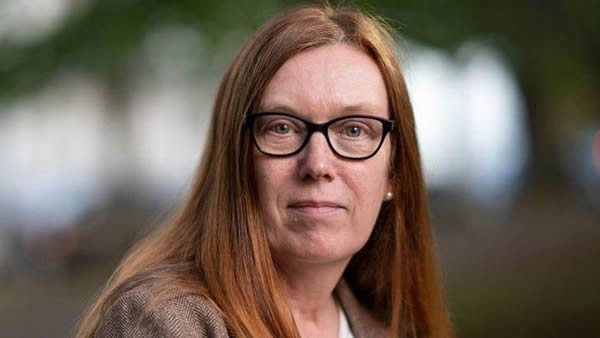
The Chief Executive Officer (CEO) of the Environmental Protection Authority (EPA), Professor Nana Ama Browne Klutse, has underscored the need to empower women to take crucial roles in climate-related issues.
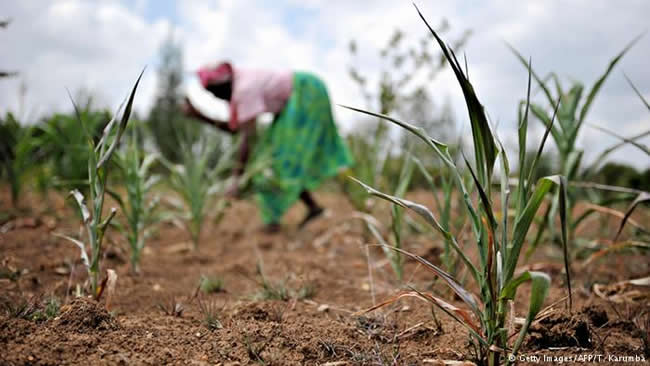
She explained that even though, statistically, women were disproportionately affected by climate change, they were leaders in resilience, innovation and community action.
“This is why Ghana insists that no negotiation is complete without women at the table.
When women negotiate, they bring perspectives grounded in lived realities from managing households affected by drought to leading farmer cooperatives, to mobilising communities for disaster response,” she stressed.
Prof. Klutse said that last Tuesday, at the opening of a workshop for women climate negotiators.
Event
It was organised by the EPA, in collaboration with the Institut de la Francophonie pour le Développement Durable (IFDD), a subsidiary body of the International Organisation of La Francophonie (OIF).
A climate negotiator is a government representative or expert who takes part in international discussions and decision-making aimed at tackling climate change.
Their core job is to bargain, draft and agree on global rules, targets and funding mechanisms that reduce greenhouse-gas emissions and help countries adapt to climate impacts.
The four-day workshop, therefore, brought together over 50 Francophone women negotiators from across Africa to equip them with the skills, tools, and confidence needed to play influential roles in international climate negotiations, including preparations for COP30 in Belém, Brazil.
Prof. Klutse said Africa suffered the worst climate impacts despite minimal emissions, citing Ghana’s erratic rainfall, coastal erosion in Keta and Ada, and biodiversity loss.
To mitigate the impacts, she stated that the country had strengthened climate governance through the 2024 EPA Act 1124, which empowered the agency to enforce commitments under the Paris Agreement, the Sustainable Development Goals, the Sendai Framework, and Agenda 2063.
Significance
The Programme Specialist for International Negotiations on Environment and Sustainable Development at the IFDD, Dr Issa Bado, highlighted the workshop’s symbolism – the first OIF activity in Ghana – as a step towards climate justice by centring women, a celebration of multilingualism and shared Francophonie values such as peace, solidarity and sustainable development.
He stressed the urgent climate realities, noting that 2024 was the hottest year in 800,000 years and warning of the risk of surpassing 1.5 °C by the 2030s.
The initiative aims to strengthen the role of Francophone women negotiators at COP30 and in future climate talks.
Collaboration
The President of the Francophone Ambassadors Group and Ambassador of Lebanon, Maher Kheir, said the struggle against climate change could only be won if we stood together, across nations, across cultures and across generations.
“Let us be clear: women are not an accessory to climate governance.
They are indispensable architects of solutions, carrying the wisdom of their communities, the resilience of lived experience, and the courage to demand justice where compromise is too often the norm,” he said.
Source: graphic.com.gh
Related Posts