
The Zambia Revenue Authority (ZRA) has declared that smocks, popularly known as fugu or batakari, imported from Ghana for personal use are exempt from customs duties and taxes, in a move aimed at promoting cultural exchange.
However, commercial quantities, such as importing 20 pieces or more for resale, all under taxable trade activity and will be assessed accordingly at the point of entry. The ZRA further noted that any fugu produced or tailored within Zambia for sale will be subject to existing domestic tax obligations, in line with national revenue laws.
“A Fugu imported from Ghana for personal use doesn’t attract duties and taxes but 20 of those imported for reselling will have duty charged. If made in Zambia, applicable domestic taxes such as Turnover Tax are paid.” the post read
The duty exemption comes in the wake of a viral cultural moment that sparked widespread conversation in Zambia and Ghana after President Mahama appeared in a traditional Ghanaian smock during official engagements in Lusaka. Initial reactions on social media included confusion and mockery, which quickly evolved into broader cultural discourse and solidarity displays, particularly among Ghanaians.
In response to the online commentary, Ghanaians launched a cultural counter-movement celebrating the smock as a symbol of heritage and identity. Influencers, creatives, and public figures showcased the attire across social media platforms, while events such as free public photoshoots at Accra’s Independence Square were organised to reaffirm pride in the garment.
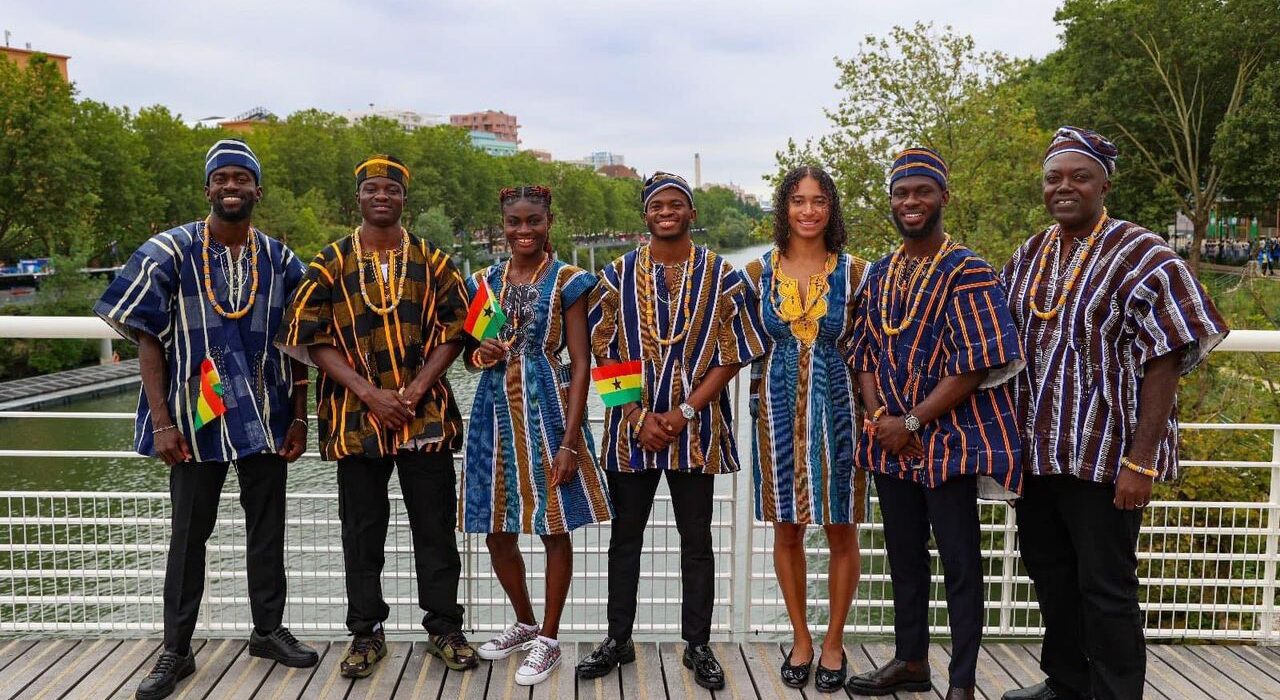
The fugu, also known as batakari, originates from northern Ghana and has long held deep cultural significance. Traditionally hand-woven using strip-loom techniques, the smock is worn by chiefs, warriors, and royalty, and is associated with protection, authority, and status. Historically, warriors adorned the garment during battle, believing it to be spiritually fortified.
Over time, the smock has transcended regional boundaries to become a national symbol of Ghanaian identity. It has been worn at key historical moments, including Ghana’s independence celebrations, and continues to feature in contemporary political, cultural, and diplomatic spaces as a marker of indigenous craftsmanship and pride.
During an interview marking the end of his three-day state visit, President Mahama remarked that the attention generated by his wearing of the smock had effectively given the traditional garment global visibility. He noted that searches for “fugu,” “batakari,” and “smock” had surged, creating unexpected marketing exposure for local weavers and designers in Ghana.
President Mahama also disclosed that he gifted a fugu to Zambian President Hakainde Hichilema, who expressed interest in ordering more for himself. The gesture was framed as cultural exchange, with Mahama emphasizing his long-standing commitment to promoting locally made garments and supporting indigenous textile industries.
The development underscores how a moment of cultural misunderstanding has evolved into a broader conversation about heritage, trade, taxation, and the movement of African cultural products across the continent.
Related Posts