
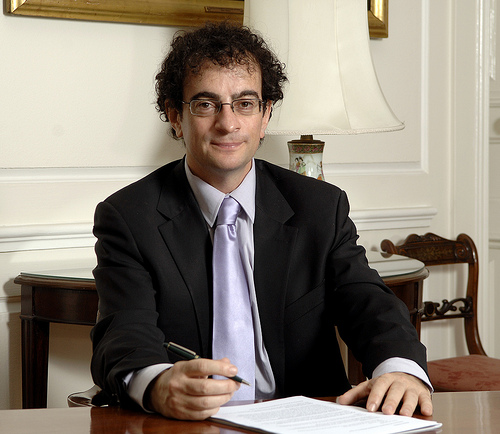
The British High Commissioner has criticised some Ghanaian journalists for exhibiting traits of unprofessionalism and unethical behaviour by splashing pictures of dead bodies on screens and in the newspapers and taking money for covering events.
Mr Jon Benjamin also slammed media houses, which he said, were providing their platforms to few self-aggrandised religious personalities to exploit worshipers, many of whom already lived in horrible economic situations.
“Why, for example, are uncritical media platforms provided to just a few religious figures, so-called and self-appointed men of God, to exploit their congregations for money”? he questioned.
“Why should readers be exposed to graphic images of recently dead bodies, published without care for their privacy or the grief of their families, as was the case following the fire and flood tragedy…earlier this year? he quizzed.
The British High Commissioner launched the attack at the inauguration of the Komla Dumor Centre for Broadcast Journalism at the African University College of Communication meant to preserve the legacy of the late Ghanaian BBC reporter.
The AUCC created the centre to train journalists to be like the late Dumor through academic activities that seek to inculcate a path to excellence in broadcast journalism.
The path would among other things, focus on the quest for factual details through research, passionate reporting, attention to detail, integrity, ethics, dignity, and professionalism.
Mr Benjamin said the Commission frowned on journalists who covered assignments and without an iota of shame openly asked for money – “Soli”, and warned that the commission was on the war path of shaming them and, subsequently, banning them from covering its activities.
He said: “Journalists should not accept that a story is either newsworthy, when it otherwise wouldn’t be, just because someone has paid for it. That isn’t journalism, its advertising, an honourable enough profession in itself of course but a different one.
“So we at the British High Commission will continue with our policy of naming and shaming those journalists who brazenly ask us for ‘soli’ money to cover our events, and then ban them from covering them again.”
Mr Benjamin called on the centre to help make soli a thing of the past.
He, however, acknowledged that Ghanaian journalists worked under trying circumstances as they were poorly paid in a viable media market.
“We recognise that many journalists work under tough conditions and are paid poorly in a highly competitive and crowded media market, which tends to push salaries down.
“That can in turn inadvertently lead them to neglect their own professional values and affect their ability to remain neutral,” he stated.
Source: GNA
Related Posts