

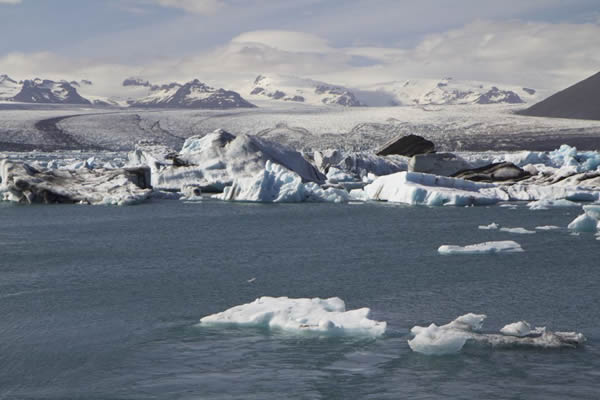
Mr Issifu Seidu, Minister of State for Climate Change and Sustainability has announced plans to localise climate change issues to help build resilience and sustain livelihood, especially for the vulnerable.
In that regard, he said the government would be working with relevant bodies to undertake advocacy, educate the public and stakeholders, and build capacity of relevant agencies on the climate crisis.
Mr Seidu was welcoming a four-member team from the University of Ghana, led by Professor Gordon A. Awandare, the Pro Vice-Chancellor in charge of Academic and Students Affairs, and Prof. Chris Gordon, an Environmental Scientist, with special interests in the biodiversity and functioning of coastal, wetland and freshwater systems.
The Minister said climate change was impacting most sensitive aspects of the economy but was not popular, hence the need to take the necessary steps to educate people to influence behavior patterns that contributed to the change.
“Climate change is a behavioural issue. People do not know the impact of their actions on the environment, soil, and the air they breathe,” he said.
At the sub-regional level, he noted that the new ministry had plans to set up a climate change and sustainability hub to build a think tank, run advocacy, conduct high impact research to generate the evidence for intervention, and implement projects.
Referencing a world bank report, Mr Seidu stated that at least one million more people could fall into poverty due to climate shocks if urgent climate actions were not taken.
People’s income could reduce by up to 40 per cent for poor households by 2050, he said.
Prof. Gordon said the climate crisis affects everyone and that on-going studies indicated that night and day time temperatures had increased especially at the informal settlement.
Spikes in temperature, he said, presented a grave concern, especially for residents of informal settlements grappling with substandard housing and inadequate ventilation.
Prof. Gordon called for urgent action to confront the challenges of climate change impact to build resilience and ensure survival.
He noted that results from the study revealed a number of issues including buildings with insufficient spacing, inappropriate design, materials, lack of proper ventilation, rendering them ill-equipped to withstand climatic pressures.
“Due to heat stress, informal sector workers especially, labourers are unable to work for long hours and in the night, people cannot sleep well,” he said.
Prof. Gordon stated that the heat stress was contributing to mental health issues, and causing stress.
Source: GNA
Related Posts