
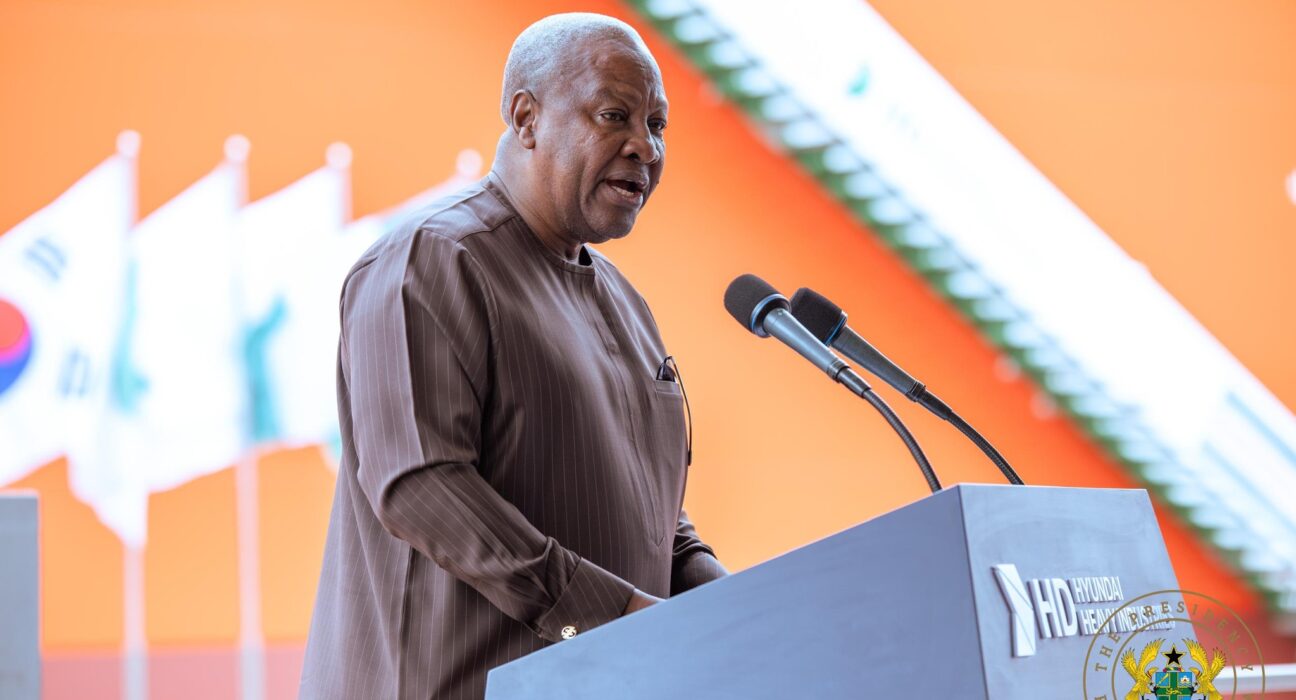
President John Mahama has acknowledged that escalating tensions in the Middle East do not affect only the Gulf region but carry global repercussions, urging Ghanaians, especially the Muslim community, to pray for calm and peace.
He made the statement while appealing to members of the Muslim community to offer prayers for tranquility in the Middle East amid rising violence following a joint U.S.–Israel military operation against Iran and Iran’s retaliatory strikes across the Gulf region.
The statement comes against the backdrop of a politically sensitive narrative in Ghana over how global shocks particularly energy and economic disruptions, affect the domestic economy, a narrative previously dismissed by the current government while in opposition when the erstwhile administration attributed Ghana’s economic difficulties to external shocks such as the COVID‑19 pandemic and Russia’s invasion of Ukraine.
Mahama implored the Muslim community to pray that Allah intervenes and touches the hearts of all actors involved in the conflict, at a time when prospects for a ceasefire appear elusive.
“The conflict between the U.S. and Israel, and Iran, is affecting not only the Middle East; it’s affecting the whole world. And so we pray that Allah will touch the hearts of everybody involved in this conflict and bring peace to the people in the area,” he stated.
He made the remarks while addressing the Muslim community during an Iftar at the Jubilee House on 16 March 2026.
The conflict in the Middle East has entered its third week following a joint U.S.–Israel strike on Iran’s strategic sites, which included the reported killing of senior Iranian officials.
Iran has since launched numerous ballistic missile and drone strikes across the Gulf, including into the United Arab Emirates and other states, prompting heightened security alerts across the region.
Meanwhile, the Strait of Hormuz, a critical route for global oil shipments, has faced significant disruption, with some regional governments reporting temporary closures or dangerous conditions for tankers. Brent crude prices have surged above $100 per barrel due to these disruptions and broader concerns about supply security.
Ghana, as a net importer of petroleum products, is particularly vulnerable to global oil price shocks. Disruption to crude shipments through the Strait of Hormuz, through which up to one-fifth of the world’s oil typically flows, can lead to higher global energy costs.
Rising crude oil prices often translate into increased fuel import costs for Ghana, which can then push up the price of petrol, diesel, and liquefied petroleum gas at the pump for consumers and businesses.
Analysts note that even short‑term volatility in global oil markets can affect fuel pricing windows used by regulators and oil marketing companies in Ghana. Higher energy prices typically feed into broader inflationary pressures because fuel is a key cost input in transportation, industry, and agriculture.
Ghana’s central bank governor has already warned that these global tensions and rising oil prices could negatively impact the country’s inflation outlook and economic stability.
For households and businesses in Ghana, increased energy costs mean potential rises in transport fares, electricity generation costs where fuel-based power is used, and prices of goods and services as transport and production costs rise. Should the conflict continue, Ghana’s energy sector may face a difficult balancing act between absorbing some costs and passing others onto consumers.
Amid the wider Middle East conflict, Ghanaian peacekeepers serving under the United Nations Interim Force in Lebanon (UNIFIL) were reported to have come under attack during hostilities between Israeli forces, Iran-aligned groups, and regional militias.
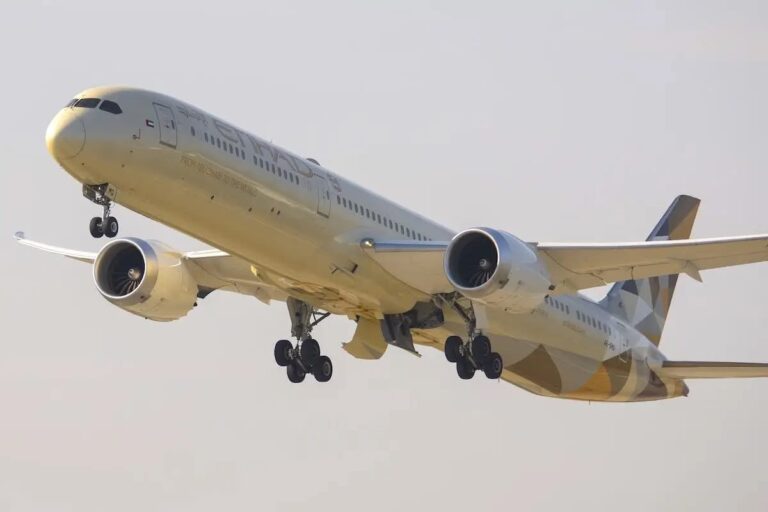
Meanwhile, the Government of Ghana has condemned recent drone-related incidents near Dubai International Airport, United Arab Emirates, that injured two Ghanaian nationals.
The incident occurred when shrapnel from intercepted drones fell near passenger and residential areas amidst ongoing missile and drone activity between Iranian-aligned forces and Gulf states. UAE authorities confirmed minor injuries to the Ghanaian nationals as well as others of foreign nationality, emphasizing that air traffic and airport operations continued despite the incident.
As the conflict shows no immediate signs of de-escalation, global markets and economies, including Ghana’s, remain on alert for further disruptions that could deepen economic pressures both at home and abroad.
Related Posts