
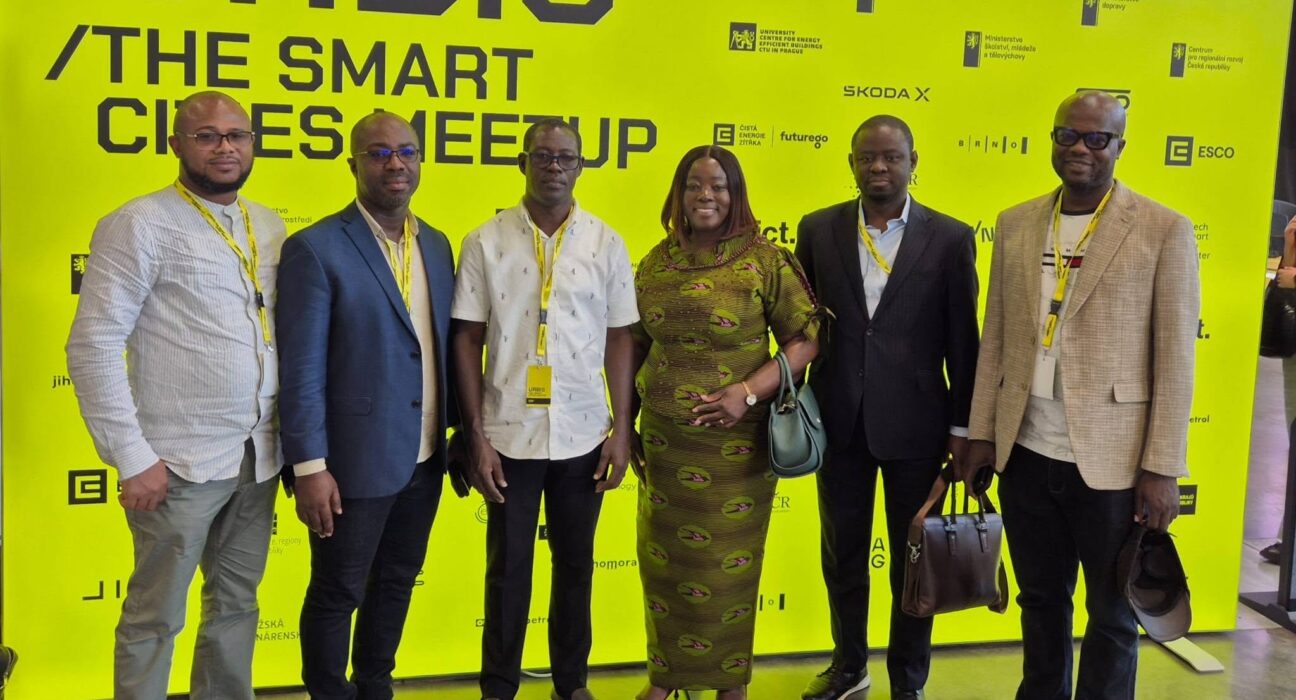
A delegation from Ghana’s Ministry of Transport has represented the country at the Africa Smart Mobility Forum in Prague, Czech Republic, where policymakers, industry leaders and mobility experts gathered to discuss innovative solutions for Africa’s transportation challenges.
The Ghanaian delegation benefited from presentations and exchanges on smart mobility systems, urban transport planning, digital ticketing, fleet management and sustainable transport solutions. The discussions provided valuable insights into addressing challenges confronting Ghana’s transport sector, which remains heavily reliant on private operators, limiting the state’s direct control over public transportation services.
Ghana’s transport sector remains a critical component of the economy, with changes in transportation costs often having immediate and far-reaching effects on the prices of goods and services. Fuel price increases are quickly passed on to passengers by transport operators, creating ripple effects across multiple sectors of the economy and contributing to the cost of living challenges faced by many citizens.
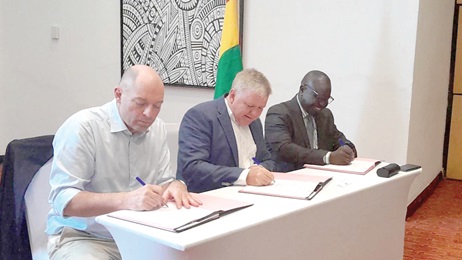
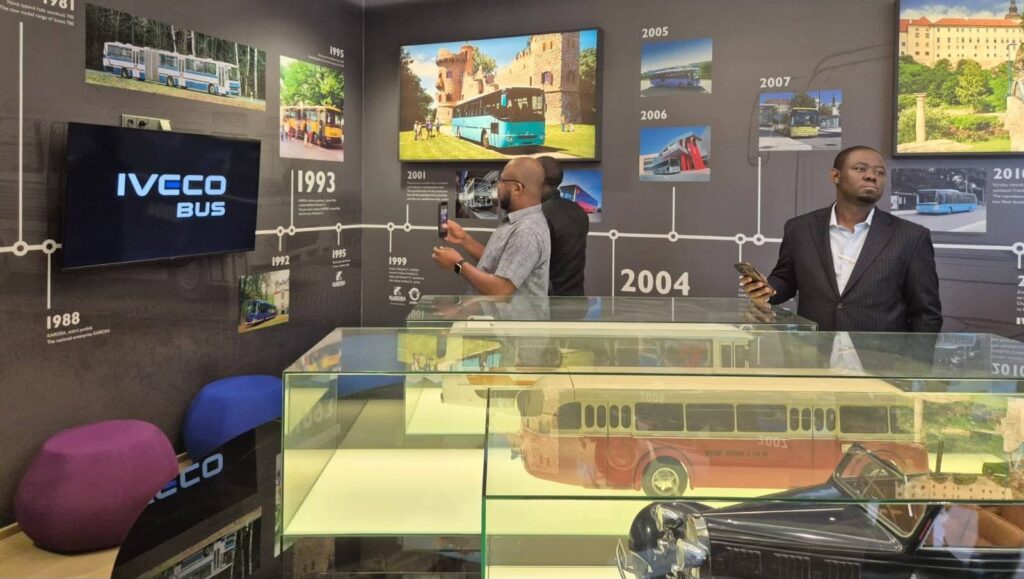
As part of the visit, the delegation also toured the URBIS Exhibition in Brno and held discussions with Czech companies IVECO and Mikroelektronika to explore potential areas of cooperation in public transportation, fleet modernization, intelligent transport systems and mobility technologies that could be deployed in Ghana.
The visit to IVECO, one of Europe’s leading bus and commercial vehicle manufacturers, was particularly significant given Ghana’s ongoing efforts to modernise its public transport fleet. IVECO produces a range of urban, intercity and electric buses that are widely used across Europe and other parts of the world for mass transit operations.
The visit comes at a crucial time as Ghana grapples with persistent transportation challenges, including what government officials have described as an “artificial shortage” of commercial vehicles in some parts of the country. The situation has resulted in long queues at major transport terminals, forcing many commuters to wait for extended periods before securing transportation to their destinations.
The government’s efforts to improve public transportation received a boost earlier this year with the arrival of the first batch of 100 newly procured 29-seater buses as part of a broader programme to acquire 300 buses aimed at strengthening public transport services across the country. The remaining buses are expected to arrive in phases and will be deployed to support public transportation operations nationwide.
The buses have been commissioned for use by Metro Mass Transit as part of efforts to expand access to affordable and reliable transportation while reducing pressure on existing transport services. Authorities believe the investment will help improve mobility, support economic activity and facilitate the movement of people and goods across the country.
Despite these interventions, Ghana’s transport sector continues to face significant structural challenges. Major cities including Accra, Kumasi and Tema frequently experience overcrowding at transport terminals, inadequate fleet capacity, rising passenger demand and prolonged waiting times, particularly during peak periods.
Against this backdrop, Ghana’s participation in the Africa Smart Mobility Forum takes on added significance. The engagements in Prague and Brno offered an opportunity for Ghanaian officials to study international best practices and emerging technologies that could support the government’s efforts to modernize the transport sector and develop a more efficient, reliable and sustainable public transportation system aligned with global standards.
Related Posts