
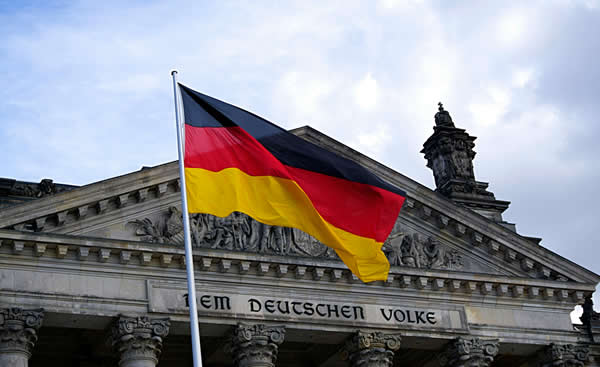
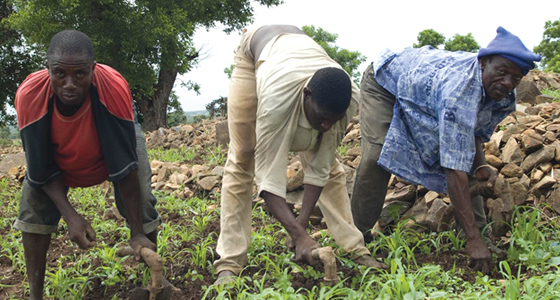
Germany has been urged to reconsider its agricultural cooperation model for Africa and prioritise food sovereignty and agroecological practices.
Africa’s reliance on external inputs had made smallholder farmers vulnerable, a policy brief, jointly authored by Power Shift Africa, Kenyan climate and development policy think tank, and Germanwatch, a German environmental and human rights organisation, said on Tuesday.
In the policy brief, titled: ‘‘What is the Missing Ingredient? The German Agriculture and Food Strategy for Africa 2025,’’ the experts argued that in spite of the numerous multilateral interventions, Africa remained in the grip of “debilitating food crisis.”
The brief emphasises the importance of food sovereignty – the right of communities to control their food systems – for countering corporate capture in agriculture and ensuring that African farmers had the tools, resources and autonomy to determine their agricultural practices.
“In 2023, 868 million people across the continent experienced food insecurity, including 342 million suffering from severe hunger,” it said.
“This figure has been made worse by the growing impacts of climate change, which is severely disrupting food production through more frequent and intense droughts, floods and heatwaves.”
Madam Amy G. Thorp, Programmes Manager at Power Shift Africa, said decades of investments in industrialised agricultural systems had not yet shifted the global food system from multinational corporations and made African farmers more dependent on external inputs.
She called on the German Ministry of Food and Agriculture (BMEL) to shift its approach, ensuring that African nations had the right to control their agricultural future, in the wake of the growing food insecurity crisis on the continent.
“In addition, the effects of the escalating climate crisis must always be considered in programmes to combat the food crisis” she added.
Mr Lazarus Nanzala, the policy and advocacy advisor at SDG2 Advocacy Hub, said Germany and other global partners must prioritise African-led solutions, and not repeat “colonial frameworks.”
“It is important to dismantle extractive trade structures and invest in climate-resilient, farmer-driven food systems. Only then can Africa cultivate dignity, self-reliance, and justice at the heart of its agri-food systems transformation,’’ he said.
Madam Lina Adil, Policy Advisor on Climate Adaptation and Loss and Damage at Germanwatch, said the German Ministry of Food and Agriculture must implement its strategy in a way that harmonised food production, adaptation, and carbon sequestration.
That, she added, would help to transform agricultural landscapes into powerful allies in the fight against climate change.
The policy brief stresses that Germany’s strategy should be informed by the lessons of past policies, including its previous strategy on food and agriculture for Africa, that failed to address the root causes of food insecurity on the continent.
It also highlights Germany’s pivotal role in supporting the advancement of Africa’s agricultural future, ensuring its food systems were rooted in sustainability, equity, and resilience.
Source: GNA
Related Posts