
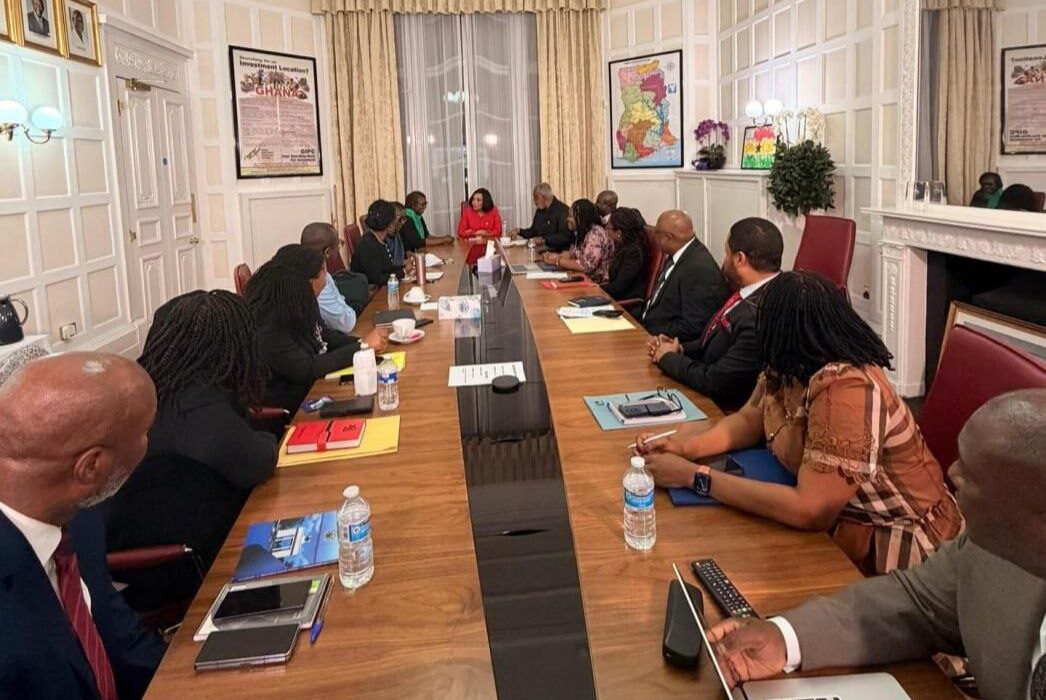
The Head of Mission of the Ghana High Commission in the United Kingdom, Sabah Zita Benson, has chaired a high-level strategic meeting with Sectional Heads and leaders of Ghanaian parastatals operating in the UK. The engagement, held at the start of the year, was attended by the Deputy Head of Mission, H.E. Aquinas Quansah, and senior officials representing key government agencies abroad.
The meeting provided a platform to align priorities, strengthen inter-agency collaboration, and set a focused path for effective service delivery in 2026. H.E. Benson emphasised the importance of cohesive operations among Ghanaian institutions overseas to ensure that Ghana’s foreign missions continue to project a consistent and professional image while supporting national development objectives.
Ghanaian parastatals, as state-owned enterprises, play a crucial role in the country’s socio-economic development. They operate across sectors including energy, agriculture, finance, and education, providing essential services, generating employment, and promoting investment opportunities. In the UK context, these entities also serve as strategic channels for fostering trade partnerships, facilitating investment flows, and promoting Ghana’s interests in Europe.
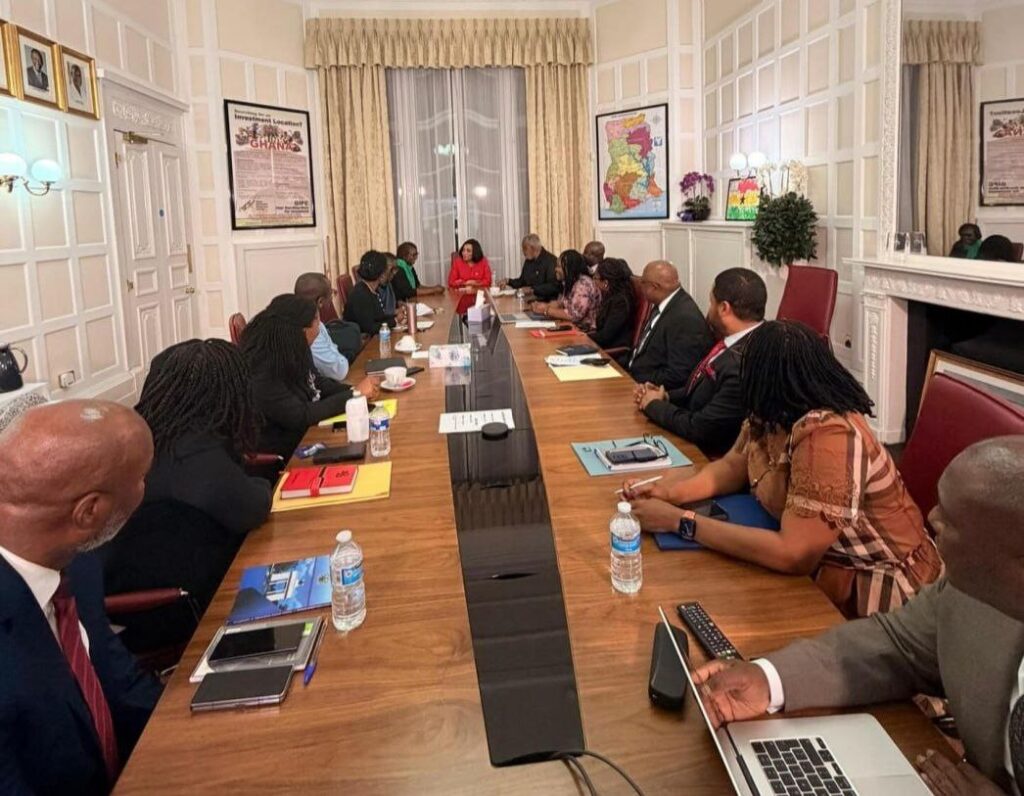
During the meeting, participants discussed the challenges facing parastatals, including financial sustainability, operational efficiency, and governance concerns. H.E. Benson urged leaders to adopt performance-based management, strengthen accountability frameworks, and explore innovative partnerships with the private sector to enhance impact and service delivery.
The High Commission also reviewed progress on key programmes that support Ghanaian businesses and diaspora engagement in the UK. Officials highlighted ongoing initiatives aimed at promoting trade, investment, and cultural diplomacy, underscoring the centrality of collaboration between parastatal institutions and diplomatic missions in achieving tangible outcomes.
Benson reaffirmed the High Commission’s commitment to advancing Ghana’s foreign policy and development agenda. She stated that cohesive coordination among parastatals, coupled with strategic planning and efficient service delivery, would not only enhance Ghana’s international profile but also contribute to economic growth and national transformation in 2026.
Related Posts