
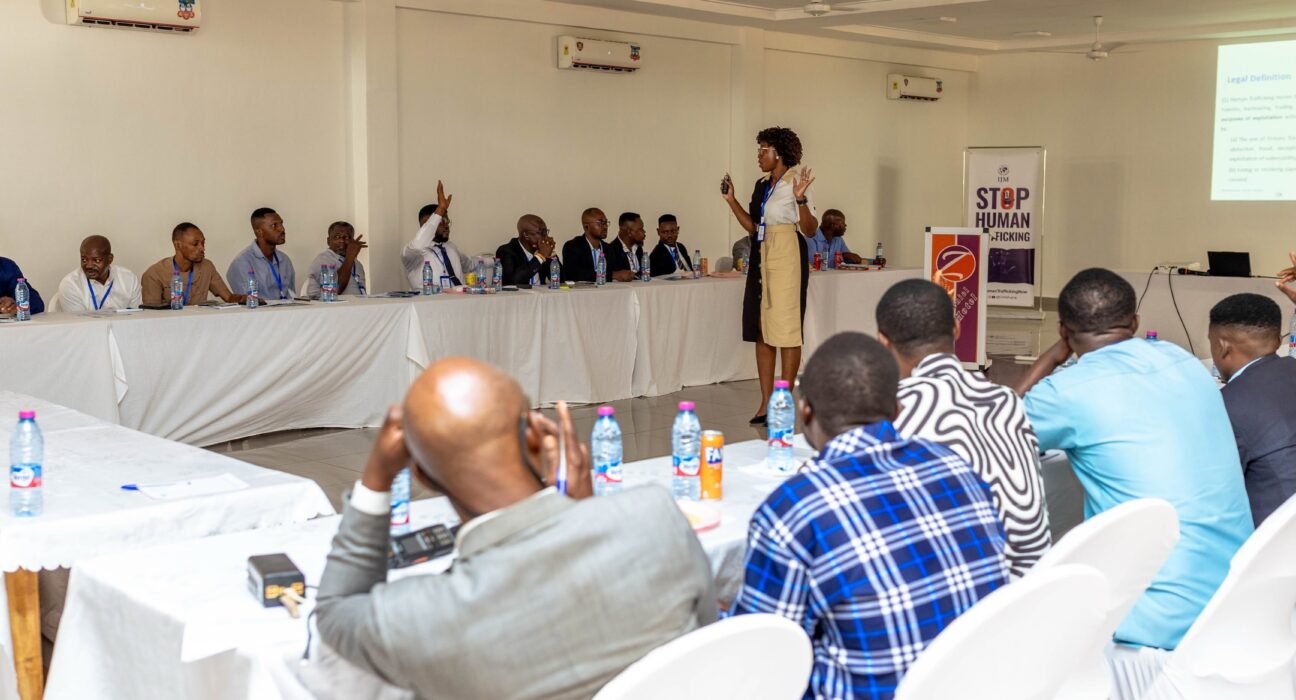
The International Justice Mission (IJM) has begun training 30 police officers in the Ahafo Region to strengthen efforts to combat forced child labour in Ghana’s cocoa sector.
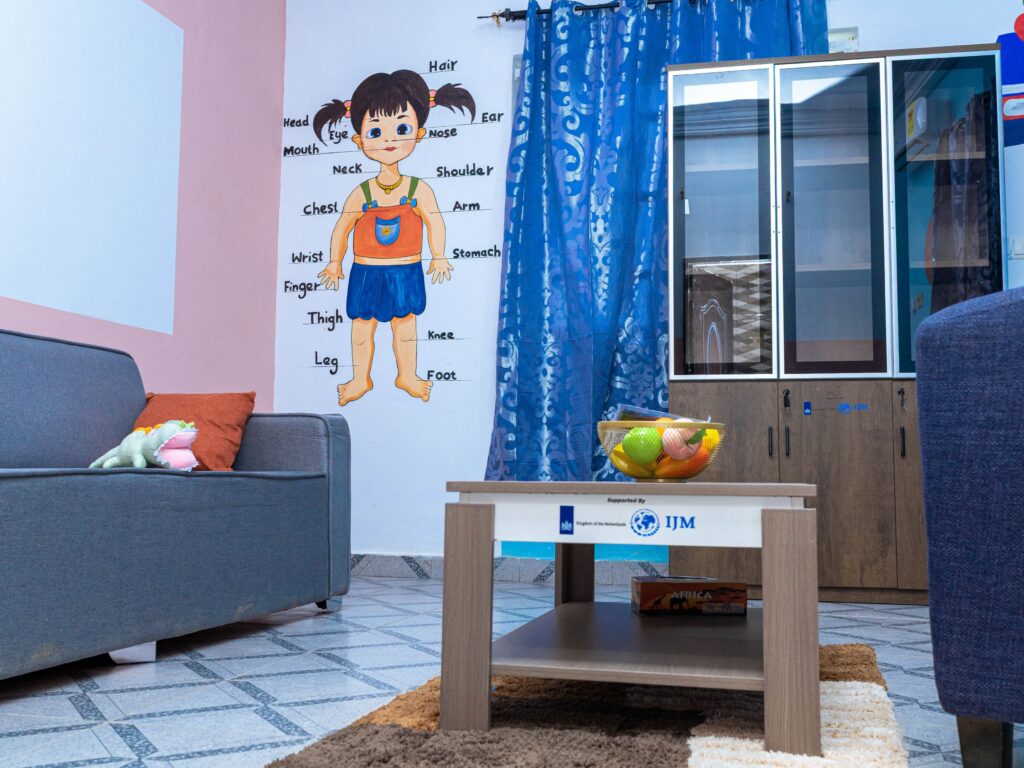
The training is being accompanied by infrastructural support, including a fully furnished Anti-Human Trafficking Unit and a child-friendly interview room. Both facilities have been commissioned and handed over to the Ahafo Regional Police Command to enhance investigations into child trafficking and forced labour in cocoa farming communities.
The intervention, supported by the Embassy of the Netherlands in Ghana, comes at a critical time as Ghana seeks to strengthen value addition in its cocoa industry while ensuring sustainability in production. The country continues to trail neighbouring Côte d’Ivoire, the world’s leading cocoa producer.
According to studies, an estimated 1.5 million children are engaged in child labour on cocoa farms, with a significant number concentrated in cocoa-growing regions where children often work alongside their families to support livelihoods.
The Dutch Embassy underscored the need to eliminate child labour, stressing that the future of every society depends on the protection and empowerment of children. It described the initiative as complementary to national efforts to combat child trafficking and forced labour.
“The future of every society rests with its children. Therefore, they must be supported and empowered, not exposed to hazardous work. In light of this, the Embassy is supporting the protection of children from forced labour and trafficking in cocoa farming in Ghana,” the Mission stated.
The training programme covers Ghana’s human trafficking laws, case management procedures, and trauma-informed approaches to handling victims and investigations.
It also builds on broader national reforms, including Ghana’s ratification of International Labour Organization Convention 188, which sets 16 years as the minimum age for work on fishing vessels, as well as the prosecution of 565 suspects across various sectors linked to trafficking and labour-related offences.
Further institutional strengthening includes training for the Child Labour Unit and the Human Trafficking Secretariat on evolving child labour trends and investigative practices.
Other key reforms include the signing of the Child Labour in Cocoa Coordinating Group Framework of Action, aimed at addressing the root causes of child labour through improved access to education, strengthened social protection systems, enhanced cocoa traceability, and stronger child protection case management.
The government has also rolled out the Ghana Accelerated Action Plan Against Child Labour (2023–2027) and launched partnerships with international organisations, civil society groups, and industry stakeholders to tackle child labour in the cocoa sector.
Despite these interventions, current estimates suggest that about 77,000 children are still engaged in laborous work within Ghana’s cocoa sector. Overall, child labour affects approximately 28% of children across various sectors, with only about 12% of affected children possessing foundational reading and numeracy skills.
Related Posts