
Nigeria’s National Agency for Food and Drug Administration and Control, NAFDAC, announced a provisional approval of the R21 vaccine during a media briefing on Monday.
The regulatory agency’s consent came days after Ghana approved the vaccine.
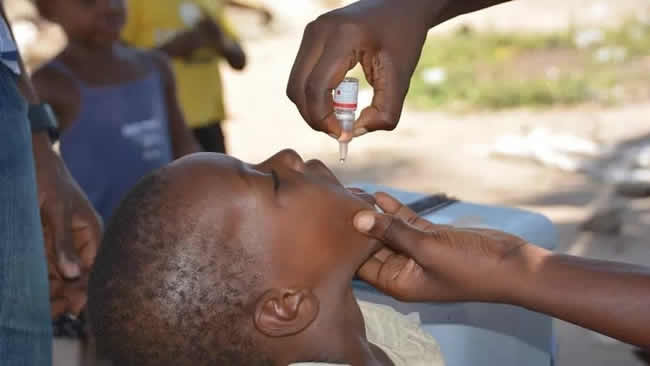
NAFDAC said the vaccine is 70 to 80 percent efficient in preventing the mosquito-borne disease and could protect millions of children.
The agency’s director general, Mojisola Adeyeye, spoke to journalists in Abuja.
“The vaccine is indicated for prevention of clinical malaria on children from five months to 36 months of age,” Adeyeye said.
NAFDAC did not say when the vaccine will be rolled out, but Adeyeye said Nigeria will conduct in-country clinical trials and pharmacovigilance study.
The WHO says some 600,000 people die of malaria every year, most of them in Africa, many of them young children.
Nigeria accounts for the highest numbers of cases and deaths from malaria globally. Health experts say the vaccine could be a game changer.
Kunle Olobayo is a lead researcher at the National Institute for Pharmaceutical Research and Development.
“A proactive, preemptive intervention will definitely be most useful especially in countries like Nigeria,” said Olobayo. “Many interventions and steps that have been taken to reduce transmission have not been very successful because of our level of development, poverty. So, it will definitely change the dynamics.
The WHO has yet to approve the vaccine. The WHO Nigeria malaria program head, Lynda Ozor, said authorities are still reviewing the vaccine’s safety and efficacy.
“The WHO is reviewing the R21 data, and it’s being supported by an independent global advisory group on immunization and malaria experts.,” said Ozor. “This group will advise the WHO on whether to recommend the R21 vaccines for use. It has to be approved by the WHO to compliment the rollout of the first vaccine.”
Last year, the WHO consented to the world’s first malaria vaccine, Mosquirix.
Olobayo said that, without donor support, African countries could struggle to acquire the vaccines.
“Vaccines in Nigeria historically tend to be dependent on donor funding,” said Olobayo. “I have a feeling there might be some substantial international funding to get these products widely used.”
Oxford University is working with the Serum Institute of India to produce up to 200 million doses of R21 every year.
Source: voanews.com
Related Posts