
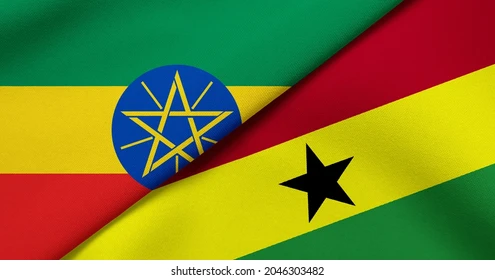
No disagreement that Africa deserves democracy, and yet it is a rarity to see it as such in many of African states. In fact, there could be very few countries that demonstrate the essence of democracy. Ghana is one of the front pillars in this regard.
Though the degree of democratization is different, there are other countries, too, who can claim there is democracy as their system of governance. Ethiopia’s philosophy of democracy looks a bit different, as the country depends much more on home grown reform in shaping both its macroeconomic policy and its political thinking.
Especially in the last seven years strong economic and political reform has been conducted. The Home-Grown Economic Reform has played a very vital role in opening up every sector of economy while many other status quo shaking reforms and changes are witnessed in the political sphere, too.
The Ethiopian government employs an inclusive cabinet and governance structure. The ruling party in Ethiopia has deliberately established a government that includes youth, women, and representatives from opposition parties. The main objective of the Prosperity Party in organizing an inclusive government is to expand democracy and ensure that people from all walks of life and diverse voices are represented within the governmental system.
It is true that democracy in Ghana is better rooted in the system than in most other African countries. Since 1992, the country has been heading smoothly on democratic ladders. Elections are conducted every four years in a peaceful, legitimate and democratic manner. There has been smooth power transition between parties following those elections.
The people of Ghana are confident on their democratic governance. This is an African democratic asset from which other Africans can learn. Ethiopia for example is keen to share experience with Ghana. This will be helpful for both Ethiopia and Ghana as these countries have memorable practices in history.
The longstanding relationship between Ethiopia and Ghana stands as one of Africa’s proudest symbols of Pan-African solidarity. From the visionary leadership of Emperor Haile Selassie and Dr. Kwame Nkrumah, who worked together in the founding spirit of continental unity, to today’s cooperation within the African Union framework, both nations have consistently championed African self-determination, sovereignty, and multilateral diplomacy.
And even this time Ghana and Ethiopia can play a pivotal role in guiding Africa to a real democracy where its people can benefit and become prosperous.
It is within this shared history of African leadership and cooperation that Ethiopia’s recent political developments can be understood, not only as national reforms but as part of a broader African democratic evolution. Ethiopia has been working to strengthen democratic institutions in a way that supports national unity while respecting diversity, inclusion, and constitutional order.
One of the key indicators of this progress was the successful conduct of the 2021 General Election, which was carried out peacefully and without major incident. Citizens participated in an orderly and calm manner, reflecting public confidence in constitutional processes.
The peaceful conduct of the election sent a clear message that political continuity and stability remain shared national priorities. Looking ahead, Ethiopia is preparing for the upcoming election cycle by strengthening electoral administration, improving voter education, and enhancing stakeholder engagement. These preparations are intended to build on previous experiences and promote transparency and public confidence in electoral processes.
In parallel, Ethiopia has placed significant emphasis on inclusion, particularly in advancing women’s leadership. The appointment of a gender-balanced cabinet marked a historic step on the continent.
The election of H.E. Sahle-Work Zewde as the country’s first female President symbolized this broader shift. Today, women continue to serve in senior positions across government institutions, contributing meaningfully to national decision-making. This progress reflects a practical commitment to balanced representation rather than a symbolic gesture. At the municipal level, the leadership of Adanech Abiebie, the Mayor of Addis Ababa, further demonstrates the growing role of women in executive governance and public administration.
Peace and dialogue have also defined Ethiopia’s recent political landscape. The Pretoria Peace Agreement of 2022 between the federal government and the Tigray People’s Liberation Front marked a significant step toward restoring stability. The agreement underscored the principle that sustainable solutions are best achieved through negotiation. Ongoing national dialogue initiatives continue to provide a platform for consultation on key political questions.
Ethiopia has also continued to play an active role in regional peace and security. As the host of the African Union headquarters, the country supports continental dialogue, mediation efforts, and peacekeeping cooperation across Africa. Ethiopia’s participation in peace support missions reflects its long-standing policy of contributing to stability beyond its borders.
The Grand Ethiopian Renaissance Dam (GERD) illustrates Ethiopia’s approach to balancing development and diplomacy. As a renewable energy project designed to expand electricity access and regional power connectivity, GERD represents a strategic development priority. At the same time, it has required sustained diplomatic engagement with Nile Basin partners. Ethiopia has consistently supported dialogue within the African Union framework and emphasized equitable and reasonable utilization of shared water resources.
Bilateral relations between Ethiopia and Ghana continue to grow within the broader framework of African integration. Both countries remain committed to strengthening continental institutions, promoting trade and investment cooperation, and supporting the vision of the African Continental Free Trade Area headquartered in Accra.
As African countries continue to strengthen their institutions and deepen cooperation, shared experiences in governance reform and peaceful political processes provide important opportunities for learning and partnership. Ethiopia’s recent trajectory, characterized by institutional strengthening, peaceful electoral practice, expanded women’s leadership, and sustained diplomatic engagement, reflects a continued commitment to stability, dialogue, and development, faithful to the enduring principles of Pan-African partnership.
Political reform plays a crucial role in the transition from authoritarian or centralised systems to democratic governance. Both Ethiopia and Ghana provide important examples of how political reforms can shape the process of democratisation in Africa. Although the two countries have followed different historical paths, their experiences offer valuable lessons on institutional reform, inclusive governance, and democratic development.
In Ethiopia, political reform has become a significant focus in recent years. The government has attempted to introduce changes aimed at expanding political participation, strengthening democratic institutions, and promoting inclusive governance.
Reforms have included opening political space, encouraging dialogue among political actors, and forming a more inclusive cabinet that involves youth, women, and representatives from different political groups. The formation of the Prosperity Party was part of a broader effort to restructure the political system and promote national unity while advancing democratic governance.
In contrast, Ghana is widely regarded as one of Africa’s more stable democracies. Since the adoption of the 1992 Constitution of Ghana, the country has experienced multiple peaceful transfers of power through competitive elections. Ghana’s political reforms have strengthened democratic institutions such as the judiciary, parliament, and electoral bodies. Regular elections and strong political party competition have contributed to democratic consolidation and public trust in the political system.
Despite their different political trajectories, both Ethiopia and Ghana demonstrate the importance of political reform in building democratic governance. Ethiopia’s ongoing reforms reflect efforts to widen participation and promote inclusivity, while Ghana’s experience shows how consistent institutional reforms and respect for constitutional rule can sustain democracy over time.
In conclusion, the experiences of Ethiopia and Ghana highlight that democratization is a gradual process that requires commitment to political reform, inclusive governance, and strong institutions. By learning from each other’s successes and challenges, both countries can continue to strengthen democratic practices and contribute to political stability and development in Africa.
Source: Ethiopia Embassy, Accra
Related Posts