
A high-level delegation from Thailand has unveiled plans to establish palm plantations and processing facilities in Ghana as part of efforts to expand its agricultural footprint beyond its traditional focus on rice production.
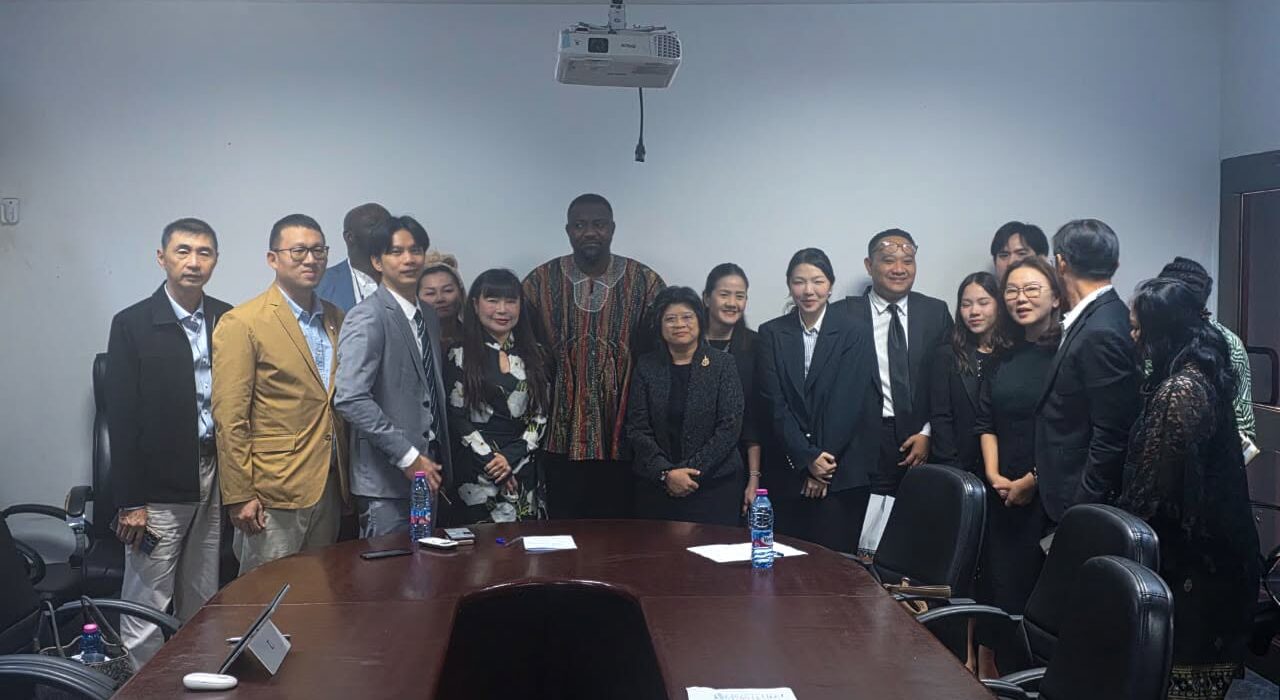
The delegation, led by the Director-General of the Department of South Asian, Middle East and African Affairs at Thailand’s Ministry of Foreign Affairs, Urasa Mongkolnavin, made the proposal during a courtesy call on Ghana’s Deputy Minister for Food and Agriculture, John Dumelo.
Discussions centred on strengthening agricultural cooperation between Ghana and Thailand, with particular emphasis on food security, sustainable agricultural development, agribusiness investment, and opportunities for public-private partnerships.
The proposed investment marks a significant shift in Thailand’s agricultural engagement with Ghana. While trade relations between the two countries have traditionally been driven by Thailand’s exports of cereals and other agricultural commodities, the planned investment in palm cultivation and processing signals a move towards local production, value addition, and long-term participation in Ghana’s agribusiness sector.
According to data from the United Nations COMTRADE database, Ghana imported goods worth approximately US$94.39 million from Thailand in 2023, with plastics and cereals accounting for a significant share of imports.
The Thai delegation included the Ambassador of Thailand to Nigeria and concurrently accredited to Ghana, Thirapath Mongkolnavin, officials from Thailand’s Ministry of Foreign Affairs, representatives of the Royal Thai Embassy in Abuja, Thai businesses, financial institutions, and members of Thai Community Ghana LBG.
Responding to the proposal, Deputy Minister John Dumelo reaffirmed the Government of Ghana’s commitment to creating an enabling environment for agricultural investment and assured the delegation of the Ministry’s support in facilitating access to suitable land for agricultural projects.
He noted that Ghana possesses significant agricultural potential and identified the Oti, Ashanti, and Ahafo Regions as areas with favourable climatic and soil conditions for large-scale palm cultivation.
The Deputy Minister further highlighted opportunities for collaboration with local farmers and encouraged investments that would strengthen the entire palm oil value chain through increased processing capacity, technology transfer, and market development.
According to Dumelo, investments in the sector have the potential to generate employment, improve farmer incomes, boost domestic production, and reduce Ghana’s dependence on imported vegetable oils while enhancing export opportunities.
He also outlined available investment incentives, including possible tax concessions on imported agricultural machinery and equipment, as well as institutional support through relevant government agencies to facilitate the successful implementation of agricultural projects.
The proposed initiative underscores the growing economic relationship between Ghana and Thailand and reflects increasing interest among Asian investors in Ghana’s agricultural sector. If implemented, the project could contribute significantly to agribusiness development, rural industrialisation, and food security while creating new opportunities for bilateral trade and investment between the two countries.
Related Posts