The United States International Development Finance Corporation (DFC) has reaffirmed its commitment to expanding investments across Africa, with a financing capacity of US$205 billion over the next five years.
The funding is expected to support strategic sectors, including digital infrastructure, energy, agriculture, healthcare and critical minerals.
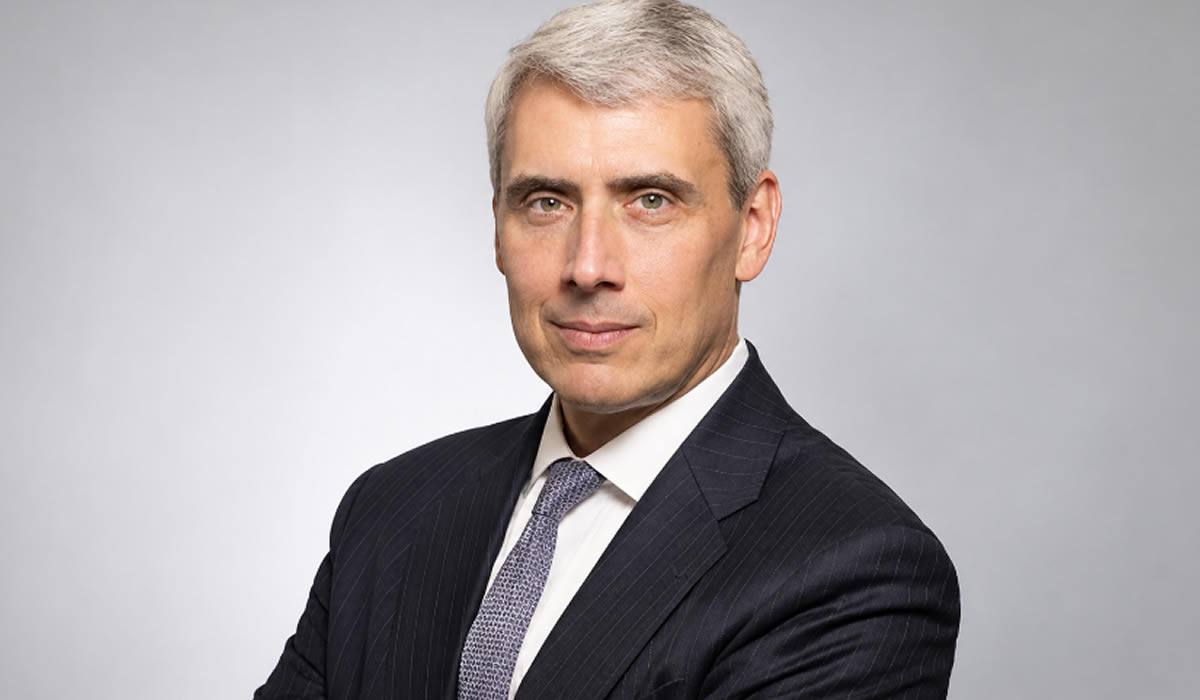
Mr Jim Kelly, DFC Vice-President for Global Business Development, said the expanded financing capacity, following the reauthorisation of the agency’s mandate in December 2025, represented a significant increase from the initial US$60 billion allocated when the institution was established in 2019.
He said the Corporation had more than US$14.5 billion in investment commitments across Africa and was seeking to mobilise additional private sector capital to support projects that could stimulate economic growth, strengthen resilience and create employment opportunities.
Mr Kelly was speaking during a digital press briefing organised by the U.S. Department of State’s Africa Regional Media Hub on the Corporation’s investment priorities and participation in the Africa Tech Festival in Cape Town.
The DFC, established in 2019, is the investment arm of the US Government, mandated to mobilise private capital for development projects in emerging markets.
Its financing instruments include direct loans, equity investments, guarantees and political risk insurance, aimed at supporting development objectives and advancing US economic and strategic interests internationally.
Mr Kelly said the expanded mandate gave the DFC greater flexibility to invest in more countries and across different levels of the capital structure, including through loans and equity investments.
He said the Corporation would maintain a disciplined investment approach guided by three principal considerations: generating appropriate returns for American taxpayers, advancing economic development in partner countries and supporting US strategic interests abroad.
He stressed that the DFC was not intended to compete with private investors but to complement commercial financing by addressing investment gaps and supporting projects that might otherwise struggle to attract funding.
“Our role is to really complement what private capital can do and not to crowd out commercial investors,” he said.
He said the Corporation could provide long-term financing, including loans with repayment periods of up to 25 years, as well as patient capital for projects requiring substantial investment and longer development periods.
Mr Kelly said the DFC would also continue to provide guarantees, political risk insurance, on-lending arrangements through local financial institutions and project development services to make investments commercially viable.
On digital infrastructure, he highlighted the Corporation’s recently approved investment in the West Indian Ocean Cable Company (WIOCC), describing it as its largest equity commitment to date.
WIOCC, a pan-African digital infrastructure company operating in more than 30 African countries, is expected to use the investment to expand its fibre networks, submarine cable systems and data centre capacity across the continent.
Mr Kelly said the investment would improve reliable connectivity for businesses, entrepreneurs and households while supporting the growth of Africa’s digital economy.
The transaction is also expected to mobilise up to US$400 million in private capital during the investment period, with the DFC working alongside partners, including Vision International Investment Company and the African Finance Corporation.
He said the investment was particularly important given the continent’s digital infrastructure deficit.
According to him, less than 40 per cent of Africa’s population used the internet, while the continent accounted for less than one per cent of global data centre capacity, despite representing close to 20 per cent of the world’s population.
He said expanding digital connectivity would help narrow the digital divide, improve access to technology and create opportunities for economic growth and employment.
Mr Kelly said the DFC’s investment strategy extended beyond physical infrastructure and critical minerals to include healthcare, financial services, agriculture and agricultural supply chains.
He said the Corporation was particularly interested in investments that could establish sustainable economic ecosystems rather than focus solely on individual projects.
On critical minerals, he said the DFC sought to play a catalytic role by mobilising private investment and supporting the development of broader value chains that would deliver tangible benefits to host countries.
He said its approach was not limited to mineral extraction but also involved strengthening supply chains and creating opportunities for long-term economic development.
“Our focus is not simply to extract minerals. It’s more along the lines of supporting a broader value chain that can create that lasting economic ecosystem,” he said.
He added that the DFC also provided project development support and feasibility studies to help transform potential investments into commercially viable ventures.
Mr Kelly said the Corporation was strengthening its engagement with private sector partners and expanding its business development capacity to identify investment opportunities across the continent.
He said the agency was positioning itself to take a more proactive approach to identifying projects rather than waiting for investment proposals to emerge.
He said Africa remained a critical region for the Corporation, adding that its investments would continue to focus on projects capable of generating sustainable economic benefits for local economies while delivering value to American taxpayers.
Source: GNA
Related Posts