
United Kingdom Prime Minister Keir Starmer has confirmed that the United Kingdom did not play any role in the recent major military operation carried out by the United States and Israel against Iran, amid rapidly escalating tensions in the Middle East.
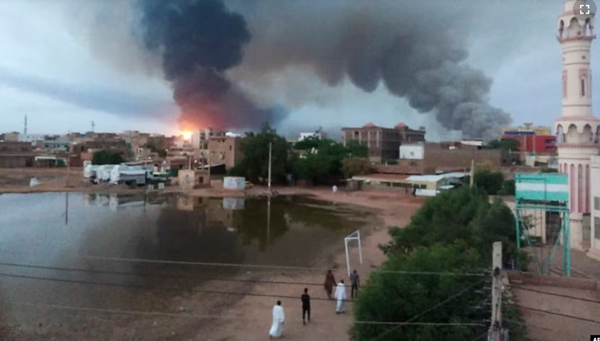
Starmer’s statement came after coordinated U.S. and Israeli airstrikes targeted multiple locations in Iran on 28 February 2026, following months of deteriorating diplomatic efforts to limit Tehran’s nuclear programme. The offensive, described by U.S. officials as a “major combat operation,” involved strikes in cities including Tehran and other strategic areas.
Iran’s retaliation was swift. Tehran confirmed missile and drone attacks against Israel and U.S. military bases in Gulf Arab states, including Bahrain, Kuwait, Qatar and the United Arab Emirates — hosting American forces.
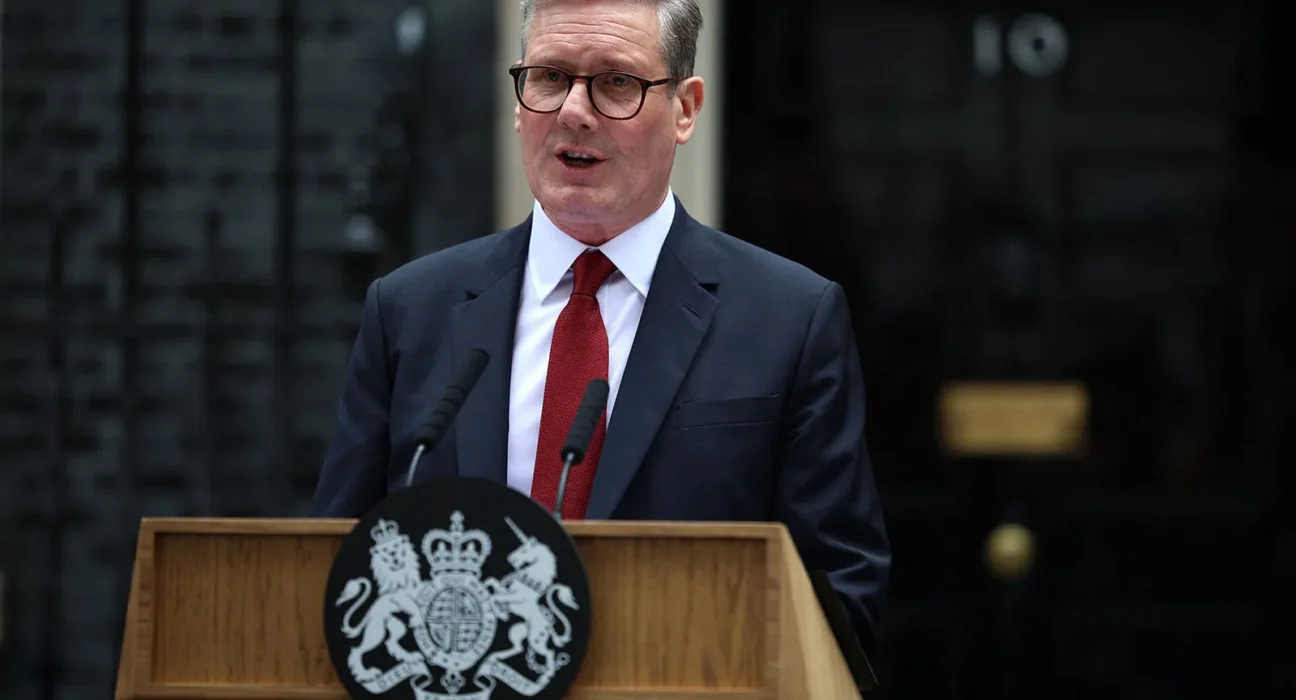
In remarks to the British public, Starmer acknowledged that the situation is evolving rapidly and pledged to set out the UK government’s response amid widespread regional concern about security and civilian safety.
“I want to set out our response. The United Kingdom played no role in these strikes,” Starmer said, emphasising that London had declined U.S. requests to use British bases or directly participate in the operation. Instead, the UK has focused on diplomatic and defensive measures.
Starmer denounced Iran’s government as “utterly abhorrent,” citing its record of domestic repression, killing of dissidents and attempts to destabilise regional security. He reiterated the longstanding British position that Iran must not be allowed to acquire a nuclear weapon.
“We have long been clear the regime in Iran is utterly abhorrent. They have murdered thousands of their own people, brutally crushed dissent, and sought to destabilise the region.”
“Even in the United Kingdom, the Iranian regime poses a direct threat to dissidents and to the Jewish community. Over the last year alone, they have backed more than 20 potentially lethal attacks on UK soil. So it is clear they must never be allowed to develop a nuclear weapon.” he said.
The prime minister condemned Iran’s recent attacks on partner nations in the region, many of which were not parties to the conflict, and extended the UK’s support and solidarity to affected states and civilians.
To protect British citizens and interests, Starmer noted that the UK has strengthened its defensive capabilities in the region, including deploying forces and maintaining a presence as part of coordinated regional defensive operations under international law.
British aircraft are reportedly active over the region, and London has raised security levels for its bases and personnel to the highest alert. The government is also reaching out to UK nationals in the Gulf to offer support and safety guidance.
Starmer said the UK continues to engage with international partners and regional leaders, stressing the urgent need to prevent further escalation and return to diplomatic negotiations to secure peace and protect civilian lives.
He appealed directly to Iran to refrain from additional strikes, discontinue its nuclear weapons programme, and end violence and repression against its own people, whom he said deserve the right to determine their own future.
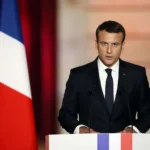
The UK’s statement mirrors those of other European leaders. France and Germany have called on Iran to seek a negotiated solution to the crisis, while also clarifying that European nations did not participate in the strikes.
Starmer reaffirmed Britain’s commitment to international stability and the protection of human life, emphasising that only a diplomatic process can halt the cycle of violence and lead to long-term peace across the Middle East.
Related Posts