The United Nations Development Program Resident Representative in Ghana, Niloy Banerjee has called for policies that translate economic growth into decent jobs, improved livelihoods and broad-based prosperity, stressing the need for stronger development financing and investment in productive sectors.
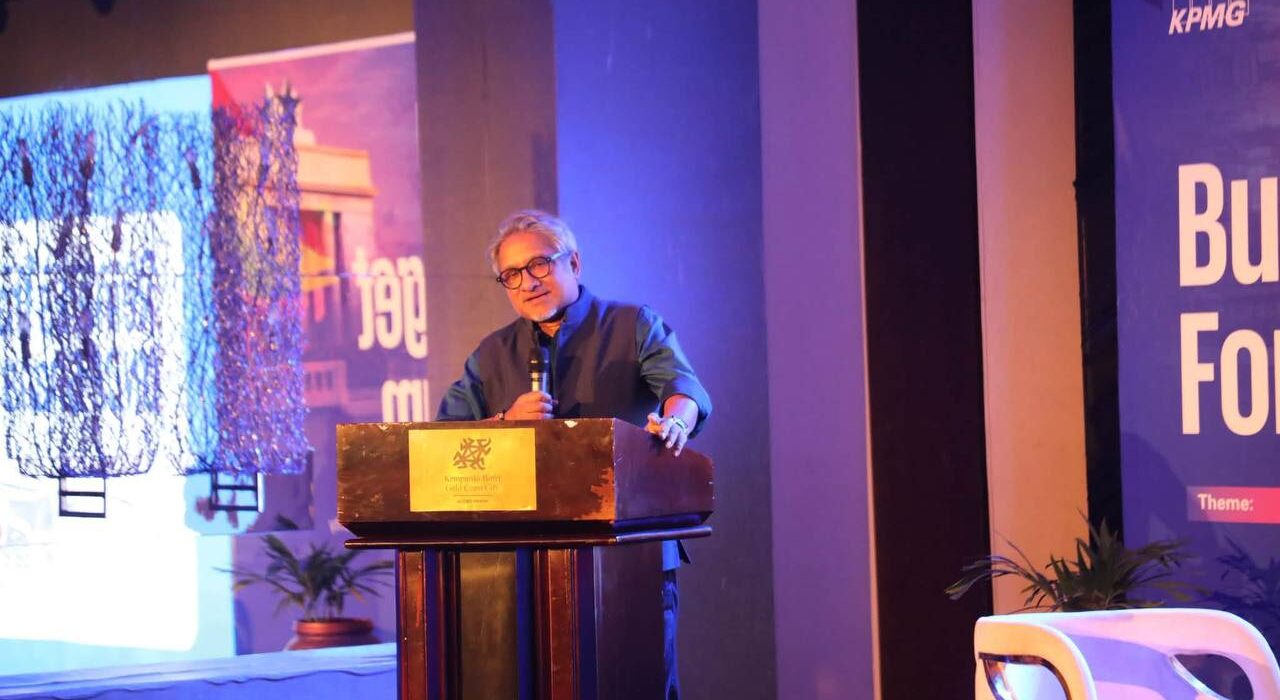
He made the call at the KPMG-UNDP 2027 Budget Forum on Thursday, November 19, where he identified agriculture and Micro, Small and Medium Enterprises (MSMEs) as important drivers of job creation, productivity and inclusive economic growth.
He stressed that Ghana’s development priorities must go beyond recording improvements in macroeconomic indicators to ensuring that ordinary citizens experience the benefits through better employment opportunities, improved incomes and a lower cost of living.
The UN official acknowledged the difficulty of translating economic growth into decent jobs and improved living standards but expressed confidence that Ghana could achieve the desired transformation.
Drawing inspiration from Ghana’s first President, Dr Kwame Nkrumah, he urged the country to remain focused on its development ambitions.
“But I’m sure we can do it, like the founding father said, we don’t look east, we don’t look west, we look forward,” he stated.
His remarks come as the government begins implementing its four-year US$10 billion New Economy Programme, introduced by Finance Minister Dr Cassiel Ato Forson in the 2027 Budget to move Ghana from economic stabilisation towards production-led growth, industrial expansion and job creation.
The programme, which runs from 2027 to 2030, will focus on eight areas: macroeconomic stability and affordable finance, commercial agriculture, energy infrastructure, critical minerals value addition, tourism and the creative arts, textiles and garments, pharmaceuticals and biomanufacturing, and the technology economy.
Government has earmarked GH¢30 billion for the initiative in 2027, representing 1.5 per cent of Gross Domestic Product (GDP), with US$3 billion of the overall four-year commitment designated for commercial agriculture.
The initiative is intended to expand domestic production, increase local processing of raw materials, strengthen businesses and create sustainable employment opportunities.
The KPMG-UNDP Budget Forum brought together policymakers, business leaders and development stakeholders to examine the 2027 Budget, assess its implications for businesses and investors, and discuss how its policy commitments can translate into measurable economic outcomes.
Related Posts