
The sharp increase in refugees in need of aid has placed a significant strain on WFP food assistance programmes in Burundi.
Since January 2025, nearly 70,000 people – mainly women, children and the elderly – have fled fighting in DRC to Burundi, many making dangerous river crossings and walking long distances in search of safety.
More continue to arrive each day, adding to what is already the largest influx into Burundi in decades. Cross border movement into DRC’s other neighbours, including Rwanda, Uganda and Tanzania, is also increasing due to the escalating conflict in the country’s east and this threatens to worsen hunger across the region.
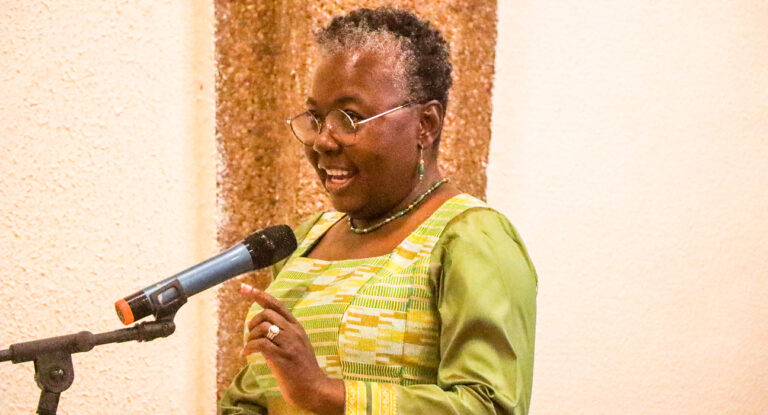
“Refugees are arriving every day, some weighed down with hastily packed bundles and suitcases, and others with nothing but the clothes on their backs,” said Dragica Pajevic, WFP’s Deputy Regional Director for eastern Africa, who is currently on the ground supporting operations in Burundi.
“The number of refugees has doubled in just a few weeks, but funding has not kept pace. Our available resources are stretched beyond capacity, and we are being forced to adapt our operations and reduce rations to reach as many people as possible.”
Of the 70,000 people who have arrived in Burundi from DRC in recent weeks, 60,000 have been registered for food assistance, doubling WFP’s total refugee caseload to 120,000 in just a few weeks.
WFP is providing hot meals to the new Congolese refugees, who are housed in temporary transit camps, schools, churches and sports stadiums.
Meanwhile, WFP’s existing refugees are receiving food rations – provided as a mix of in-kind food and cash. But to stretch limited resources, WFP was forced in March to reduce rations for existing refugees from 75 percent to 50 percent.
WFP currently only has the funds to sustain operations for 120,000 refugees through June. Without additional financial support, WFP will be forced to suspend food assistance entirely from July – or even earlier as refugee numbers continue to increase as conflict in eastern DRC intensifies.
The agency urgently needs US$19.8 million to maintain adequate support to the most vulnerable until the end of the year.
Source: africanews.com
Related Posts