

The United Nations Secretary-General, Antonio Guterres has expressed grave concern over the United States’ January 3 military operation in Venezuela, stating that international law and the UN Charter were not respected during the action that led to the arrest of President Nicolás Maduro.
Addressing the UN Security Council, the Secretary-General said the large-scale U.S. military strikes across Caracas and the northern Venezuelan states of Miranda, Aragua, and La Guaira risk further destabilising an already fragile country and region. He warned that the operation could set a dangerous precedent for relations among states. His remarks were delivered by Ms. Rosemary A. DiCarlo, Under-Secretary-General for Political and Peacebuilding Affairs.
“The prohibition of the threat or use of force against the territorial integrity or political independence of any state is a cornerstone of the UN Charter,” he said, stressing that adherence to international law is essential for the maintenance of global peace and security.
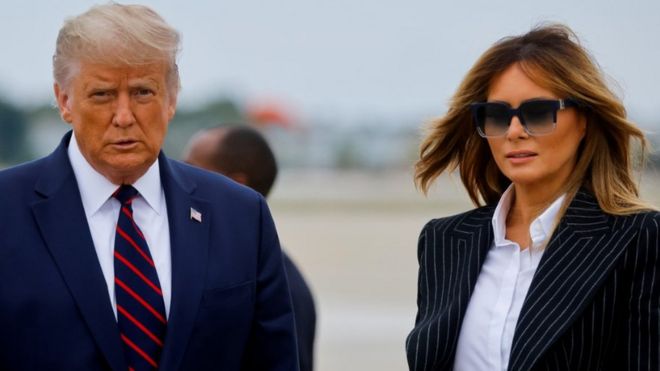
According to the UN chief, the full extent of casualties resulting from the operation remains unclear. However, he noted that President Donald Trump publicly announced the strike and later stated that the United States would “run the country” during a transitional period following Maduro’s capture.
The Government of Venezuela has condemned the action as a military aggression carried out in civilian and military areas, describing it as a flagrant violation of international law and a threat to regional peace. President Maduro and his wife, Cilia Flores, are currently being held in New York, facing criminal charges brought by U.S. authorities.
The Secretary-General said the future of Venezuela remains uncertain, warning of the potential escalation of instability and spillover effects across the region. He recalled that Venezuela’s crisis has been a matter of international concern for years, particularly following the disputed July 2024 presidential elections and documented human rights violations.
He also referenced the emergency decree invoked by interim President Delcy Rodríguez, which extended additional security powers across the country in response to the unfolding crisis.
Despite the severity of the situation, the UN chief said it is still possible to prevent a wider conflict. He called on all Venezuelan actors to engage in an inclusive and democratic dialogue that respects human rights, the rule of law, and the sovereign will of the Venezuelan people.
He further urged Venezuela’s neighbours and the international community to act in solidarity and in strict adherence to international law, emphasising that existing legal frameworks provide tools to address issues such as narcotics trafficking, resource disputes, and human rights concerns.
“In situations as confused and complex as the one we now face, it is important to stick to principles. Respect for the UN Charter and all other applicable legal frameworks to safeguard peace and security. Respect for the principles of sovereignty, political independence and territorial integrity of states. The prohibition of the threat or use of force. The power of the law must prevail. International law contains tools to address issues such as illicit traffic in narcotics, disputes about resources and human rights concerns” he said
Related Posts