
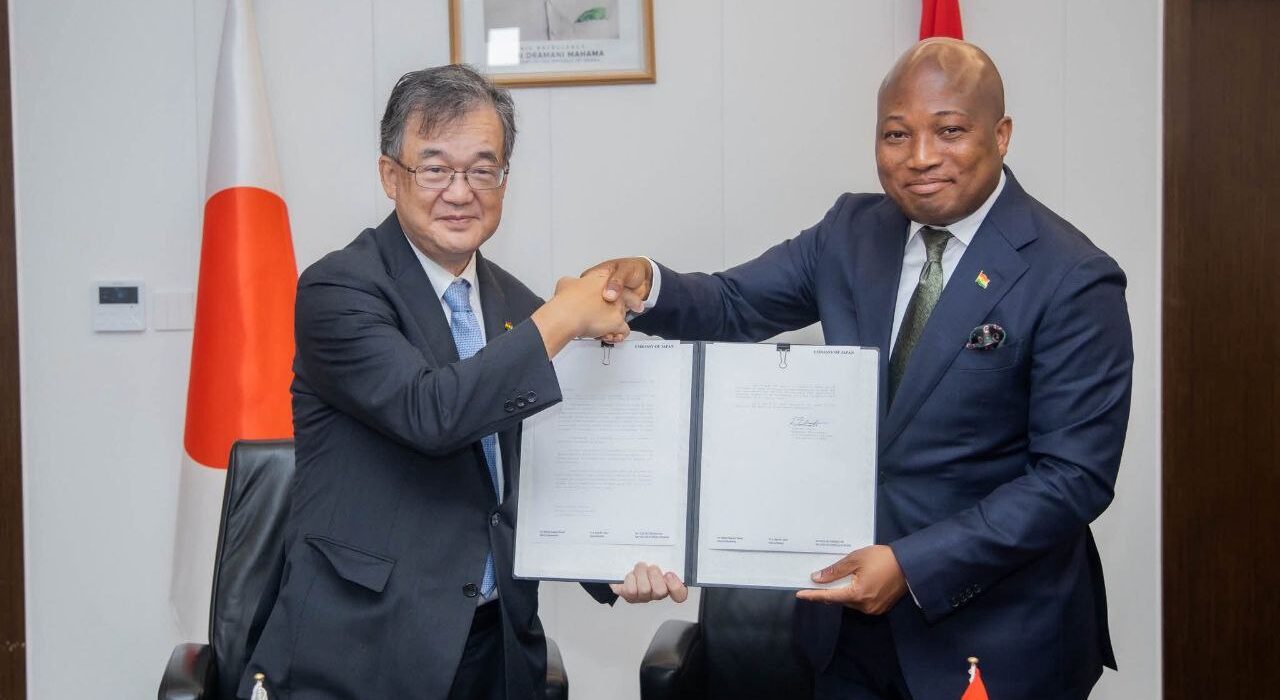
Ghana has secured a US$20 million grant from the Government of Japan to improve healthcare delivery in selected hospitals in the Northern Region, marking a significant boost to the country’s health infrastructure.
The grant is expected to support critical upgrades in medical equipment, service delivery capacity and hospital systems, particularly in facilities struggling with heavy patient loads.
The intervention comes at a crucial time for northern Ghana’s healthcare system, which has faced mounting pressure in recent years. The Tamale Teaching Hospital (TTH), the only tertiary referral facility serving the Northern, Upper East, Upper West, North East and Savannah Regions, has experienced persistent congestion, overstretched resources and periodic breakdowns of critical medical equipment due to overuse.
Tamale Teaching Hospital serves a catchment population estimated at over five million people across northern Ghana and parts of neighbouring Burkina Faso. The hospital has more than 800 beds but frequently operates beyond capacity, with emergency units and specialist departments reporting overcrowding and equipment strain. Health sector assessments have highlighted shortages in advanced diagnostic tools, dialysis units and intensive care facilities in the region.
According to Ghana Health Service data and the 2022 Health Sector Performance Report, doctor-to-patient ratios remain significantly lower in northern Ghana compared to the national average. Infrastructure gaps and limited specialist availability continue to weaken healthcare outcomes in the region.
The Japanese grant is therefore expected to ease systemic pressure and strengthen service delivery frameworks. It aligns with Japan’s broader development cooperation with Ghana, particularly in health, education and infrastructure under Japan’s Official Development Assistance (ODA) programme.
The grant agreement was signed by the Japanese Ambassador to Ghana, Hiroshi Yoshimoto, symbolising Japan’s continued commitment to supporting Ghana’s socio-economic development. Japan has previously supported Ghana’s health sector through the provision of medical equipment, cold chain systems for immunisation and infrastructure projects under the Japan International Cooperation Agency (JICA).
The funding also fits into Ghana’s broader push toward strengthening domestic health systems and reducing reliance on external medical referrals. The initiative resonates with the objectives of the Accra Reset Initiative, a policy framework championed by President John Dramani Mahama, which advocates for robust, African-owned systems and sustainable public sector reforms, with health positioned as a foundational pillar for economic resilience.
Strengthening tertiary facilities in northern Ghana would reduce costly medical transfers to southern hospitals such as Korle Bu Teaching Hospital and Komfo Anokye Teaching Hospital. Upgrading facilities in Tamale and surrounding regions is expected to improve maternal and neonatal care outcomes, trauma response capacity and chronic disease management.
With the US$20 million injection, Ghana moves closer to narrowing regional disparities in healthcare delivery. The investment is expected not only to improve access and quality of care in northern Ghana but also to reinforce international partnerships aimed at building resilient health systems capable of meeting growing population demands.
Related Posts