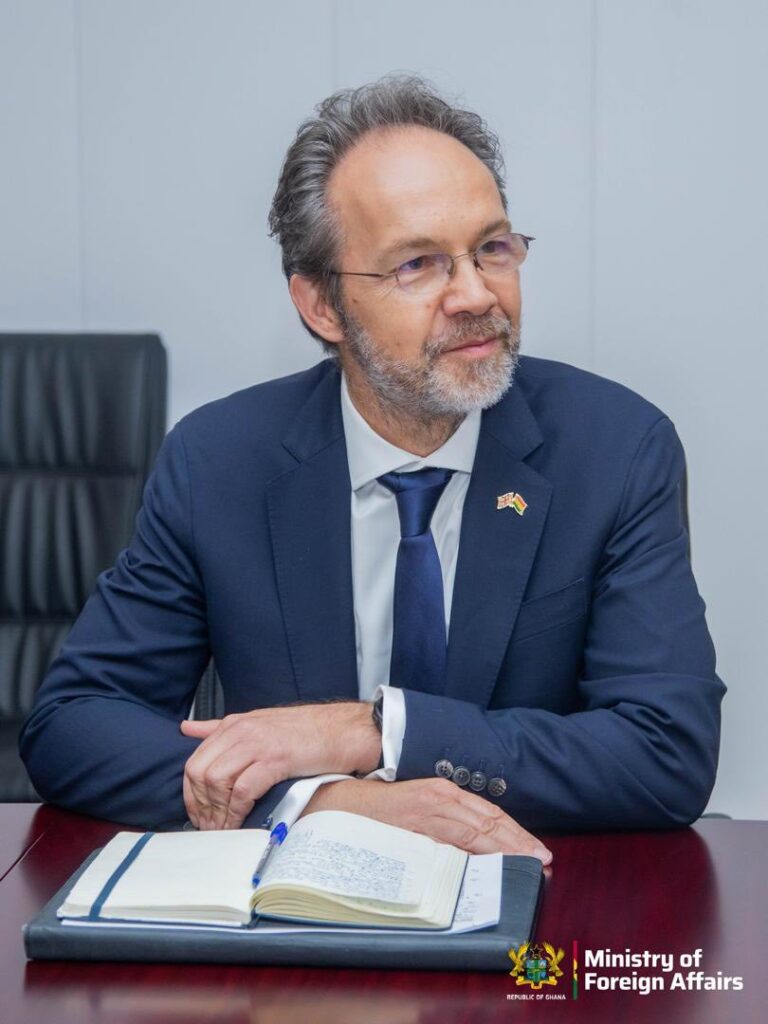

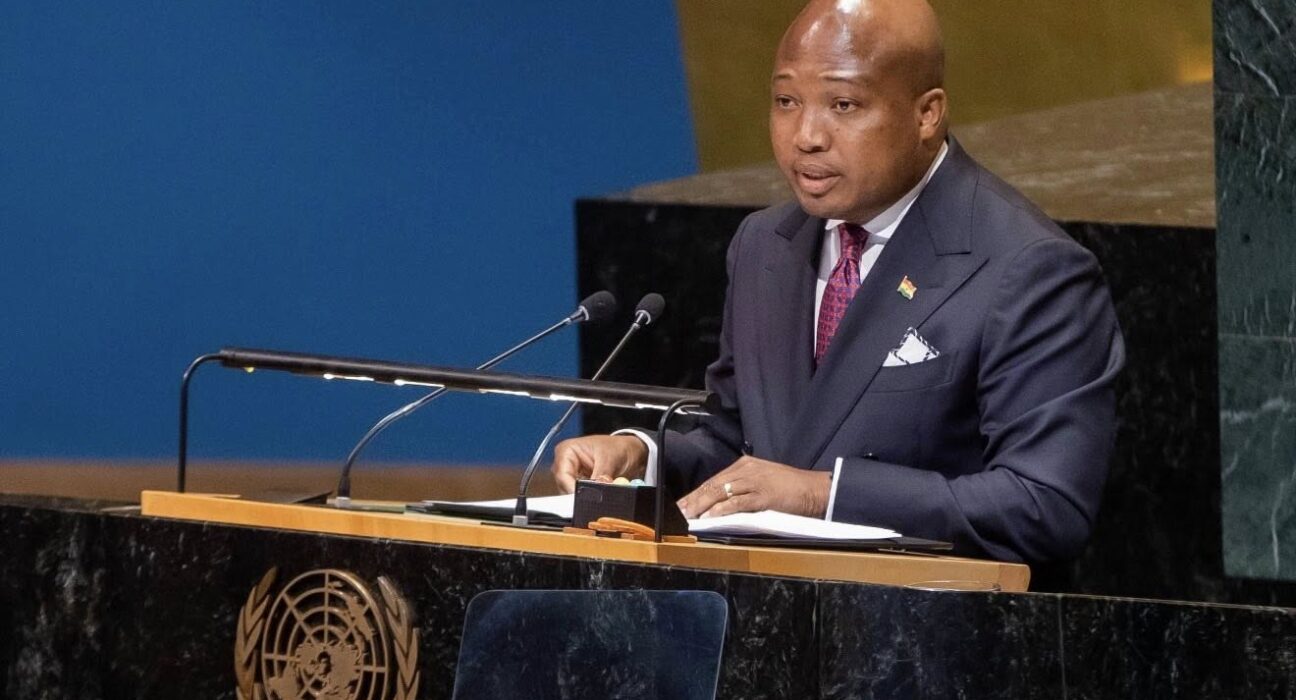
Minister for Foreign Affairs, Samuel Okudzeto Ablakwa, has hinted that the United States representative at the United Nations who voted against the resolution declaring the Transatlantic Slave Trade as the gravest crime against humanity may face backlash from the Congressional Black Caucus.
According to Ablakwa, the 62-member caucus had earlier written to the U.S. envoy urging support for the resolution. However, the ambassador voted against it, joining Argentina and Israel in dissent.
He indicated that the decision may place the envoy in a difficult position with the caucus, especially after it had publicly and unanimously backed Ghana’s resolution ahead of the vote.
Ablakwa explained that Ghana undertook extensive consultations with various stakeholders, including the Congressional Black Caucus, the NAACP, the National Action Network, and civil rights activist Reverend Al Sharpton, to build broad-based consensus.
He also noted support from members of the UK House of Commons, particularly Bell Ribeiro‑Addy, who advocated for the United Kingdom to clearly declare its stance on the resolution.
“I personally met with the Congressional Black Caucus. I met with the NAACP. I met with the National Action Network, which is led by Reverend Al Sharpton,” Ablakwa said.
“And I am delighted to note that following our meetings, they all publicly endorsed this draft resolution. The Congressional Black Caucus actually wrote to the U.S. Ambassador here to make sure that he votes in favor of this resolution. I’m sure he’s really in trouble with the Congressional Black Caucus, 62 congressmen who urged him to vote positively, and he’s defied them.” he added.
Ablakwa further stated that the overwhelming vote in favour of the resolution sends a strong message that the international community will not tolerate impunity.
“And so all of us as leaders should be mindful of our actions and our policies. Once we engage in impunity, in acts of injustice, the day of reckoning will come. To me, that is a very profound message that the UN is sending to the world today,” he said.
The United States representative, however, opposed the resolution, arguing that it was problematic and sought to rank crimes against humanity, which the U.S. could not accept. The representative also argued that the United Nations exists primarily to maintain international peace and security rather than advance what it described as narrow or specific interests.
While the United States, Argentina, and Israel voted against the resolution, the African bloc voted unanimously in favour, alongside 123 member states, leading to the adoption of the historic resolution recognizing the Transatlantic Slave Trade as the gravest crime against humanity.
Related Posts