
Amid escalating tensions in Sudan, General Yasser al-Atta, representing the country’s military, has delivered a resolute stance: there will be no ceasefire during the forthcoming Islamic holy month of Ramadan unless certain conditions are met.
This declaration underscores the entrenched conflict between Sudan’s armed forces and the paramilitary Rapid Support Forces (RSF), revealing the complexity of the nation’s political landscape.
At the heart of the matter lies a crucial demand from the military: the RSF must withdraw from civilian and public spaces, a condition predicated on a commitment forged during mediated talks in Jeddah last May. This stipulation, deemed essential by al-Atta, epitomizes the military’s determination to uphold previously established agreements and restore order in the strife-torn nation.
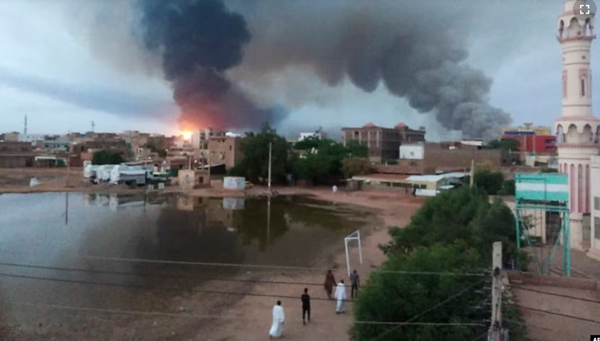
The conflict between the army and the RSF erupted in mid-April 2023, sparked by disagreements over the trajectory of Sudan’s transition to civilian rule. Since then, the fighting has exacted a heavy toll on the country, leaving swathes of land ravaged, communities displaced, and infrastructure decimated. While the RSF initially gained ground, recent reports suggest a potential shift in momentum, with the army making strategic advancements, particularly in regions like Omdurman.
However, the road to peace remains fraught with challenges. The RSF’s response to the military’s demands remains uncertain, and previous attempts to broker ceasefires have faltered in the face of deep-rooted animosities and power struggles. Moreover, the humanitarian crisis unfolding in Sudan demands urgent attention, with millions of civilians grappling with displacement, hunger, and deprivation.
International actors, including the United Nations and the United States, have condemned the violence and urged all parties to prioritize peace and humanitarian assistance. Yet, achieving lasting reconciliation in Sudan requires navigating a complex interplay of political dynamics, ethnic tensions, and humanitarian imperatives.
Source: africanews.com
Related Posts