
The U.N. says an estimated 60 million people in southern Africa are food insecure due to the El Nino-induced drought — and the problem is not only in Malawi, Zambia and Zimbabwe, countries that have made international appeals for help.
In a statement, the U.N.’s Food and Agriculture Organization said Angola, eSwatini, Madagascar, Mozambique, and Tanzania are also being affected by the drought hitting southern Africa.
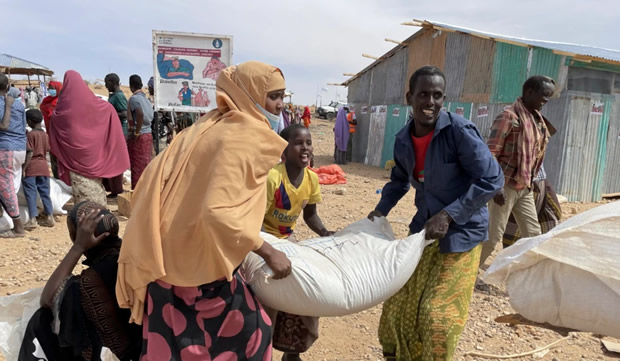
Plaxedes Madzikatire, who lives about 100 kilometers south of Harare, is one of the millions struggling to cope with the drought. She is getting $65 a month from the World Food Program (WFP) which she is using to take care of her four children after her crops dried up and died.
She said from the money, $25 is used to pay for food and $20 for school fees. She uses the remaining $20 to finance and upgrade her business of selling hoes and axes she makes from scrap metal. She’s hoping the WFP can extend its assistance by a few more months.
WFP winds up assistance in Madzikatire’s area next month, but the organization hopes to restart soon — and in the whole of Zimbabwe — as the effects of the El Nino drought intensify.
In a recent interview via Skype from Zambia’s capital Lusaka, WFP Executive Director Cindy McCain, who was visiting the region to assess the impact of drought, described it as a disaster.
“These people have lost everything,” she said. “They have no income. They have no way of surviving without assistance for the whole year because their next growing season will not be harvested until next May. These people depend on the stores they get from their crops, they didn’t get any this time.”
McCain said the recurrence of droughts due to climate change calls for greater investment into weather forecasts so people can be prepared for what is coming.
And that’s not all, she said. Drought-resistant crops and good water-management practices can help, too.
“We should treat and manage this drought crisis, the same way we would an emergency crisis in a war zone, let’s say,” she said. “This is very serious and can devastate a country. So, it’s important that we can better use the tools we have and offer new science and technology to help farmers to be able to grow.”
Last month, at a virtual summit of SADC heads of state and government on the El Nino-induced humanitarian crisis, regional leaders appealed for $5.5 billion.
The FAO says as El Nino’s grip loosens, La Nina looms and the region should brace for new challenges, as that weather phenomenon usually leads to heavy rainfall and flooding, leading to crop damage and displacement of people.
Source: voanews.com
Related Posts