

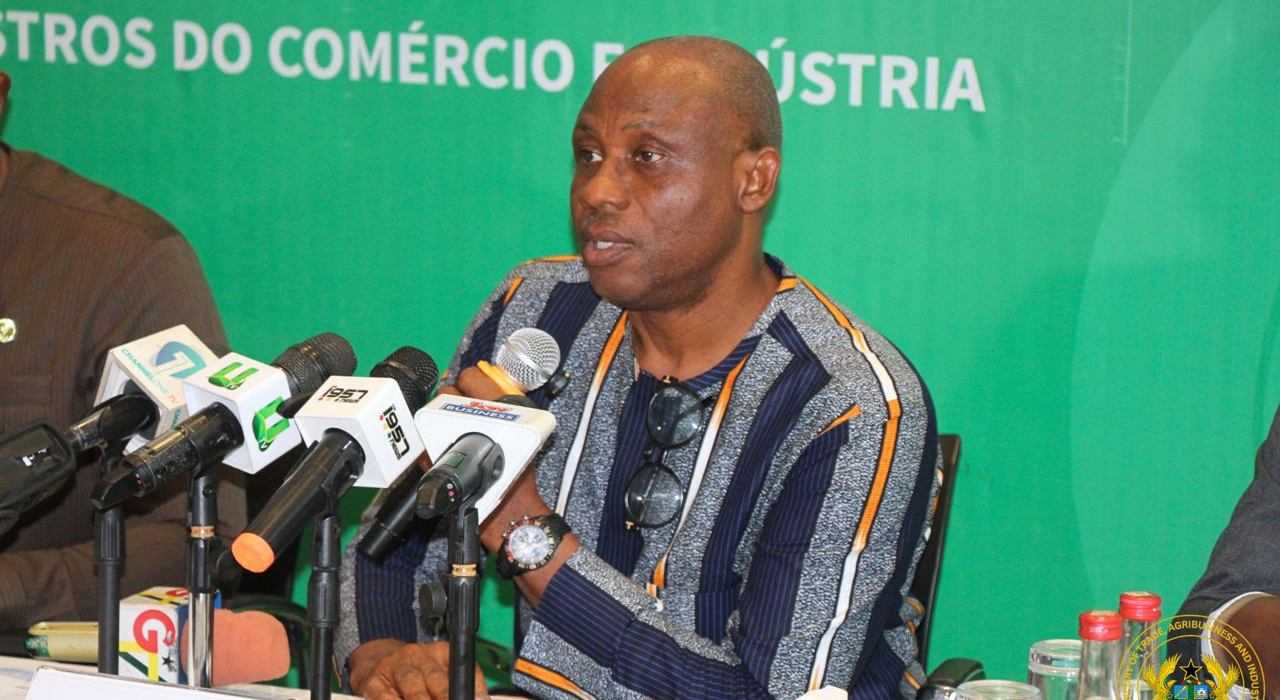
The Acting Director of Private Sector and Industry at the Economic Community of West African States (ECOWAS), Oluonye Peter Chukwudi, has assured that central governments across West Africa are taking steps to address insecurity, which continues to threaten the full potential of cross-border trade in the sub-region.
Speaking at a press briefing ahead of the Fifth ECOWAS Ministerial Meeting on Trade and Industry, he acknowledged that violent extremism remains a major obstacle to regional trade and investment, particularly in border communities where insecurity continues to disrupt the free movement of goods and services.
He noted that restrictions on movement caused by terrorist activity, especially in Sahelian border zones, are weakening trade flows and reducing the economic benefits that should accrue from regional integration.
“There is no doubt that political risk, particularly insecurity, hampers not only the flow of trade, but investment is a very shy phenomenon that responds to the security environment. So to that extent, we will not deny that it is weakening the flow of trade because if you cannot move freely in the region, then you cannot exploit or optimise the trade benefits that exist in every corner of the region,” he stated.
West Africa’s trade corridors, particularly those linking coastal economies to the Sahel, have increasingly been disrupted by violent extremist activity linked to groups operating across the central Sahel region.
According to the United Nations Development Programme (UNDP), insecurity in the Sahel has significantly undermined local economies by restricting mobility, destroying infrastructure, and displacing communities that form part of informal cross-border trade networks.
Similarly, the World Bank has reported that insecurity in the Sahel and parts of the Lake Chad Basin has reduced trade flows by increasing transport costs, discouraging investment, and forcing the closure of key border routes that support regional commerce.
These disruptions are particularly severe along critical trade corridors linking Burkina Faso, Mali, Niger, and coastal ECOWAS states, where insecurity has led to repeated border closures and the rise of informal and unregulated trading routes.
Despite these challenges, intra-regional trade within ECOWAS remains significantly below its potential. According to the African Development Bank (AfDB) and UNCTAD, trade within West Africa accounts for only about 10–15% of total regional trade, compared to over 60% in the European Union, indicating substantial untapped economic opportunity.
Trade experts have noted that with improved infrastructure, harmonised trade regulations, and enhanced security along key corridors, ECOWAS could significantly expand intra-African commerce, particularly under the African Continental Free Trade Area (AfCFTA), which aims to create a single continental market for goods and services.
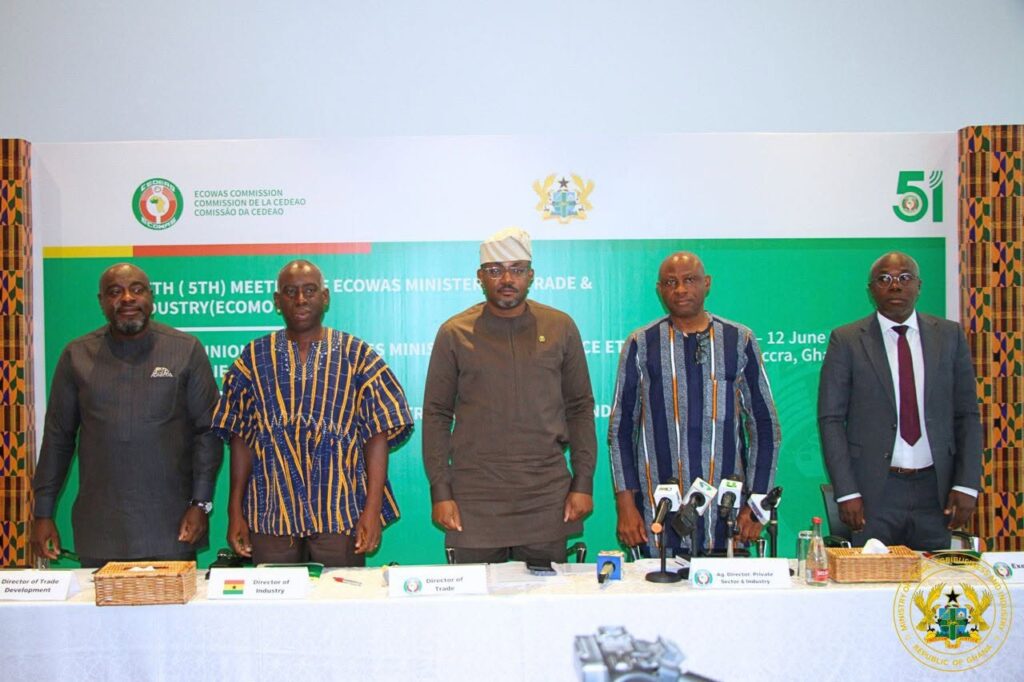
The high-level meeting of ECOWAS Trade and Industry Ministers is aimed at consolidating a coordinated regional roadmap following preparations toward the 14th World Trade Organization Ministerial Conference. Discussions are expected to focus on critical multilateral trade issues, including agricultural subsidies, fisheries, e-commerce, and dispute settlement reform.
The meeting will also provide ministers with an opportunity to review recommendations from the Meeting of Industry Experts, assess progress made under the regional industrialisation agenda, and identify practical measures to address persistent challenges to economic integration and industrial development across the sub-region.
Related Posts