
Germany has reiterated its commitment to fostering peace and security in the Sahel as part of efforts to counter terrorism and violent extremism, which continue to cause loss of life, displacement, and widespread insecurity across the region.
Berlin has consistently supported initiatives under the coordinated framework of the European Union to maintain stability in the Sahel, a region that has increasingly become the epicentre of terrorism and has eroded much of the continent’s security gains over the past decade.
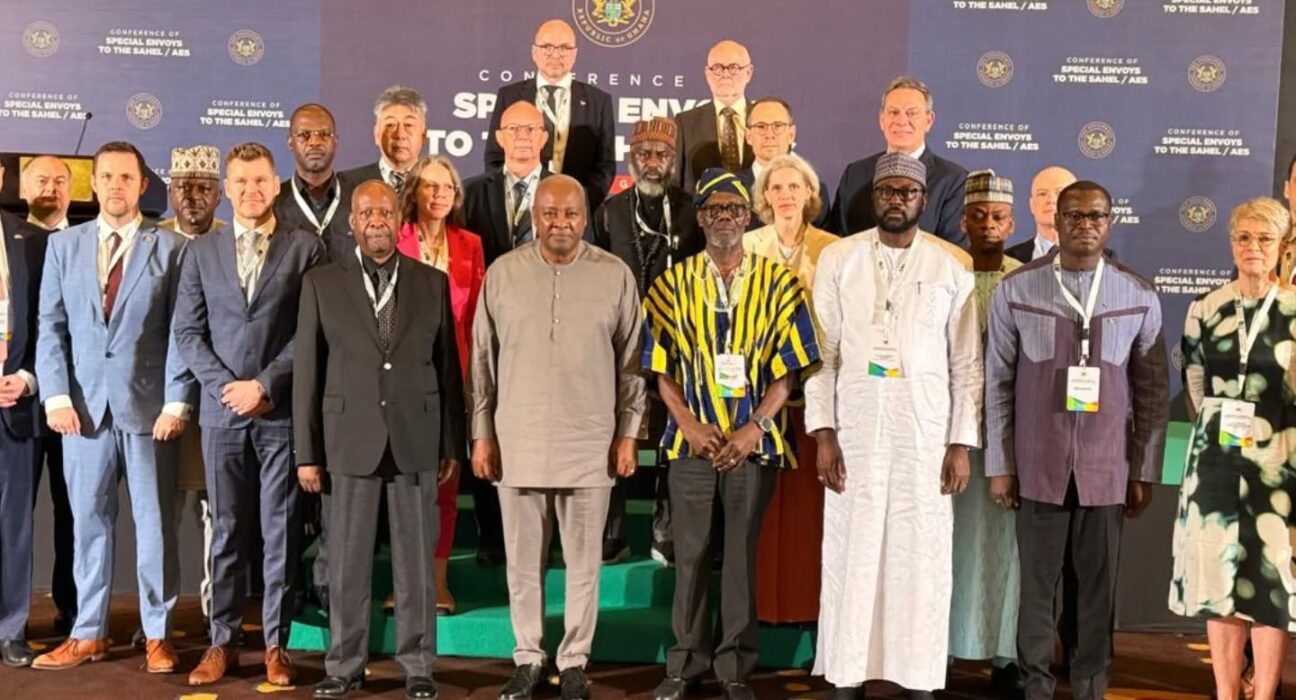
This commitment was underscored during the Conference of Special Envoys to the Sahel held in Accra, which brought together representatives from Sahel countries, regional stakeholders, and international partners. The meeting, convened with the support of President John Mahama of Ghana, aimed to strengthen dialogue and cooperation on regional security and development challenges.
Germany participated in the conference alongside other partners, emphasizing the need for coordinated regional and cross-border responses to counter terrorism, strengthen resilience, and prevent the spread of extremist violence. Officials noted that lasting stability in the Sahel cannot be achieved through military means alone. Promoting development and creating economic opportunities, particularly for young people, are critical to addressing the root causes of violent extremism.
Germany therefore remains actively engaged in efforts to improve livelihoods and tackle the structural drivers of instability in the Sahel. At the same time, Berlin is working with coastal West African states to prevent the spillover of violence and strengthen resilience and cooperation in border areas. These efforts are embedded in the European Union’s renewed approach to the region, guided by shared interests in security, stability, and sustainable development.
Several existing policies and initiatives exemplify this approach: the Alliance for the Sahel, jointly launched by Germany, France, and the EU, coordinates development support to the region; the EU has also pledged €10 million in funding to assist forcibly displaced people and the communities hosting them in Benin, Côte d’Ivoire, Ghana, and Togo. Through the Gulf of Guinea Joint Response Plan, four UN agencies provide targeted support to refugees, asylum seekers, and host communities affected by displacement and insecurity.
Despite these efforts, the Sahel remains one of the world’s poorest regions, grappling with extreme poverty, climate change, recurring food crises, rapid population growth, fragile governance, and unresolved internal tensions. Germany and the EU’s coordinated interventions aim to tackle these challenges, strengthen resilience, and create sustainable pathways for development and lasting stability across the region.
Related Posts