
Ghana has positioned itself at the forefront of efforts to strengthen Africa’s participation in the global shea value chain, calling for deeper international cooperation and a shift toward value-added production at the opening of SHEA 2026.
The call was made at the opening of SHEA 2026, hosted by the Global Shea Alliance with support from the 24-Hour Economy and Accelerated Export Development Secretariat. The conference, held in Accra, brought together participants from 21 African countries and international partners to discuss the future of the sector.
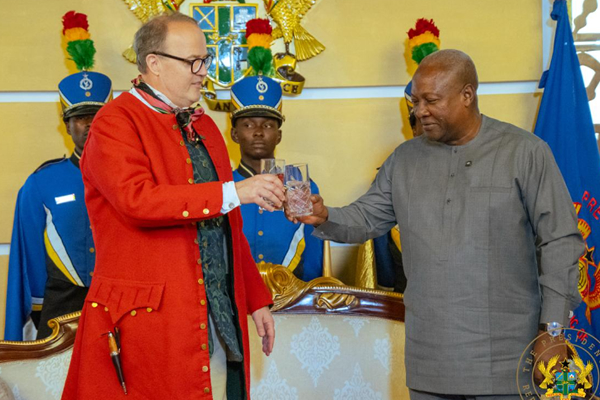
Since its inauguration in 2011 by former President John Dramani Mahama, the Alliance has played a key role in advancing Africa’s shea industry through policy advocacy, market expansion and capacity building. Over the years, the sector has evolved into a major contributor to rural livelihoods, particularly in West Africa, where shea production supports millions of women engaged in harvesting and processing.
Speakers at the conference emphasised the urgent need for Ghana and other producing countries to move beyond exporting raw shea nuts toward processing and industrialisation, in line with the government’s broader economic transformation agenda.
In Ghana, the shea industry remains a vital source of income for hundreds of thousands of women, sustaining households and contributing significantly to local economies across the northern savannah belt.
As global demand for shea products continues to rise, particularly in the cosmetics and food industries stakeholders stressed the importance of investing in processing, innovation and market access to ensure Ghana captures a larger share of the value chain.
The government’s 24-hour economy policy was also highlighted as a key driver in boosting productivity, creating jobs and strengthening value chains within the sector.
Participants further underscored the need for sustainability measures, including the protection of shea parklands, improved soil fertility and targeted.
Related Posts