
Ghana is set to host a high-level “Next Steps Conference” on reparatory justice in Accra from June 17 to 19, 2026, following a landmark resolution by the United Nations General Assembly on the transatlantic slave trade.
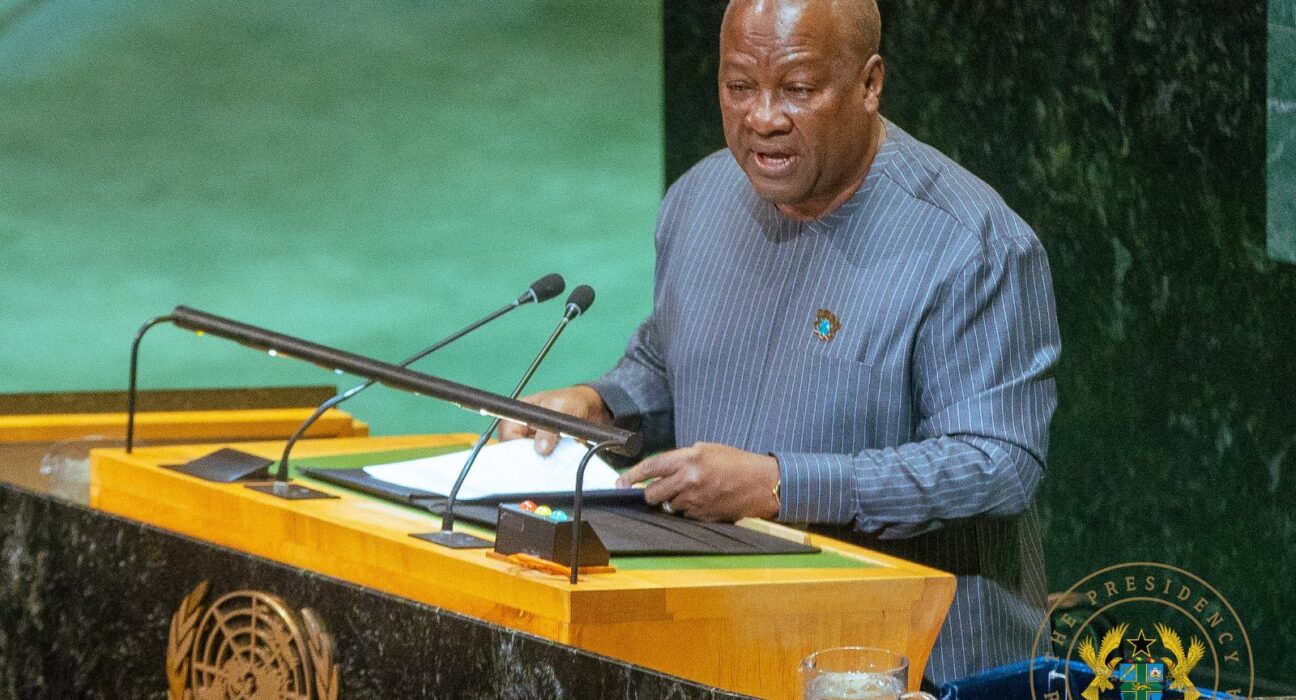
The summit comes in direct response to Resolution A/RES/80/250, adopted on March 25, 2026, which formally declared the transatlantic slave trade as the gravest crime against humanity. The resolution secured overwhelming support, with 121 member states voting in favour, three voting against, and 52 abstaining.
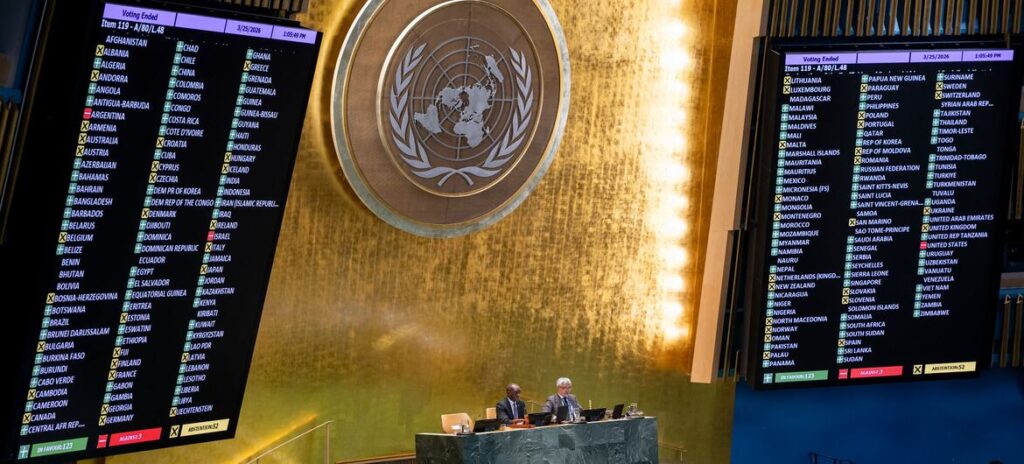
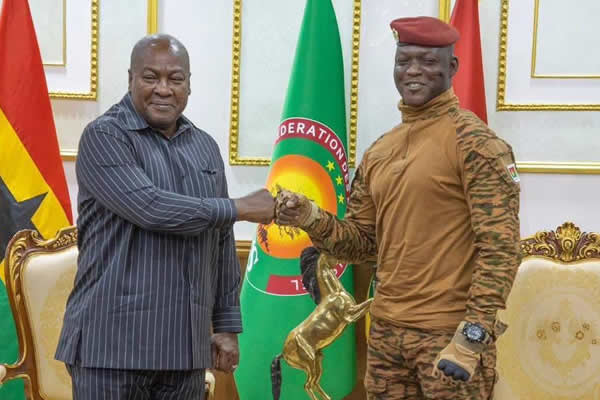
The conference will be convened under the auspices of John Dramani Mahama and is aimed at translating the UN resolution into actionable frameworks. Discussions are expected to focus on legal pathways, accountability mechanisms, restitution of cultural heritage, and institutional reforms.
The gathering will feature three main thematic panels, Global Advisory, Restitution, and Legal Pathways, bringing together heads of state, ministers, academics, civil society actors, international organisations, and subject-matter experts to drive comprehensive dialogue on reparatory justice.
A key highlight of the conference will be a Juneteenth commemoration at Osu Christiansborg Castle, a former seat of colonial administration and a powerful symbol of the transatlantic slave trade. The event will serve as a moment of remembrance, healing, and solidarity with the African diaspora.
The conference seeks to sustain global momentum on reparatory justice by developing policy frameworks and institutional mechanisms capable of translating the UN resolution into tangible global action. Key focus areas include strengthening legal frameworks for reparations, enhancing international cooperation, and amplifying Africa’s collective voice on historical justice.
Expected outcomes include concrete recommendations and action plans for both continental and global engagement, as well as strengthened collaboration among African states and international partners.
By hosting the conference, Ghana is positioning itself at the forefront of the global reparations movement, reinforcing calls for justice, accountability, and historical recognition. The initiative underscores the country’s commitment to transforming a historic UN declaration into meaningful international dialogue and policy action on reparatory justice.
Story by: Francis Sowah
Related Posts