
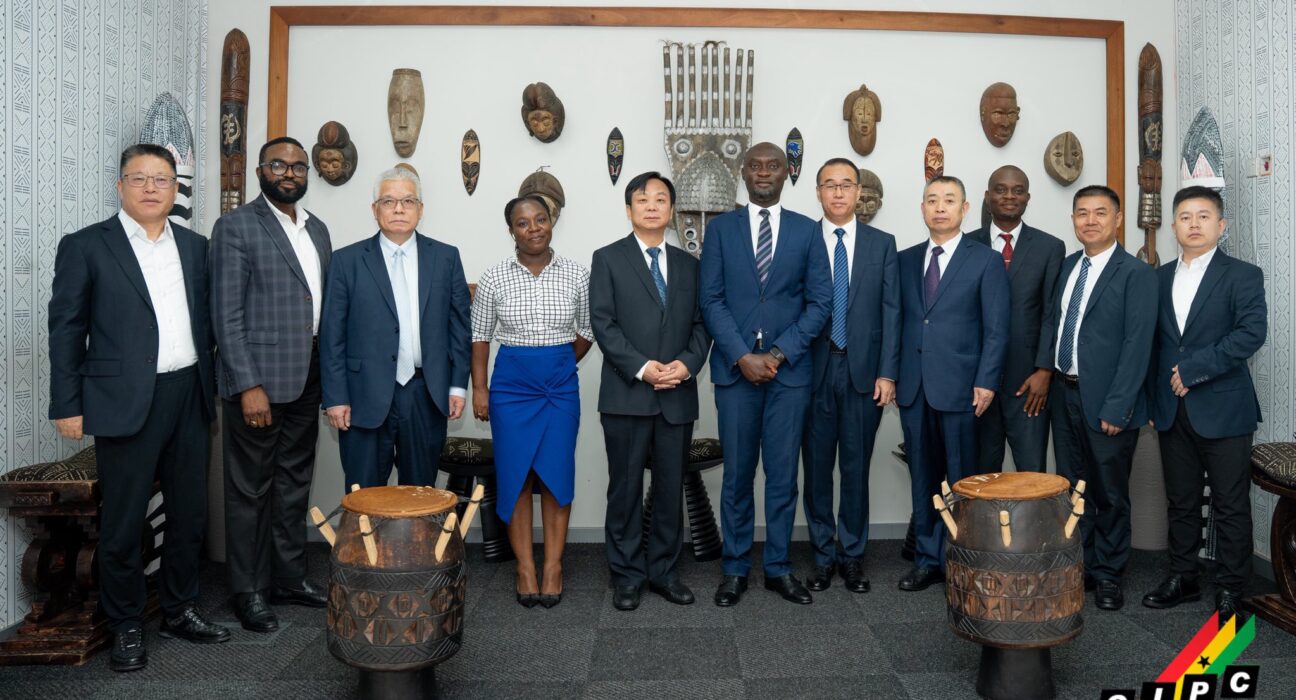
The Ghana Investment Promotion Centre (GIPC) has hosted a high-level delegation from Shanxi Province of the People’s Republic of China as part of efforts to explore strategic avenues for economic cooperation between Ghana and the Chinese province, amid China’s broader push to further open its market to foreign partners.
The engagement provided a platform for the delegation to outline Shanxi Province’s evolving economic outlook, highlighting its transition from a traditionally resource-based economy into a more diversified and modern industrial hub. Long recognised as one of China’s major coal-producing regions, Shanxi is now actively repositioning itself by expanding into advanced manufacturing, clean energy technologies, logistics, and value-added industrial production.
With a population of approximately 36 million, Shanxi Province maintains a large domestic market and a resilient economic base. The province recorded 5.5 per cent GDP growth, exceeding its first-half 2025 growth target by three percentage points and outperforming its 5.3 per cent growth rate in the previous year. This performance underscores Shanxi’s capacity to sustain growth even as it undertakes structural reforms to reduce overdependence on coal and align with global energy transition trends.
The delegation further emphasised that Shanxi’s economic transformation is designed not only to modernise its industrial base, but also to create mutually beneficial opportunities for international partners, including Ghana. As China shifts its export profile toward high-value, technology-driven and green products under its 2026 economic policy framework, Shanxi’s diversification agenda is expected to play a critical role in supporting this national strategy.
On Ghana’s side, discussions highlighted the country’s improving macroeconomic outlook and renewed investor confidence. The delegation acknowledged Ghana’s economic resilience following a challenging period in 2024, noting that by the end of 2025, leading international credit rating agencies, including Fitch Ratings, S&P Global Ratings and Moody’s, had issued improved assessments of Ghana’s economic prospects. This marked a significant turnaround from the previous year, when Ghana’s credit profile had been downgraded to junk status amid fiscal distress and an IMF-supported programme.
These developments were identified as laying a strong foundation for deepening Ghana–China bilateral trade and investment relations, particularly as Ghana benefits from a zero per cent export duty regime into China, creating enhanced market access for Ghanaian products into both mainland China and Shanxi Province.
The discussions also explored the potential for Shanxi to increase imports from Ghana as part of its broader strategy to strengthen international supply chains and partnerships, especially as global demand shifts toward sustainable and diversified trade flows.
Welcoming the delegation, the GIPC highlighted Ghana’s economic transformation in 2025 and reaffirmed its readiness to support mutually rewarding investments. Priority sectors identified for collaboration included mining, energy, transportation, manufacturing, infrastructure, and tourism, with both sides expressing optimism that sustained engagement would translate into tangible economic outcomes.
Related Posts