
The International Monetary Fund has stated the outlook of African economies in 2024 provides hopeful signals that economic activity is gradually strengthening with stronger growth, falling inflation, and narrowing fiscal imbalance.
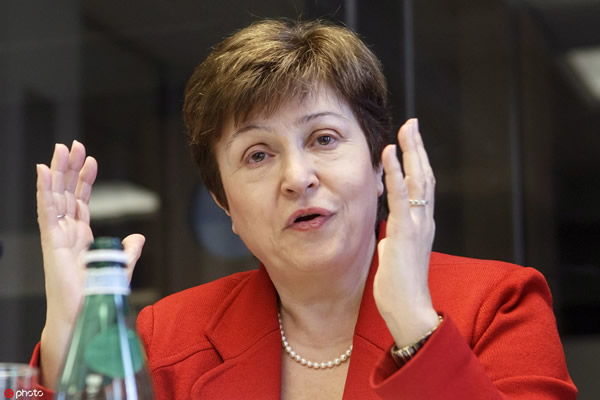
At an African Caucus Meeting, the Managing Director of the IMF, Kristalina Georgieva, said this year has been a difficult year for Africa, but there is hope going forward.
“We had very productive discussions on Africa’s economic prospects. This year has been a difficult year for Africa. The region is still emerging from the Covid-19 pandemic and African countries have been hit by high borrowing costs (“funding squeeze”) and a cost-of-living crisis. Several countries of the Group have experienced increased political instability and deteriorating security underscoring the need to address persistent fragility. Notwithstanding these challenges, recent data, and the outlook for 2024 provide hopeful signals that economic activity is gradually strengthening with stronger growth, falling inflation, and narrowing fiscal imbalance”.
Against this backdrop, the Group agreed that policy priorities to address these challenges should aim at solidifying the ongoing economic recovery, rebuilding buffers, and investing in the future to improve living standards.
In countries with elevated and rising inflation, it wants policy settings to be sufficiently tight to bring it down.
“The exchange rate, where appropriate, should be allowed to play its shock absorber role while mitigating second-round effects of depreciation. Fiscal policy should continue consolidating public finances and reducing debt sustainability risks while providing targeted social assistance to the most vulnerable. In resource-intensive countries, investing in education, managing better resource-based wealth, accelerating diversification will help improve living standards”, it added.
The Group also underscored the need to scale up concessional financing, including to support climate change adaptation and mitigation.
“Large financing needs from infrastructure and social protection gaps are being exacerbated by climate change. While the African continent had a minor contribution to the stocks of greenhouse gases in the atmosphere, it is already bearing and is deemed to bear the largest costs from climate change. At the same time, fiscal space remains constrained as buffers have been depleted during the crisis. Private sector participation will also be essential to fill the funding gaps”.
The Group also agreed to enhance domestic resource mobilization, adding, “In this respect, identifying the international best practices and leveraging specific country experiences is important while enhancing governance and accountability. Efforts to strengthen countries’ tax systems and to combating tax evasion and illicit financial flows should be accelerated”.
The IMF boss her outfit remains actively engaged with the region and continues to work towards strengthening its financing capacity to support countries to navigate challenging times and build a resilient and prosperous future.
Source: Joy Business
Related Posts