
How Allegations Against a Ghanaian Football Star Sparked Debate on Justice, Celebrity, Immigration and Global Sport
By Sowah Francis
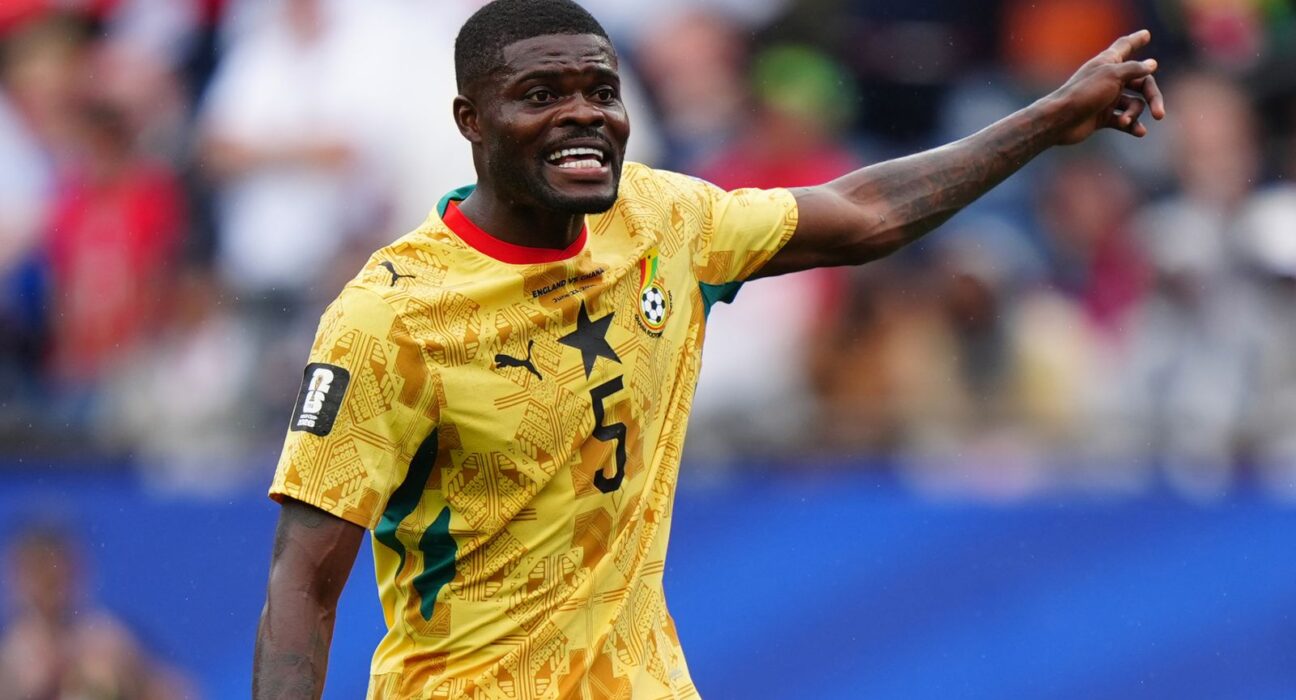
For more than a decade, Thomas Partey embodied the success story of modern African football.
Rising from Krobo Odumase to become a key figure for Ghana’s Black Stars, Atlético Madrid, and later Arsenal FC, Partey established himself as one of Africa’s most accomplished midfielders. His performances on some of football’s biggest stages made him a symbol of sporting excellence and national pride.
Today, however, the Ghanaian international finds himself at the centre of a legal case that has transcended football and generated wider discussions about justice, due process, celebrity status, and the responsibilities of sporting institutions.
What began as a criminal investigation in the United Kingdom has evolved into a case closely watched by football authorities, legal observers, media organisations, and supporters across multiple continents.
The Investigation
According to the Metropolitan Police Service, investigations involving Partey began in February 2022 following allegations of sexual offences reported to authorities in London.
Over the next three years, detectives conducted inquiries that included witness interviews, the review of electronic communications, and the examination of other forms of evidence. Throughout much of the investigation, British media organisations refrained from publicly identifying the player because no criminal charges had been authorised.
The case nevertheless attracted significant public attention as speculation circulated widely on social media and among football supporters.
Criminal Charges and Legal Proceedings
On 4 July 2025, the Crown Prosecution Service (CPS) announced that it had authorised criminal charges against Partey following a review of evidence submitted by investigators.
Prosecutors charged him with five counts of rape and one count of sexual assault relating to allegations made by three women concerning incidents alleged to have occurred between 2021 and 2022.
Partey has consistently denied all allegations. His legal representatives have maintained that he cooperated fully with investigators throughout the process and welcomed the opportunity to defend himself before the courts.
The charges transformed what had largely been a matter of speculation into one of the most closely followed legal cases involving a professional footballer in recent years.
Subsequent legal proceedings have seen the case progress through the British judicial system, with Partey entering not guilty pleas to all charges brought against him.
The Thomas Partey case acquired a distinctly diplomatic dimension during the 2026 FIFA World Cup cycle, as discussions emerged around his international travel and eligibility to enter certain jurisdictions while criminal proceedings remained ongoing in the United Kingdom.
Among the most significant developments was the controversy surrounding his attempted entry into Canada ahead of Ghana’s World Cup fixture in Toronto. The matter reportedly centred on immigration disclosure requirements and the treatment of foreign nationals facing unresolved criminal charges abroad. The issue quickly moved beyond football circles and generated wider debate among legal experts, diplomats, immigration analysts, and sports administrators.
For Ghana, the episode highlighted the delicate position governments often face when a nationally significant athlete becomes involved in legal proceedings overseas. While criminal matters remain the responsibility of the courts, the international mobility of elite athletes can raise broader questions about consular support, immigration policy, and the treatment of foreign nationals under domestic laws.
Observers noted that the controversy illustrated an increasingly important reality in global sport: professional athletes do not operate solely within the jurisdiction where they play. They travel across borders, represent national teams, hold commercial interests in multiple countries, and are subject to varying immigration and legal standards. As a result, legal cases involving high-profile sports figures can rapidly evolve into matters with diplomatic and international policy implications.
The debate surrounding Partey’s travel situation also underscored the broader tension between the principle of due process and the discretionary powers exercised by immigration authorities worldwide. Many countries retain the legal authority to assess admissibility independently of whether a criminal conviction has been secured, particularly in cases involving serious allegations.
For diplomats and policymakers, the case has become an example of how modern sport, international law, immigration regulation, and national reputation increasingly intersect in a highly interconnected world. What began as a criminal investigation in London has therefore developed into a broader conversation about the global governance of sport and the cross-border consequences of unresolved legal proceedings involving internationally recognised athletes.
A Test Case for Sporting Justice
Whatever the eventual outcome, the Thomas Partey case has already become a significant reference point in discussions about sporting justice in the twenty-first century.
It highlights the tensions that can emerge between legal due process and public expectations, between individual rights and institutional responsibility, and between national pride and judicial accountability.
As the case moves through the courts, its ultimate significance may extend beyond any verdict delivered. It has become a lens through which wider questions about law, power, celebrity, and the governance of global sport are being examined.The final determination will rest with the courts. Yet the debates it has generated are likely to continue long after the legal proceedings conclude.
Related Posts