
The Kumasi Centre for Collaborative Research in Tropical Medicine (KCCR) and the Charité – Universitätsmedizin Berlin have deepened Ghana–Germany scientific ties through a practical case study aimed at developing a vaccine candidate, marking a significant step in Ghana’s ambition to become a hub for domestically produced vaccines in Africa.
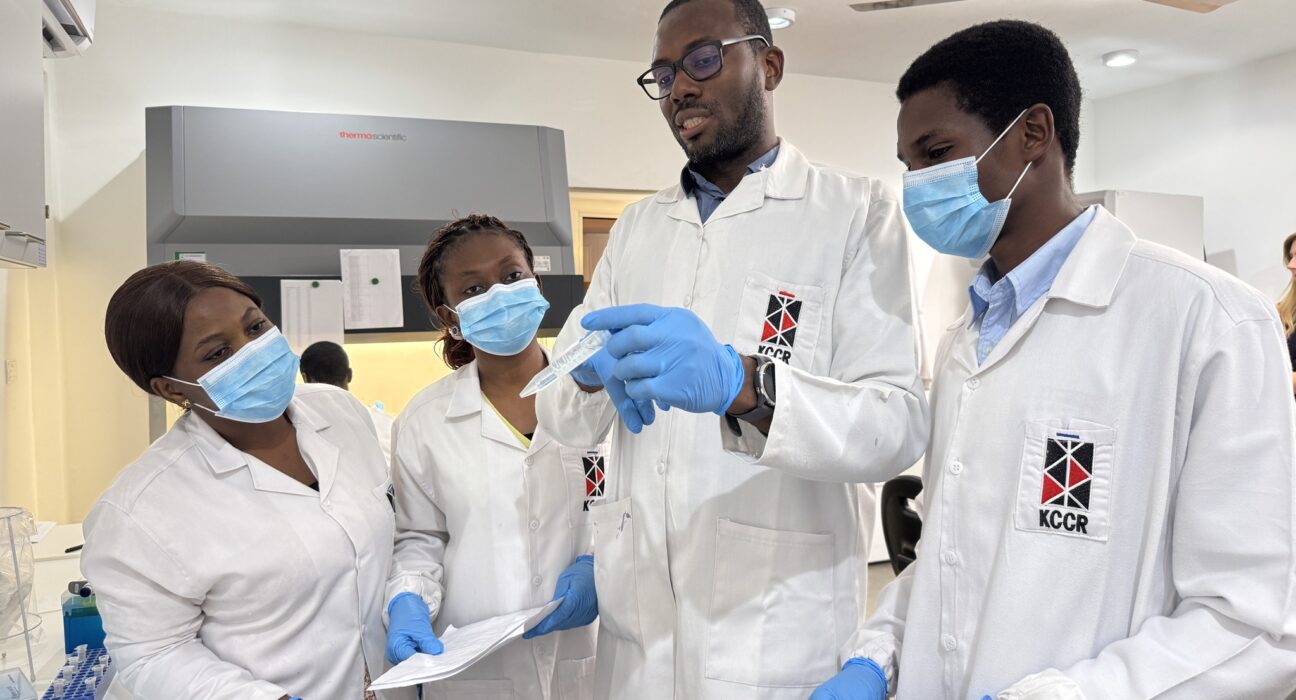
Under the collaboration, Ghanaian students from KCCR joined their German counterparts for a three-month overseas laboratory attachment in Berlin. Working in state-of-the-art facilities at Charité’s Institute of Virology, they were exposed to modern laboratory techniques, European quality assurance systems, and stringent biosafety standards.
The programme also provided specialised certification in animal experimental models, a critical component of pre-clinical vaccine development. Beyond technical skills transfer, the exchange strengthened research networks and fostered peer-to-peer scientific collaboration, equipping Ghanaian researchers with hands-on expertise rarely accessible outside leading global biomedical institutions.
The initiative was funded by the German Federal Ministry for Economic Cooperation and Development (BMZ) and the European Union in Ghana under the Team Europe approach, Manufacturing and Access to Vaccines, Medicines and Health Technologies in Africa (MAV+), and the Global Gateway framework.
It forms part of the PharmaVax Ghana programme implemented by the Deutsche Gesellschaft für Internationale Zusammenarbeit GmbH. With a total envelope of €33 million — €23.1 million from the EU and €9.9 million from BMZ, the PharmaVax programme runs from July 2024 to March 2028 and focuses on strengthening Ghana’s pharmaceutical sector, particularly vaccine production capacity.
The collaboration reflects Germany’s sustained commitment to supporting Ghana’s long-term vaccine roadmap. By investing in human capital development, research infrastructure, and regulatory alignment, the partnership goes beyond symbolic cooperation to deliver structural capacity. It is a forward-looking intervention designed to bridge Ghana’s projected 10-year pathway toward becoming a vaccine manufacturing hub on the continent.
The urgency of this agenda was sharpened by the bitter lessons of the COVID-19 pandemic, when Africa was the last continent to receive vaccines, exposing vulnerabilities in global supply chains and threatening fragile health systems.
The pandemic catalysed a renewed continental focus on health sovereignty. President John Dramani Mahama has repeatedly framed vaccine self-reliance as central to Ghana’s broader economic and governance reset agenda, arguing that domestic pharmaceutical capacity is not merely a health issue but a strategic development imperative.
At the Global Health Summit co-hosted by EU and the Gates Foundation, Mahama disclosed that Ghana has spent approximately $67 million on vaccines in recent years through its partnership with Gavi, the Vaccine Alliance, and paid an additional $20 million this year as part of its co-financing obligations, resources made available following the uncapping of the GETFund. These figures underscore both Ghana’s financial commitment to immunisation and the economic logic of investing in local production to reduce long-term import dependence.
Diplomatically, the KCCR–Charité collaboration signals a maturation of Ghana–Germany relations from traditional development assistance to strategic co-production of knowledge and technology. It aligns with Germany’s broader Africa strategy, which prioritises industrial value chains and resilient health systems. For Ghana, such partnerships strengthen its credibility as a stable investment destination for pharmaceutical manufacturing while positioning it as a regional leader in biomedical innovation within West Africa.
At the core of Ghana’s vaccine agenda is a deliberate shift from procurement to production. The country’s 10-year roadmap envisions building end-to-end capacity, from research and antigen development to fill-and-finish operations and eventually full manufacturing.
This requires regulatory strengthening, skilled workforce expansion, and sustained financing. Programmes like PharmaVax Ghana therefore serve as foundational pillars, ensuring that the ambition of becoming Africa’s vaccine hub is anchored in technical competence, institutional resilience, and international scientific collaboration rather than aspiration alone.
Related Posts