Ghana has formally petitioned the African Union (AU) to place the recurring xenophobic attacks against African nationals in South Africa on the agenda of the Eighth Mid-Year Coordination Meeting of the continental body.
The Coordinating Meeting is scheduled for June 24 to 27, 2026, in El Alamein, Egypt.
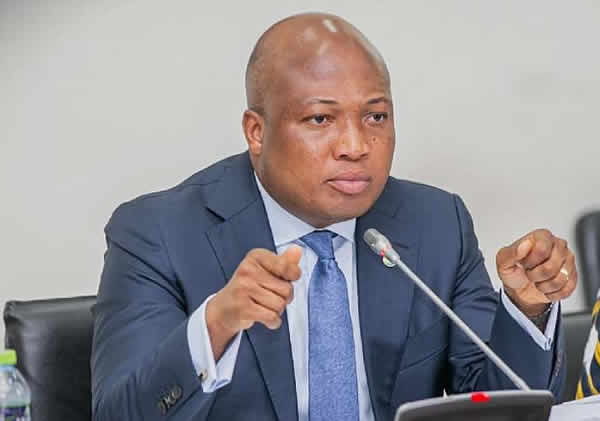
In a letter dated May 6, 2026, and signed by Ghana’s Minister of Foreign Affairs, Mr Samuel Okudzeto Ablakwa, Ghana described the attacks as a matter of “urgent continental interest” requiring collective African action.
The letter, addressed to the Chairperson of the African Union Commission in Addis Ababa, expressed deep concern over the persistent xenophobic incidents in South Africa.
These attacks, Ghana said, had resulted in the loss of lives, destruction of investments, and threats to the safety and wellbeing of African nationals residing there.
“The Government of Ghana remains deeply concerned by the recurrence of xenophobic incidents in the Republic of South Africa,” the letter stated.
The Government said the continued attacks against fellow Africans were troubling, particularly considering the solidarity African states demonstrated during South Africa’s anti-apartheid struggle and democratic transition.
While acknowledging South Africa’s sovereignty and responsibility to protect all persons within its territory, Ghana argued that the targeting of nationals from African countries undermined the principles of African solidarity, brotherhood, and continental unity.
According to the letter, Ghana believes the attacks violate the African Charter on Human and Peoples’ Rights, weaken Pan-African integration efforts, and run contrary to the objectives of the African Continental Free Trade Area (AfCFTA), which seeks to promote free movement and economic integration across the continent.
Ghana proposed a number of measures for consideration by the AU during its deliberations.
These include the formal inscription of the matter on the agenda of the upcoming AU meeting, strengthening AU monitoring mechanisms to ensure member states uphold their obligations under continental human rights instruments, and establishing a fact-finding mission to investigate the underlying causes of xenophobic violence in South Africa.
The Government also called for dialogue and reconciliation initiatives aimed at promoting tolerance, inclusion, integration, and renewed commitment to continental unity among African peoples.
The letter stressed that Africa’s future depended on shared dignity, prosperity, and mutual respect despite the continent’s painful history of slavery, colonialism, and apartheid.
Invoking the ideals of Ghana’s first President, Kwame Nkrumah, the Foreign Minister noted that the emancipation and full potential of Africa could only be realised through unity and collective resolve.
Xenophobic attacks in South Africa have periodically sparked outrage across the continent over the past two decades, with migrants from several African countries, including Nigeria, Zimbabwe, Mozambique, Somalia, Ethiopia, and Ghana, often targeted.
In 2019, widespread attacks on foreign nationals and businesses in parts of Johannesburg and Pretoria triggered diplomatic tensions between South Africa and several African countries.
The incidents have frequently raised concerns about migration, unemployment, inequality, and social tensions in Africa’s most industrialised economy.
The African Union has consistently condemned xenophobia and violence against migrants, describing such acts as contrary to the vision of African unity and integration.
Source: GNA
Related Posts