
The Embassy of Spain in Ghana has reaffirmed its commitment to Ghana’s fight against illegal mining by supporting a national dialogue on the safety and security implications of the practice.
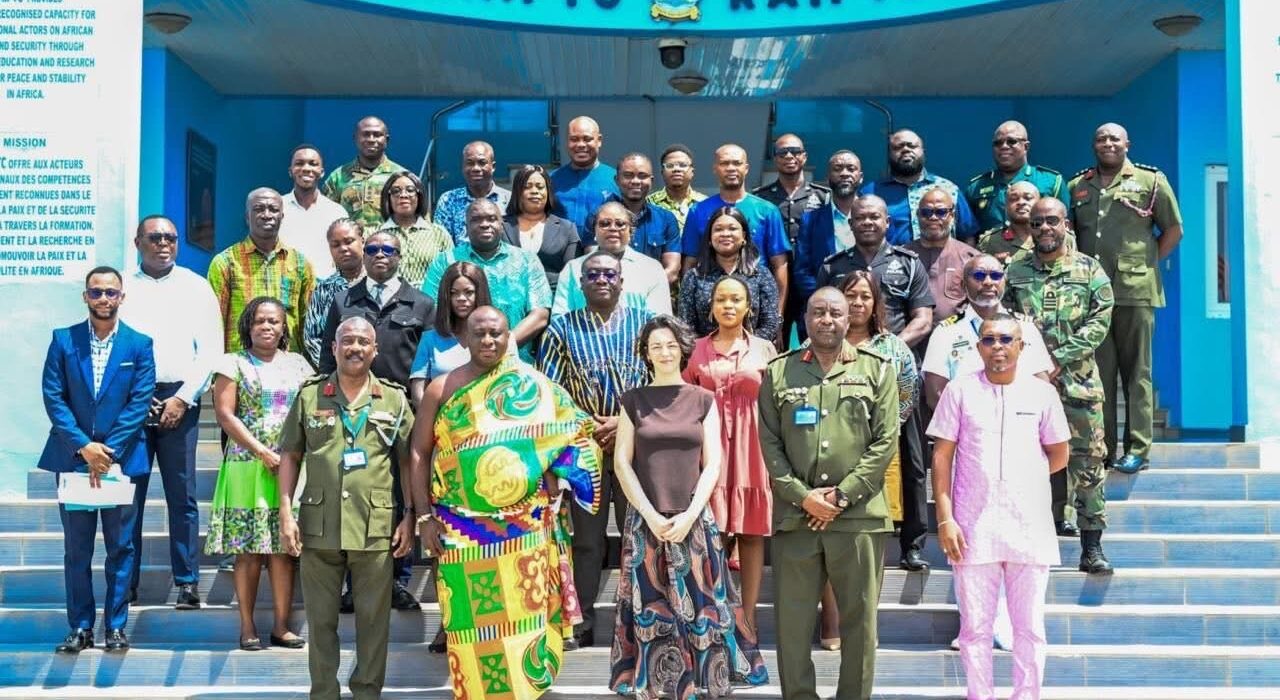
The support was extended to a National Dialogue Workshop on the Safety and Security Ecosystem of Illegal Mining, organised by the Kofi Annan International Peacekeeping Training Centre in Accra last week.
The initiative follows a series of regional discussions held in Kumasi and Takoradi, bringing together key stakeholders to examine the drivers and consequences of illegal mining, widely known as galamsey, across Ghana.
According to the Embassy of Spain, the workshops created an inclusive platform for dialogue, encouraging community-driven approaches to addressing security concerns linked to illegal mining.
The Embassy further underscored the broader significance of its involvement, noting that tackling illegal mining contributes to regional stability in the Sahel and the Gulf of Guinea.
Spain and Ghana, the Embassy noted, remain committed to strengthening cooperation in promoting peace, institutional resilience, and sustainable development.
Meanwhile, Ghanaian authorities are introducing new interventions aimed at providing sustainable alternatives to illegal mining.
Speaking at a recent Editors’ Forum held as part of the quarterly press briefing of the National Anti-Illegal Mining Operations Secretariat (NAIMOS), the Director of Operations, Dominic Boah, outlined a new initiative focused on skills development for small-scale miners.
He explained that the programme is designed to transition illegal miners into regulated and sustainable mining practices.
“A responsible cooperative and small-scale skills development programme is the new initiative to create sustainable alternatives for illegal miners,” he said.
He further elaborated on ongoing efforts to register and support miners through structured guidance and collaboration with local authorities.
“Currently, we are in the field registering them and they are going to be trained and guided. The district assemblies will work with them to allocate designated mining areas so that they will have no room to get to the water ways and forest reserves,” he added
Story by
Hussein Habibata Maltiti
Related Posts