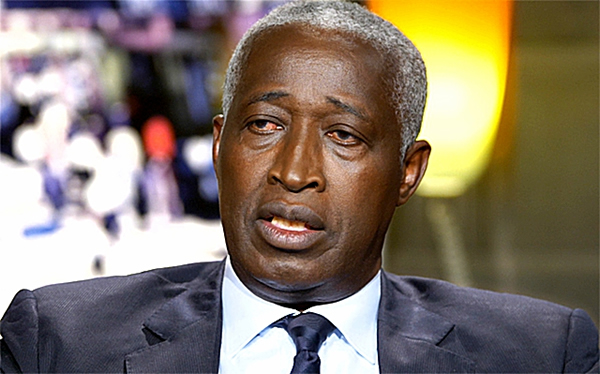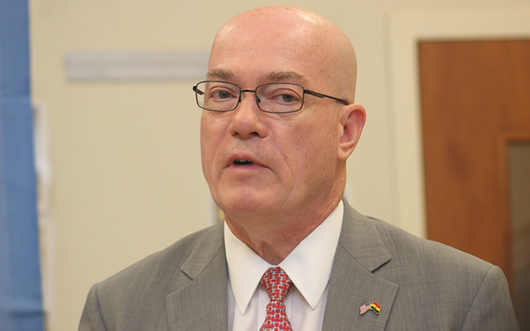


President John Dramani Mahama has reaffirmed Ghana’s commitment to eliminating violence against women and girls by assuring that the ninth Parliament will ratify the African Union Convention on Ending Violence Against Women and Girls (AU‑CEVAWG).
He delivered the pledge during a High-Level Breakfast Meeting on Financing and Reaffirming Africa’s Gender Commitments in Addis Ababa, convened by the Women, Gender and Youth Directorate (WGYD) of the African Union Commission in collaboration with the Republic of Ghana, the AU Champion for Gender and Development Issues at the Ethiopian Skylight Hotel.
The meeting, attended by heads of state, diplomats, and continental officials, provided a platform for President Mahama to express concern over the slow pace at which many African Union member states are moving to adopt the historic framework.
President Mahama described violence against women and girls as not only a violation of human rights but also a significant economic burden, costing African economies billions of dollars annually through healthcare costs, lost productivity, and justice expenditures.
He urged member states to accelerate ratification efforts before the end of 2026, emphasizing that the convention offers a legal roadmap for ending all forms of gender‑based violence and strengthening protections for women and girls across the continent
“In February 2025, this Assembly adopted the African Union Convention on Ending Violence Against Women and Girls. A historic step, and yet progress has been slow. Ghana has signed the convention and has initiated steps to ratify; this session of our Parliament is going to ratify the convention. And I urge all member states to sign and ratify this convention before the end of 2026.
“Violence against women and girls is not only a moral outrage. It is an economic catastrophe, costing Africa billions annually in health care, lost productivity, and justice expenditures while devastating families and communities. Ratification of this convention is a clear declaration that violence against women has no place in our societies.” he said
The AU‑CEVAWG, adopted during the AU’s 38th Ordinary Session in February 2025, is the continent’s first legally binding instrument dedicated to preventing and eliminating violence against women and girls in all its forms.
It requires member states to enact and enforce laws that combat domestic violence, sexual assault, child marriage, female genital mutilation, harmful traditional practices, trafficking in persons, and digital‑era abuses such as online harassment. The treaty also obliges states to establish coordinated services for survivors, including health care, psychosocial support, legal aid, and protection orders.
Current data underscores the urgency of the issue. According to recent regional estimates, a substantial proportion of women and girls in Africa experience physical and sexual violence in their lifetime, with rates in some areas reaching more than one in three adult women reporting intimate partner violence.
Child marriage remains prevalent in parts of the continent, and gender‑based violence continues to increase in contexts affected by conflict and displacement, while digital spaces have emerged as new sites of harassment and abuse.
Despite the significance of AU‑CEVAWG, implementation has been hampered by several challenges. Many member states have yet to ratify or domesticate the convention into national law, resulting in weak legal protections and limited enforceability.
Resource constraints impede the establishment of shelters, helplines, and comprehensive survivor services, while inadequate training for police, judiciary, and health personnel reduces the effectiveness of law enforcement and victim support. Social norms and patriarchal attitudes continue to normalise gender‑based violence, discouraging reporting and accountability.
The African Commission on Human and Peoples’ Rights and civil society advocates have repeatedly highlighted gaps in monitoring, data collection, and enforcement. Comprehensive gender‑disaggregated data, essential for tracking progress and targeting interventions, remains limited in many countries. Furthermore, economic disempowerment of women exacerbates vulnerability, limiting access to justice and recovery for survivors.
Ghana’s parliamentary pledge represents an important step toward bridging these implementation gaps. Legal scholars and women’s rights organisations say that ratification is crucial for aligning national law with continental commitments, but they stress that this must be complemented by strong enforcement mechanisms, systemic resource allocation, and community‑level prevention efforts.
Related Posts