
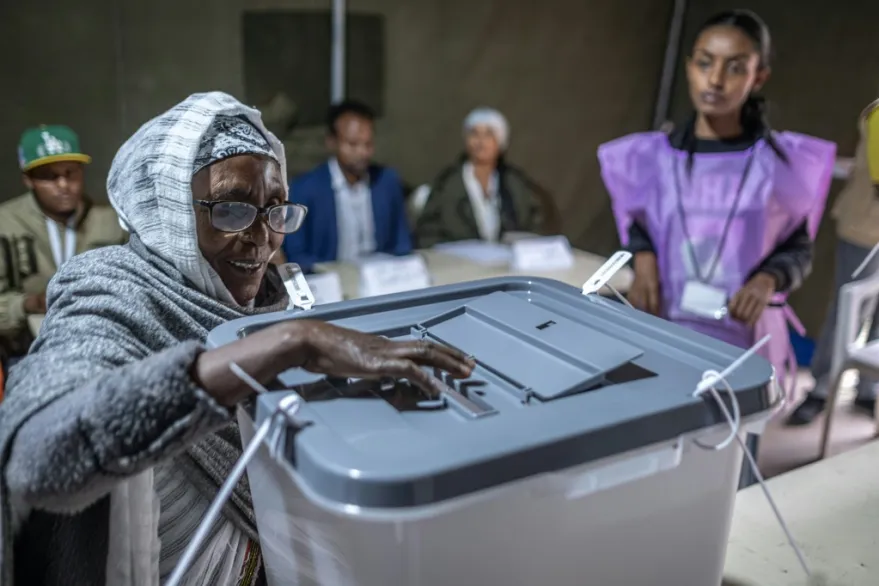
Ethiopia has successfully conducted its seventh general election, marking an important milestone in the nation’s democratic journey. Held on June 1, 2026, the election witnessed broad public participation, with millions of citizens exercising their constitutional right to vote and demonstrating a strong commitment to democratic governance.
The election was organized by the National Election Board of Ethiopia (NEBE), which undertook extensive preparations, including voter registration, deployment of election personnel and materials, and coordination with political parties and civil society organizations. According to official reports, voter registration reached unprecedented levels ahead of the polls.
The scale of the election underscores its significance. More than 54 million citizens were registered to vote, and voter turnout was reportedly overwhelming . A total of 10,934 candidates representing 42 political parties, alongside 80 independent candidates, contested seats across the country.
These figures highlight one of the largest and most inclusive electoral processes in the region’s recent history. The AU and IGAD observed the election process and are expected to provide first consolidated assessments on the elections that was very calm and exemplary.
The remarkable voter turnout and the smooth conduct of the election reflect the growing engagement of Ethiopian citizens in the democratic process. Across many parts of the country, voters participated peacefully and enthusiastically, contributing to an orderly electoral environment.
Political leaders, election officials, and observers emphasized the importance of civic responsibility, peaceful participation, and respect for democratic institutions throughout the voting process. Their collective efforts helped reinforce public confidence in the electoral system and encouraged citizens to shape the future of their nation actively.
The election represents Ethiopia’s continued efforts to strengthen democratic governance, expand political participation, and build trust in public institutions. Stakeholders have called upon all political actors to respect established legal procedures, uphold peace, and support national unity as the electoral process moves into the vote-counting and results-verification stages.
While challenges remain in certain areas, the successful conduct of voting across much of the country demonstrates the determination of Ethiopians to pursue their aspirations through democratic means. The election serves as an important opportunity to advance national dialogue, promote inclusive development, and reinforce the principles of constitutional governance.
As election authorities continue to verify and announce results, citizens and political leaders alike are encouraged to maintain a spirit of peace, patience, and respect for the rule of law. Beyond the competition for political office, the election stands as a testament to the resilience of Ethiopia’s democratic aspirations and the shared commitment of its people to stability, progress, and inclusive governance.
The successful completion of Ethiopia’s seventh general election marks a notable achievement in the country’s political development and signals a continued commitment to strengthening democratic institutions for future generations.
Related Posts